PET body denting
Thin-wall plastic bottles collapse when clamped under filler nozzles. FPM implements pneumatic neck-clamping support.
 Turnkey Tomato Paste & Ketchup Filling Lines
Container & Closure Adaptation
PET/PP Squeeze Bottle.
Format Adaptation Details
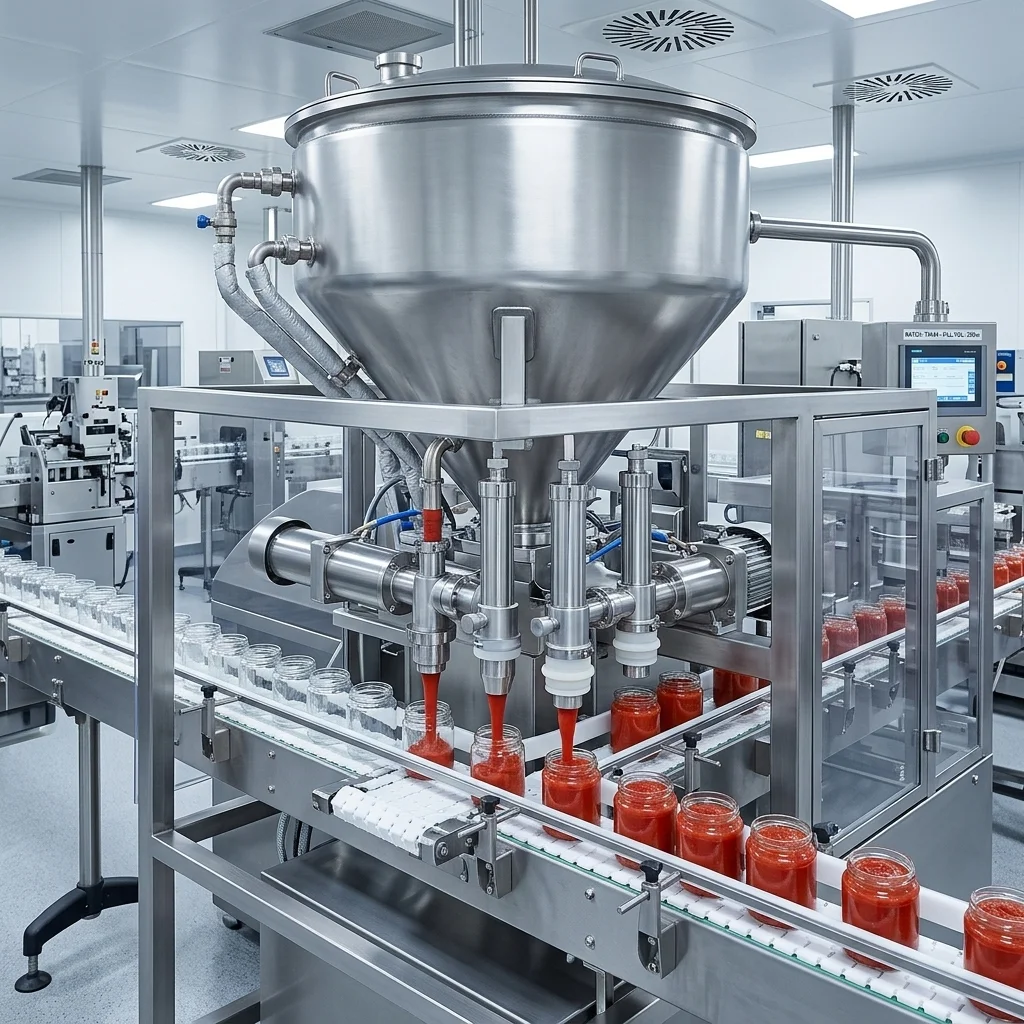
Format Adaptation Details
PP or PET squeeze bottles with active pneumatic suck-back shutoff nozzles to prevent shoulder contamination.
PET Squeeze Bottle
Neck support clamps & electromagnetic induction sealer
Wall thickness flexibility & cap neck outer diameter
Ketchup, tomato-concentrate sauce, salad dressing, honey spreads.
Requires active bottle neck clamp. Light-weight PET bottles deform easily under fill pressure; diving nozzles must descend without making direct neck contact.
Requires rotary chuck screw capping. Electromagnetic induction sealing must be synchronized to hermetically fuse the inner aluminum foil liner.
Requires dual-sided linear labeler. Since empty/filled squeeze bottles are elastic, side press rollers must apply uniform label pressure.
120 pcs of squeeze bottles, 200 pcs of plastic caps with foil liners, and 10L of ketchup/warm tomato concentrate for velocity flow tests.
Packaging Line Risks
Thin-wall plastic bottles collapse when clamped under filler nozzles. FPM implements pneumatic neck-clamping support.
Unbalanced torque causes uneven induction heat distribution. FPM integrates high-frequency synchronous sealing loops.
Squeeze bottle elasticity rejects flat label rollers. FPM customizes spring-loaded foam wipe belts.
Engineering Response
Designing custom aluminum collars supporting PET bottle neck rings.
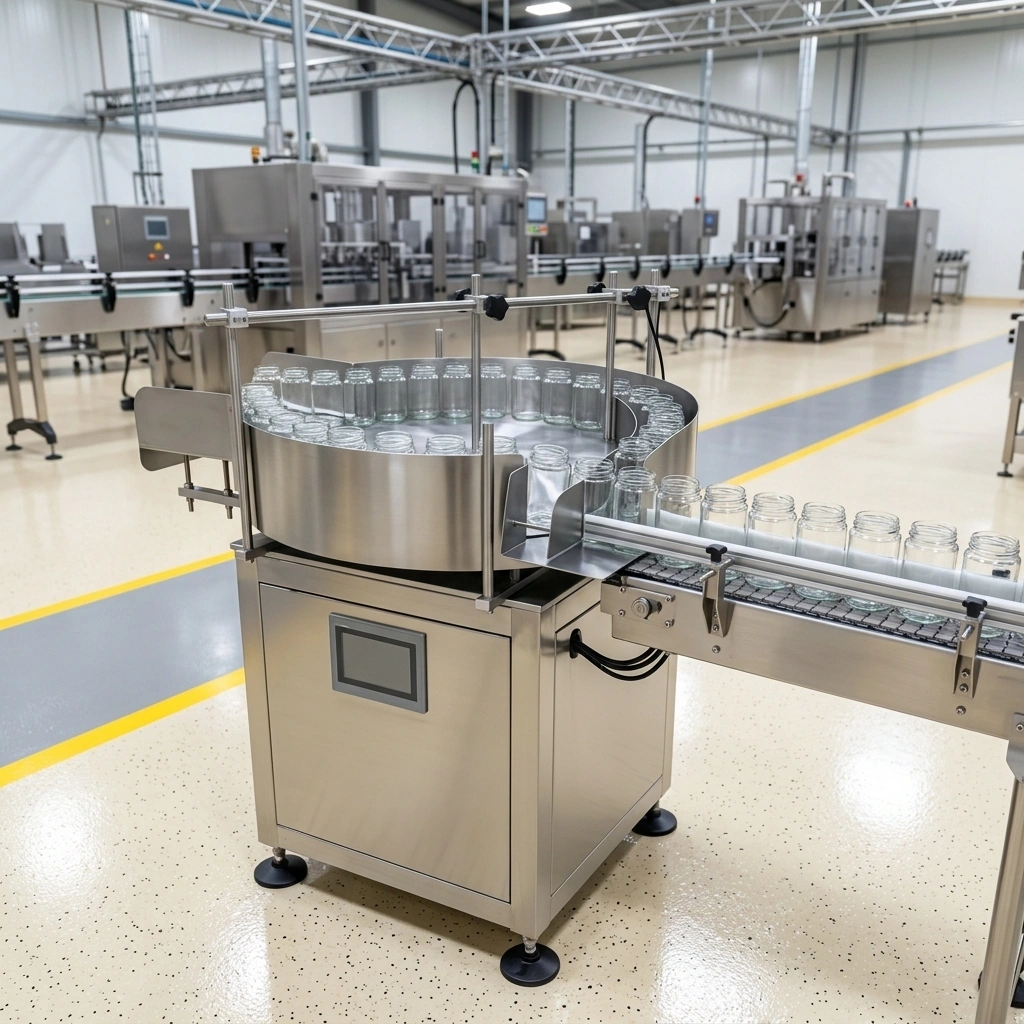
Optimizing heat cycles with real product fill to ensure 100% barrier.
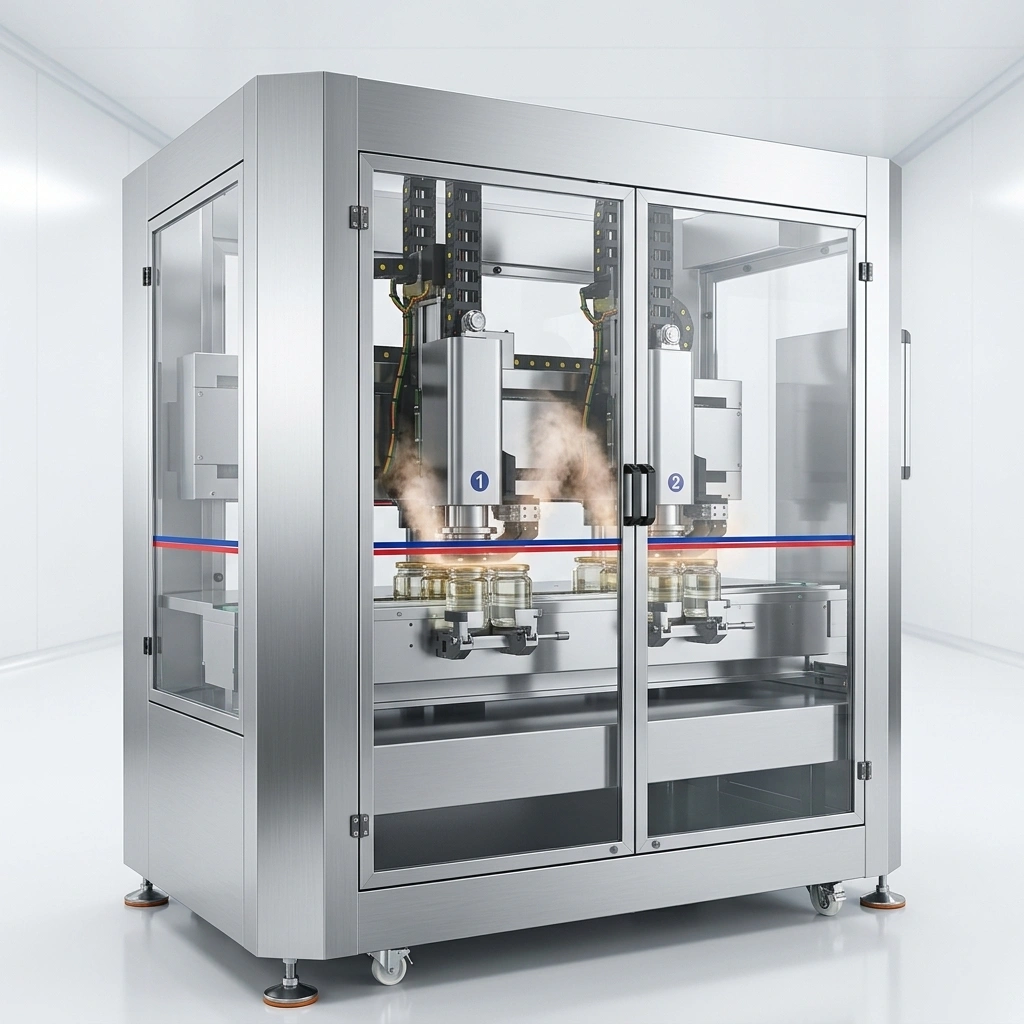
Configuring dual active foam belts to sweep film labels without air pocket.
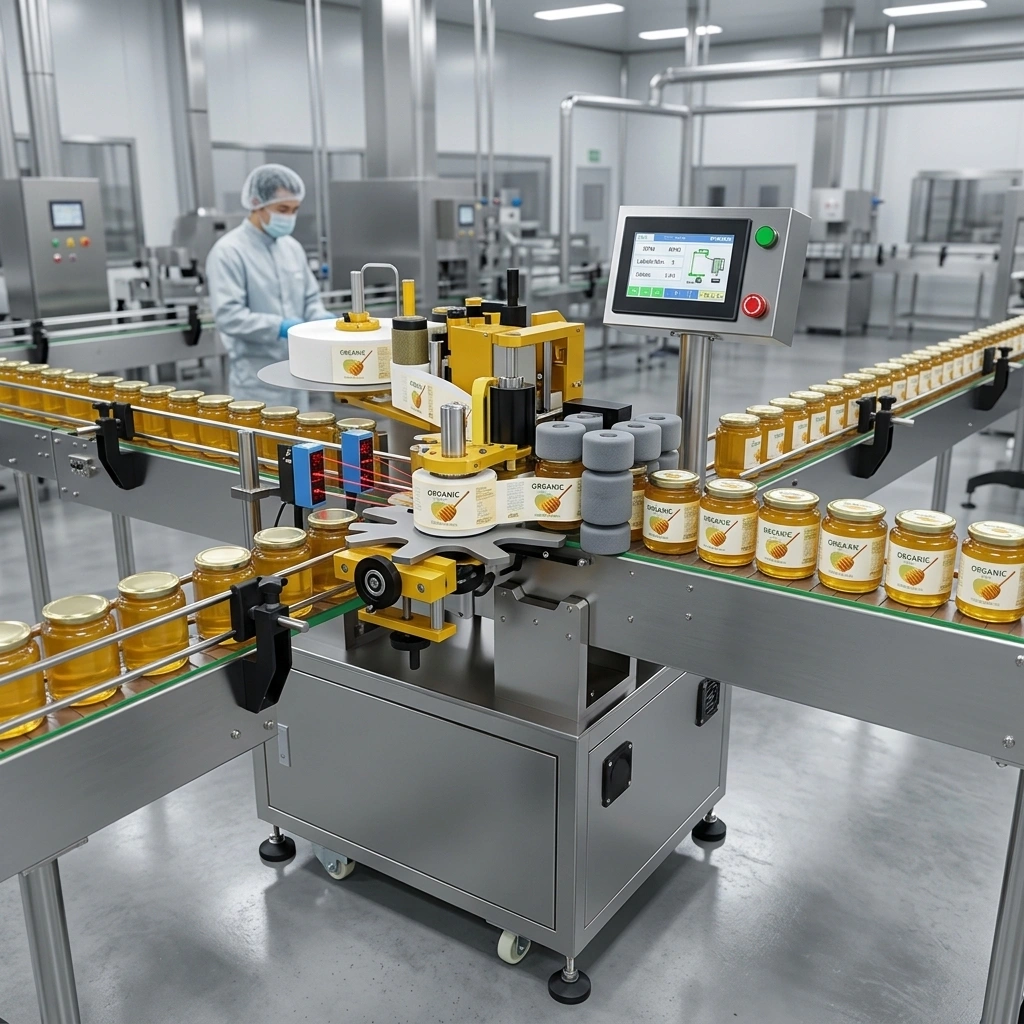
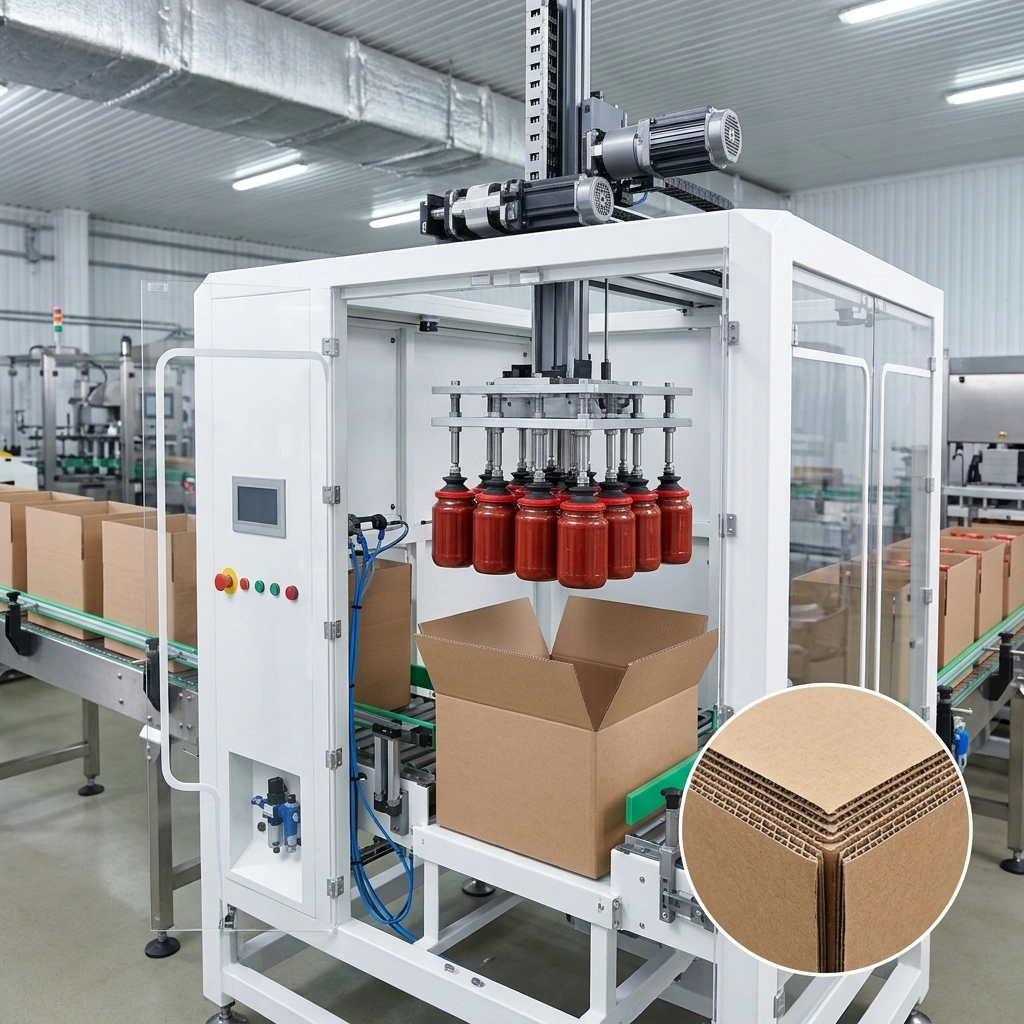
Testing side-grip pick-and-place robots to handle squeeze bottles safely.
Packaging Verification Gallery
Send your container drawings, capping samples, and target output. FPM engineers will review your trial requests and design custom adaptation paths.
Submit Packaging Specifications