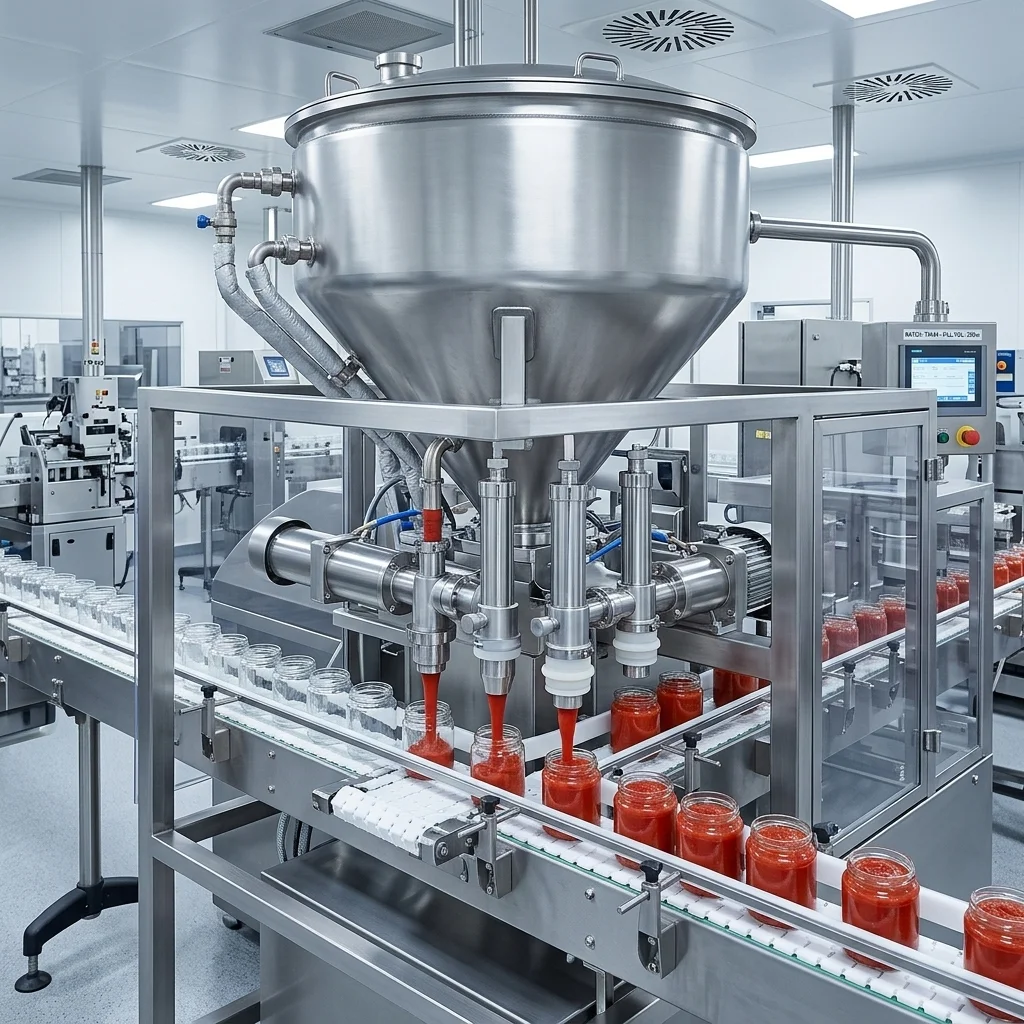
Product damage under shear
Dense sauces and fruit pieces should move through wide, smooth product paths with controlled piston strokes.
 Turnkey Tomato Paste & Ketchup Filling Lines
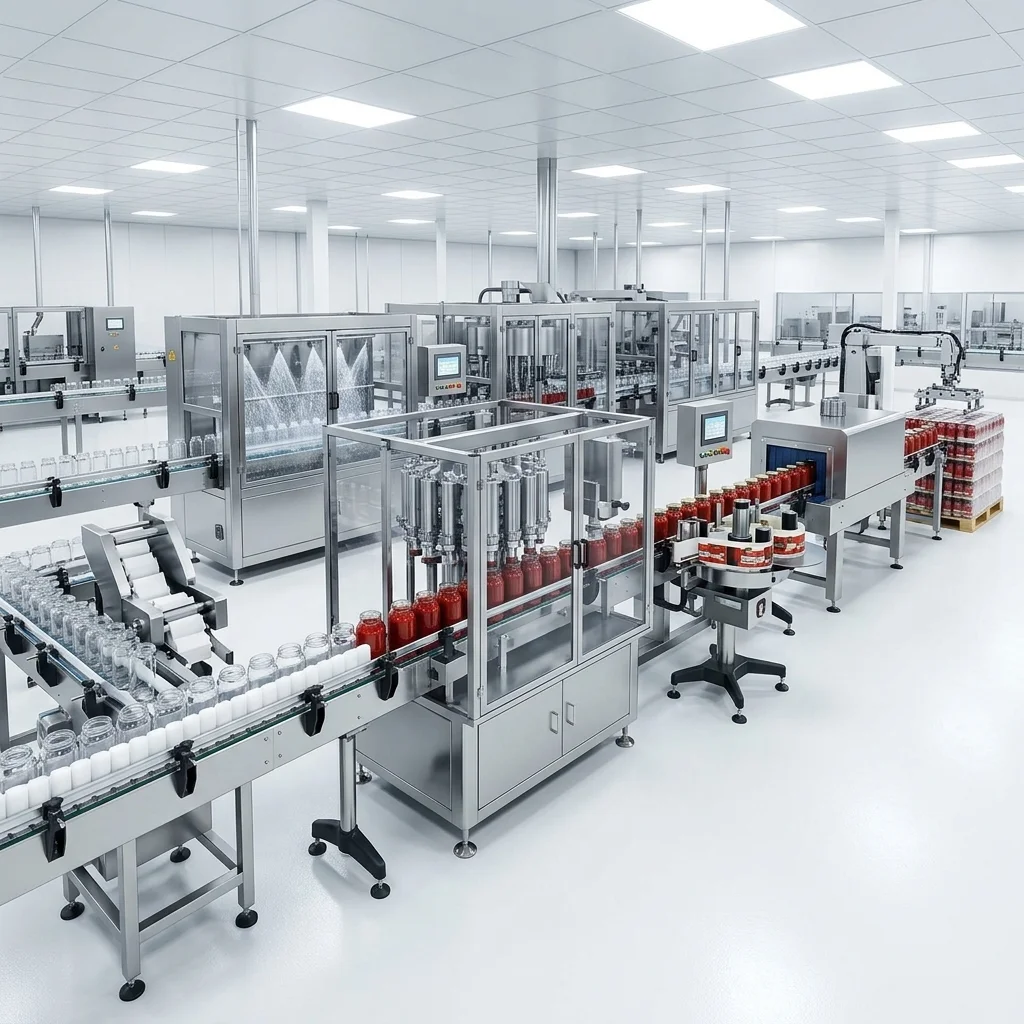
Turnkey line route
High-viscosity sauce and paste line for glass jar packaging.
Built around hot-fill behavior, low-shear dosing, jar handling, twist-off capping and finished product shelf appearance.
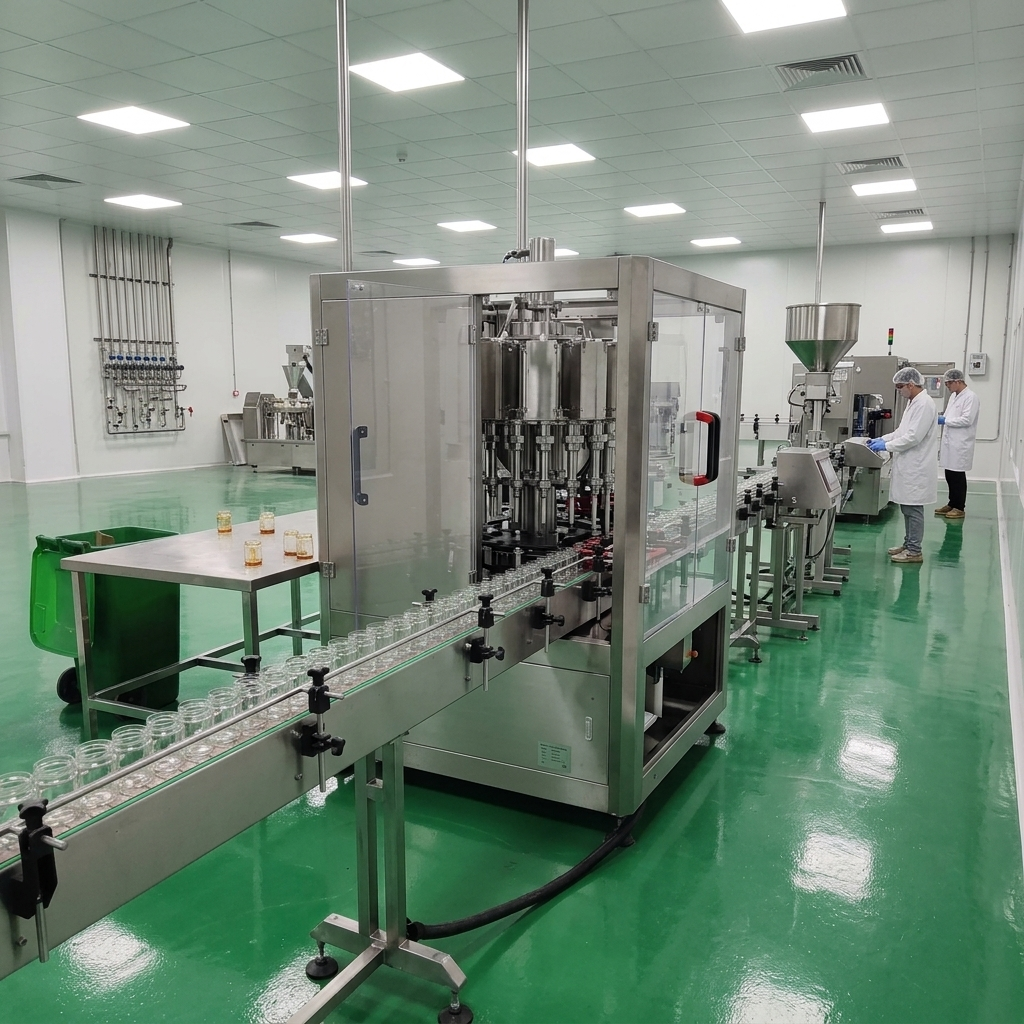
Line fit overview
Tomato Ketchup (Cold-Fill), Tomato Paste, Ketchup, Particulate Tomato Sauce, Warm Tomato Concentrate, Heavy Tomato Paste, Mustard, Chili Sauce
Euro-jars, hexagonal jars, TO-66 / TO-82 caps
Thick, sticky, pulp-filled or hot-fill products
Nozzle cut-off, vacuum capping and jar positioning
Production risks
Dense sauces and fruit pieces should move through wide, smooth product paths with controlled piston strokes.
Residue at the rim can affect twist-off sealing, so filling height, nozzle lift and suck-back need to be planned together.
Pre-heating, steam injection and cooling route should be reviewed with the real jar, cap and product temperature.
Integrated modules
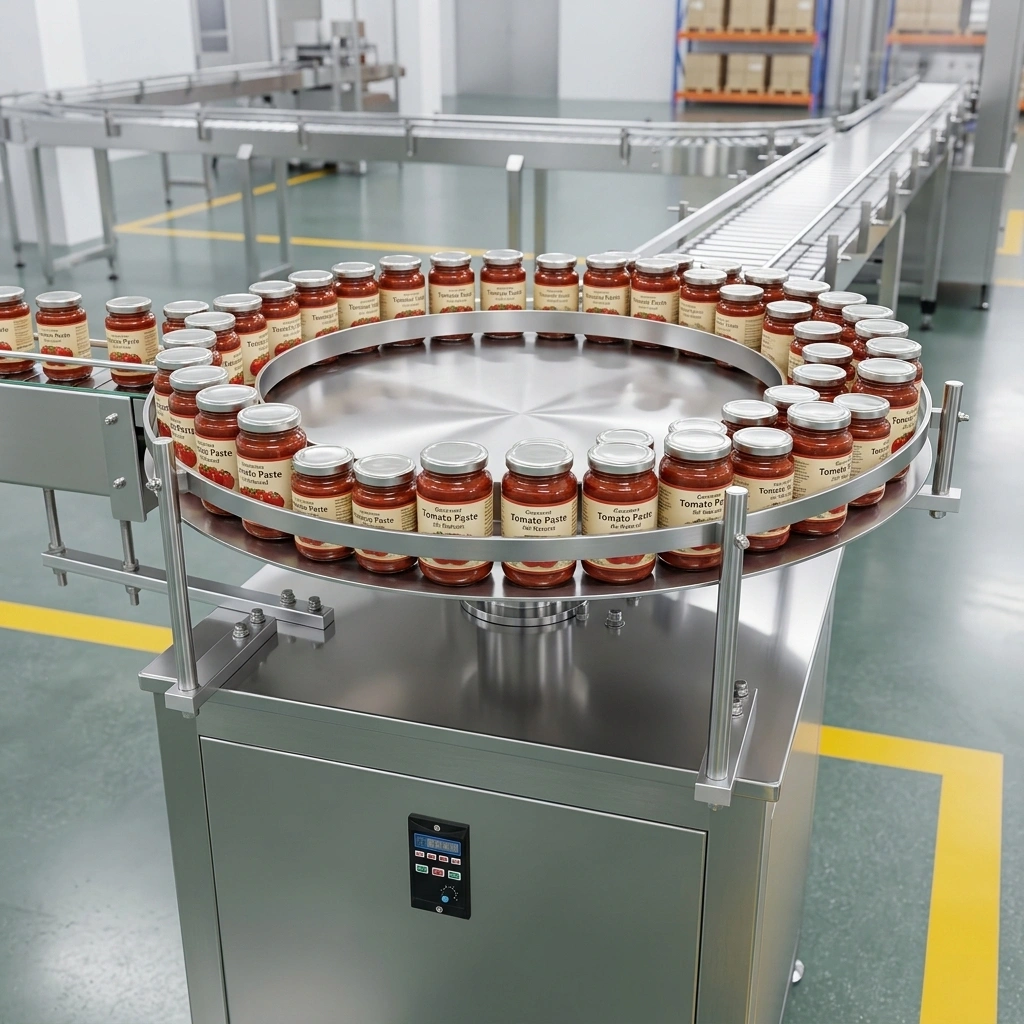
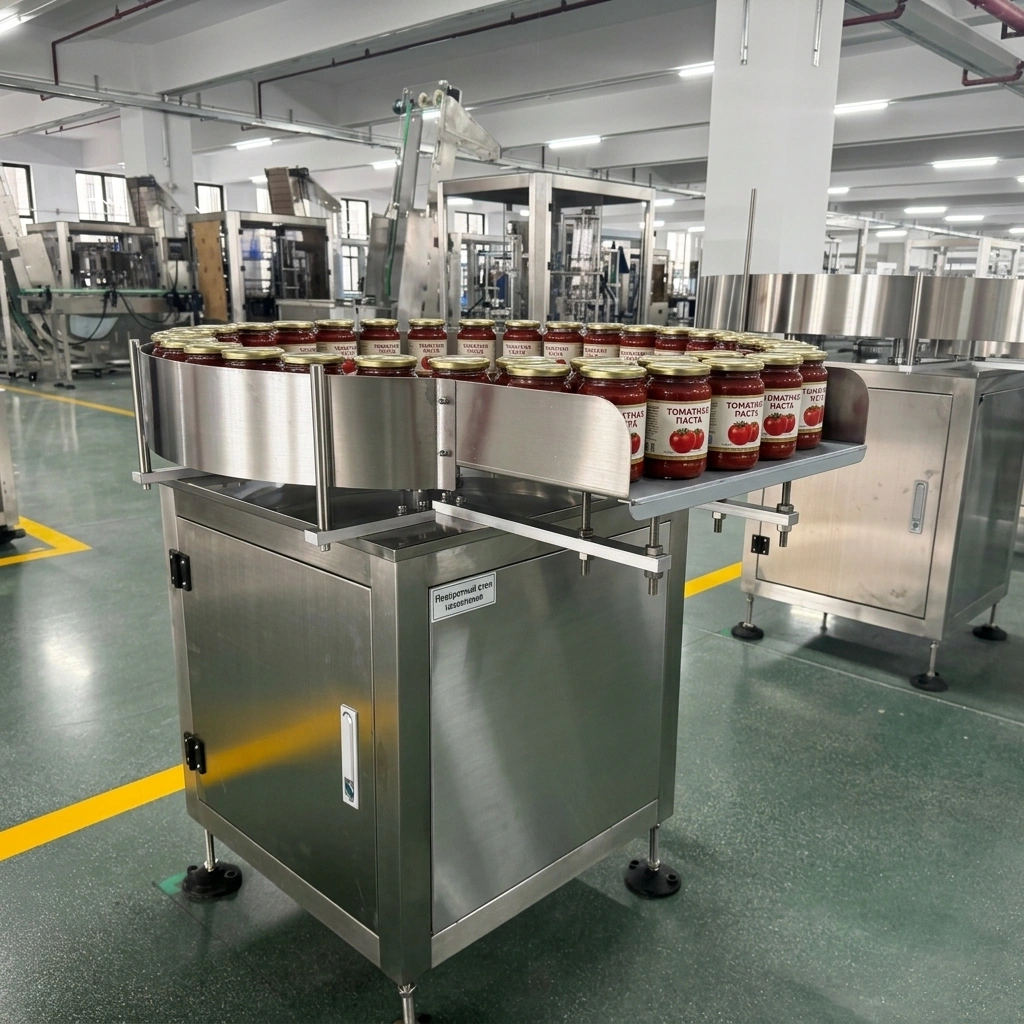
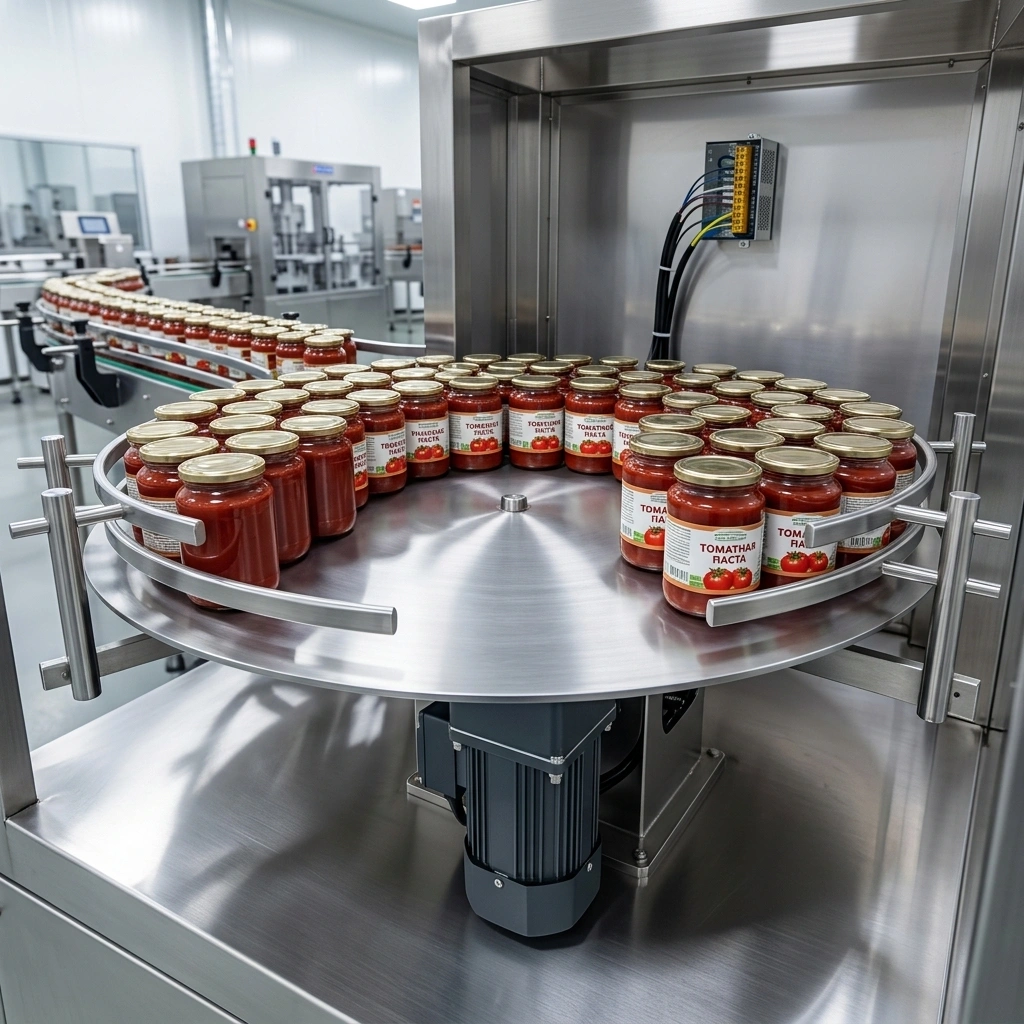
Rotary tables and rinsing modules prepare empty glass jars before the filling block.
Rotary accumulation unscrambler table feeding glass jars
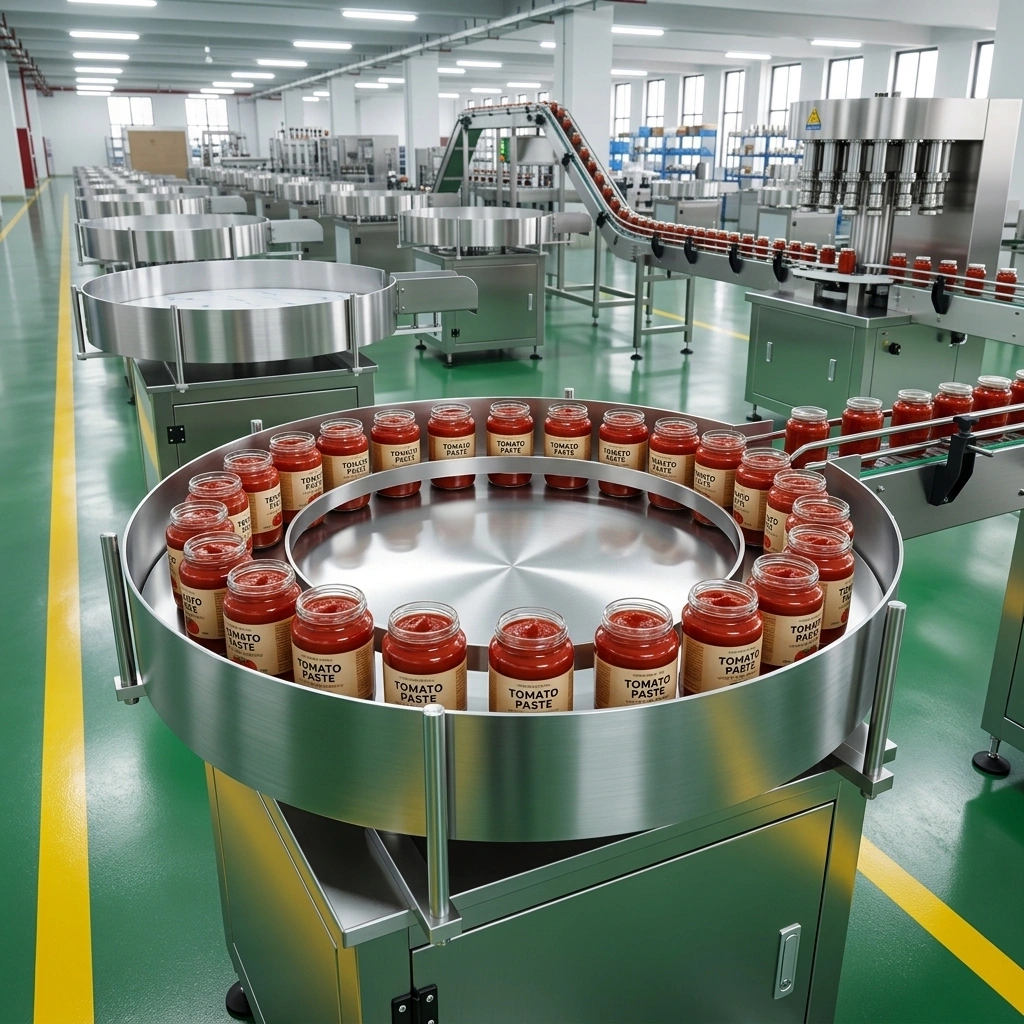
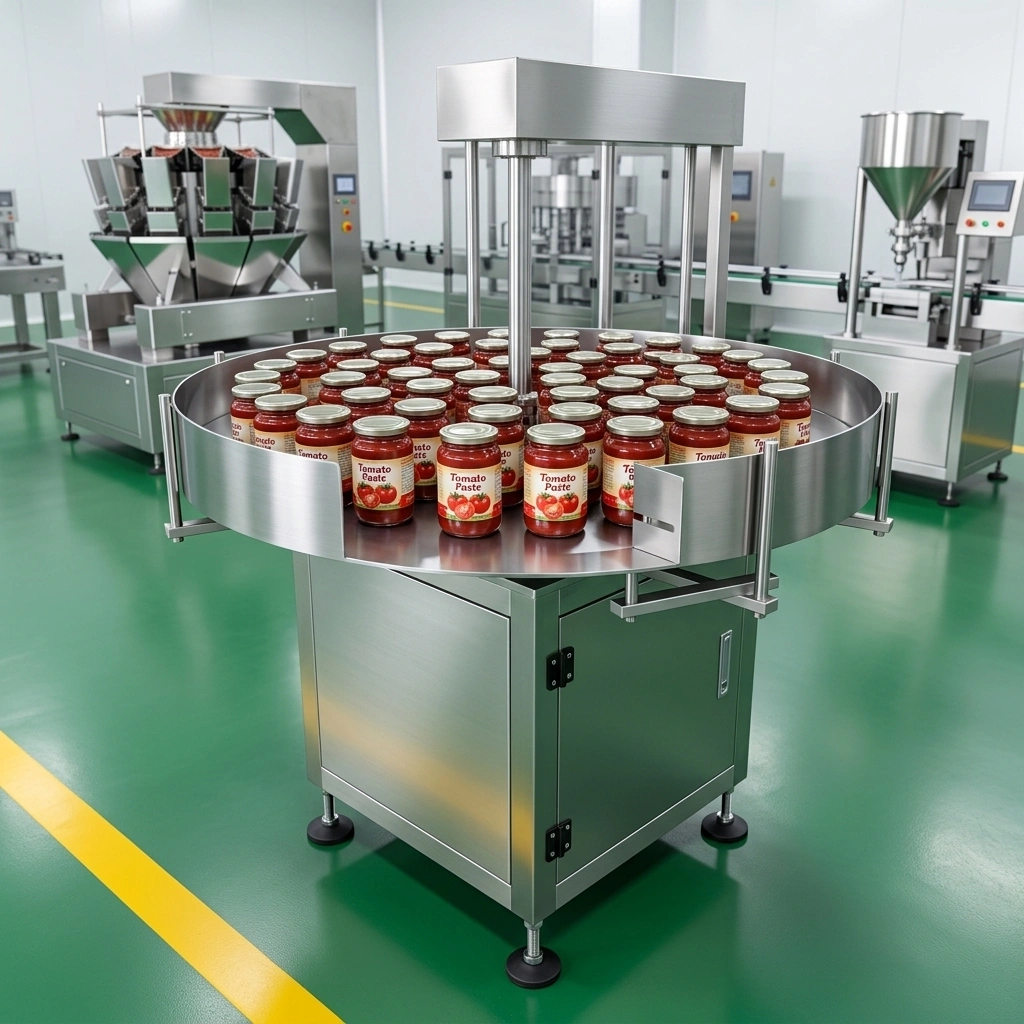
Servo piston filling is selected according to viscosity, fruit chunks and target fill size.
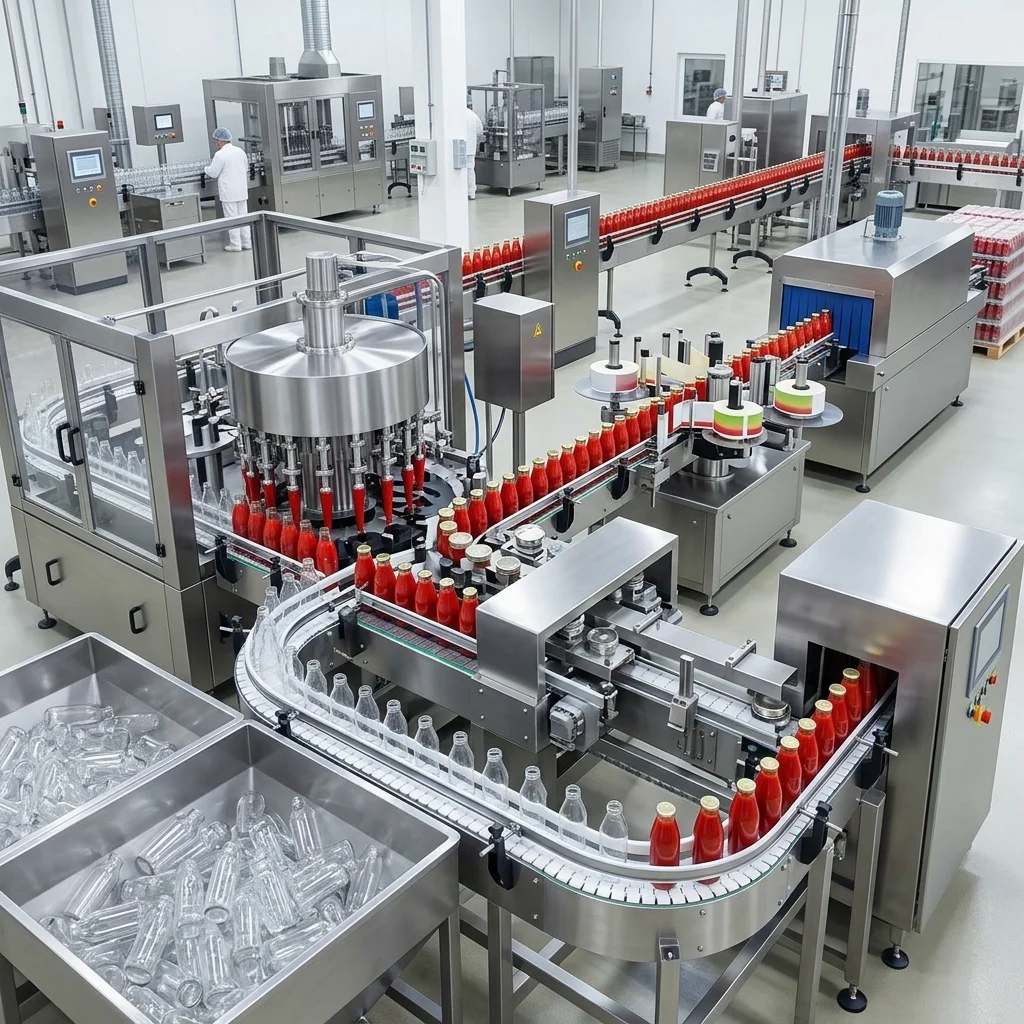
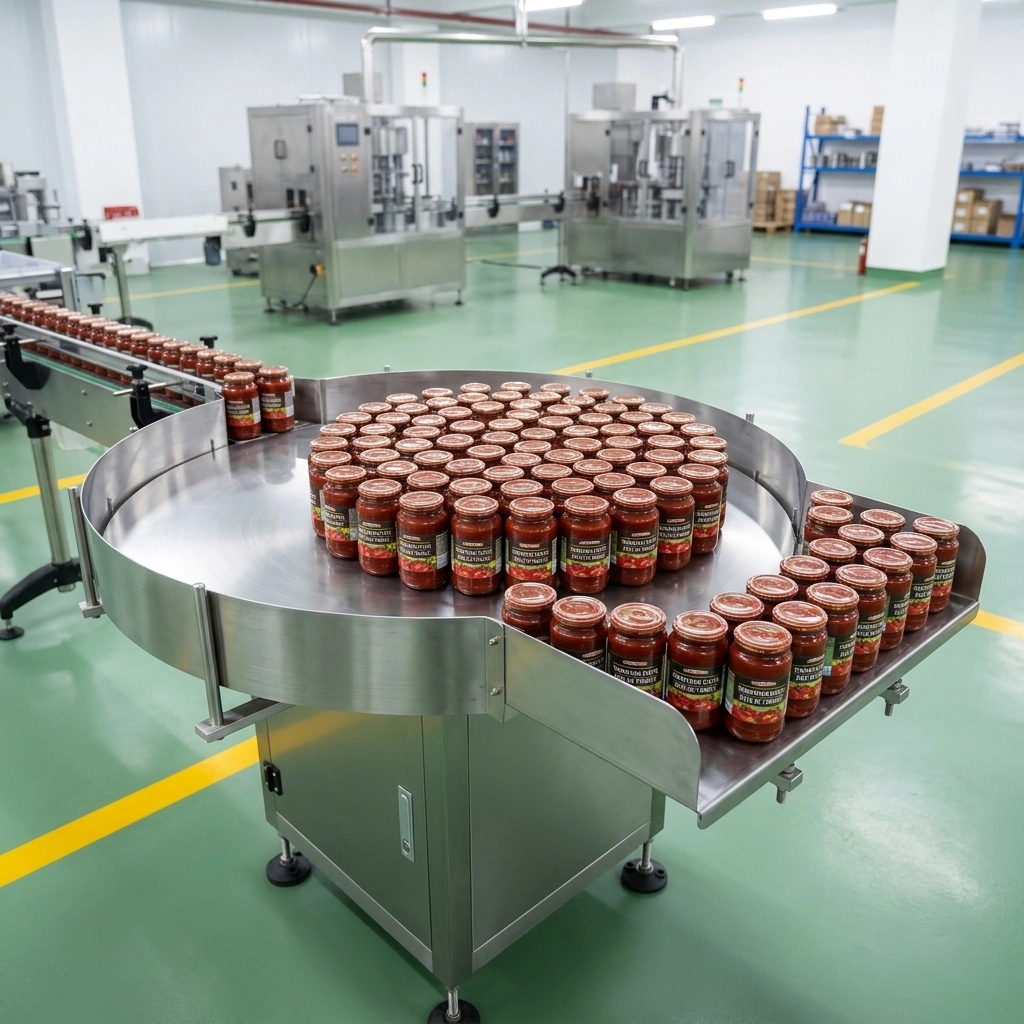
Low-shear tomato sauce filling block and conveyor workshop
Torque, steam injection and cap feeding are checked against the actual cap sample.
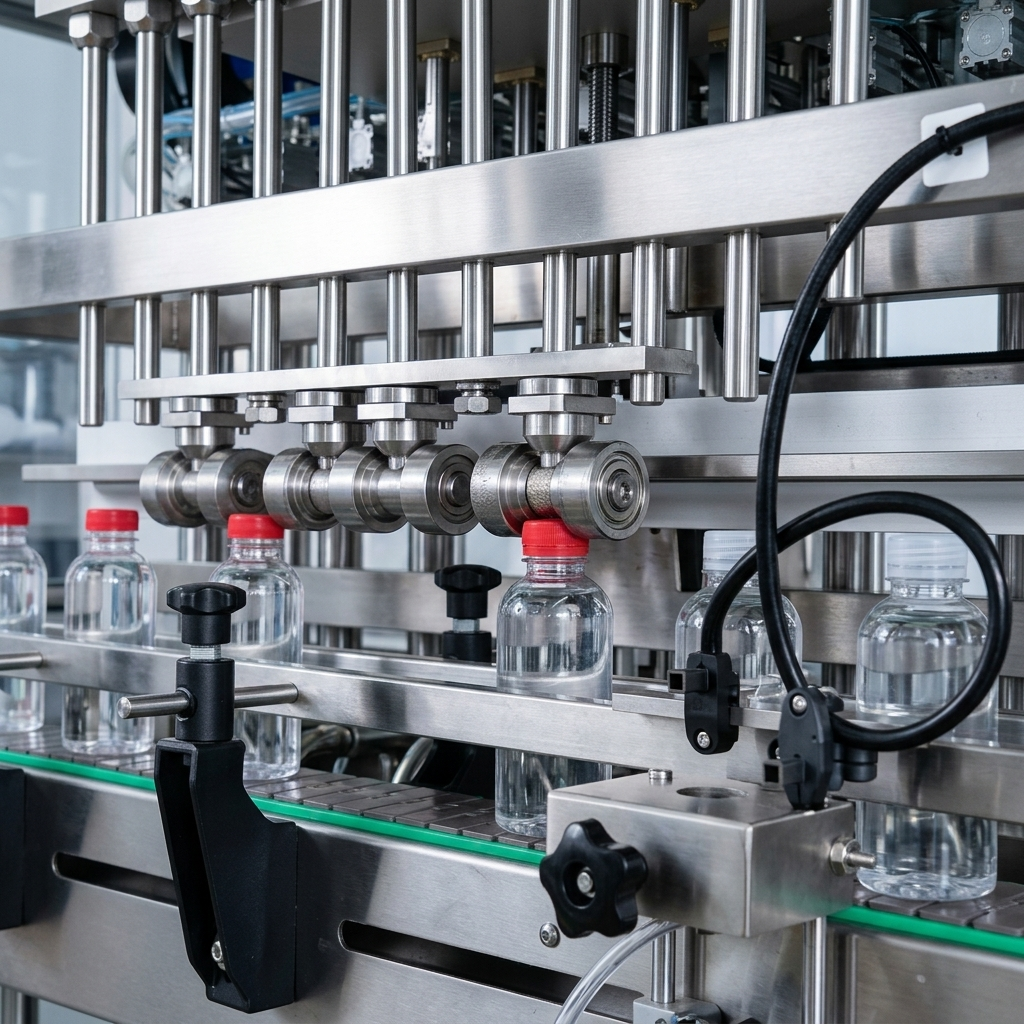
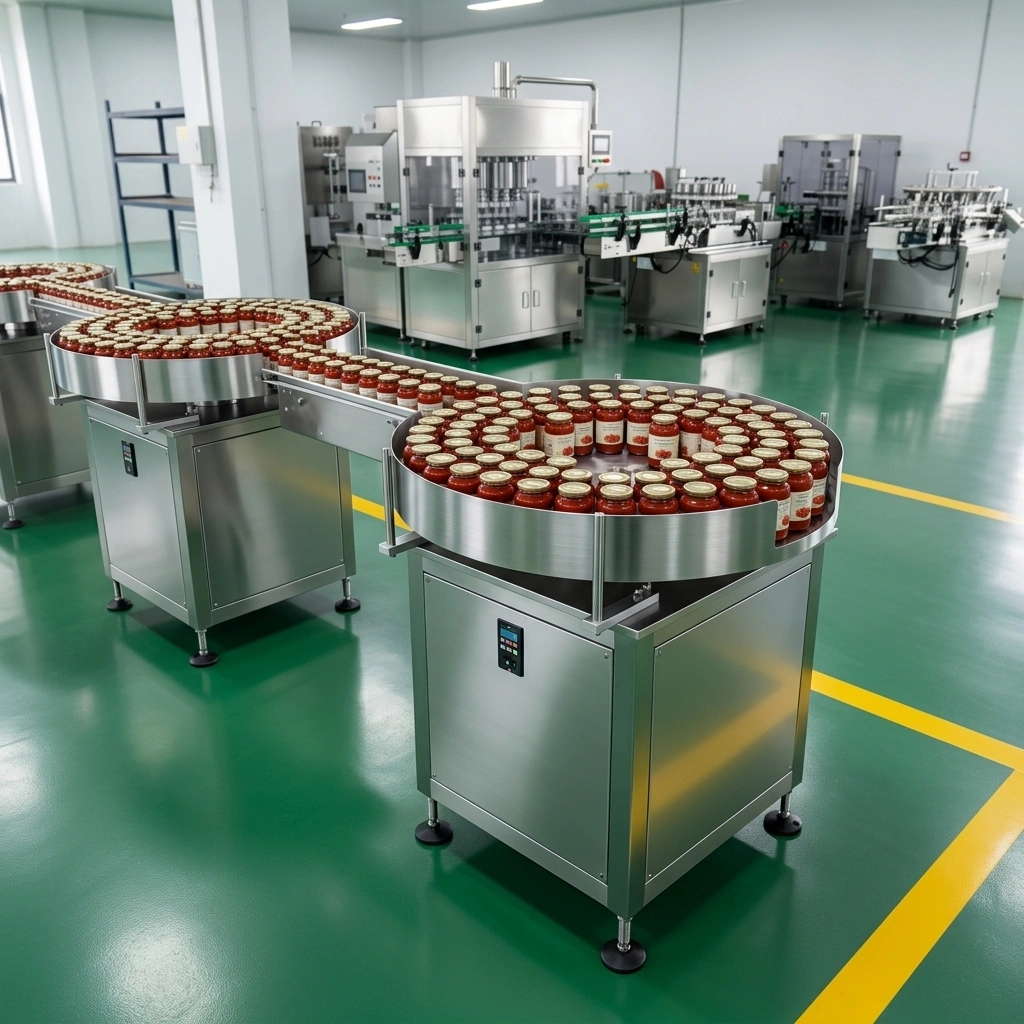
Bottle shape, label surface and downstream packing determine the last section of the route.
Multi-stage conveyor block and linear capping integration
Packaging proof scenes

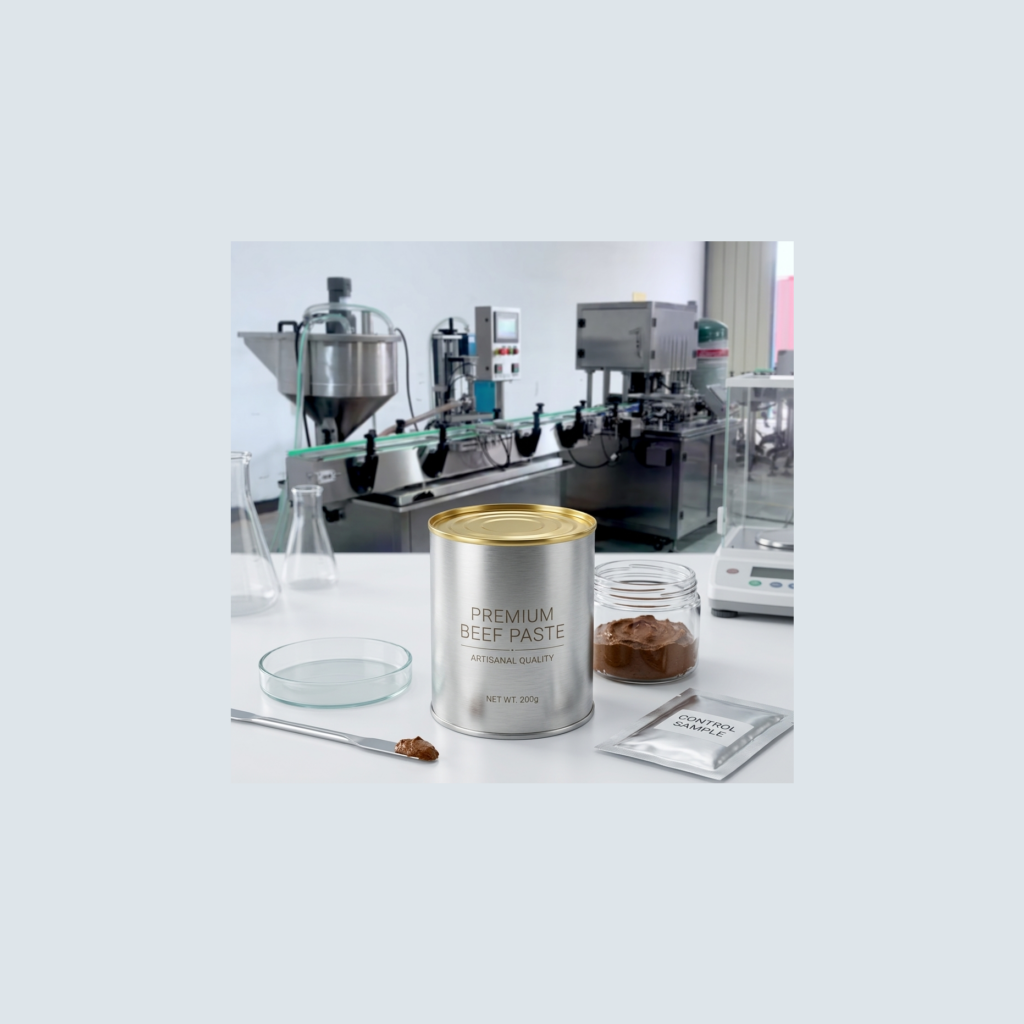

We resolve 9 key filling line risks through precise mechanical synchronization and diagnostic logic.
Rotary Bottle Unscrambler operational video: demonstrating real-world tomato paste process stability.
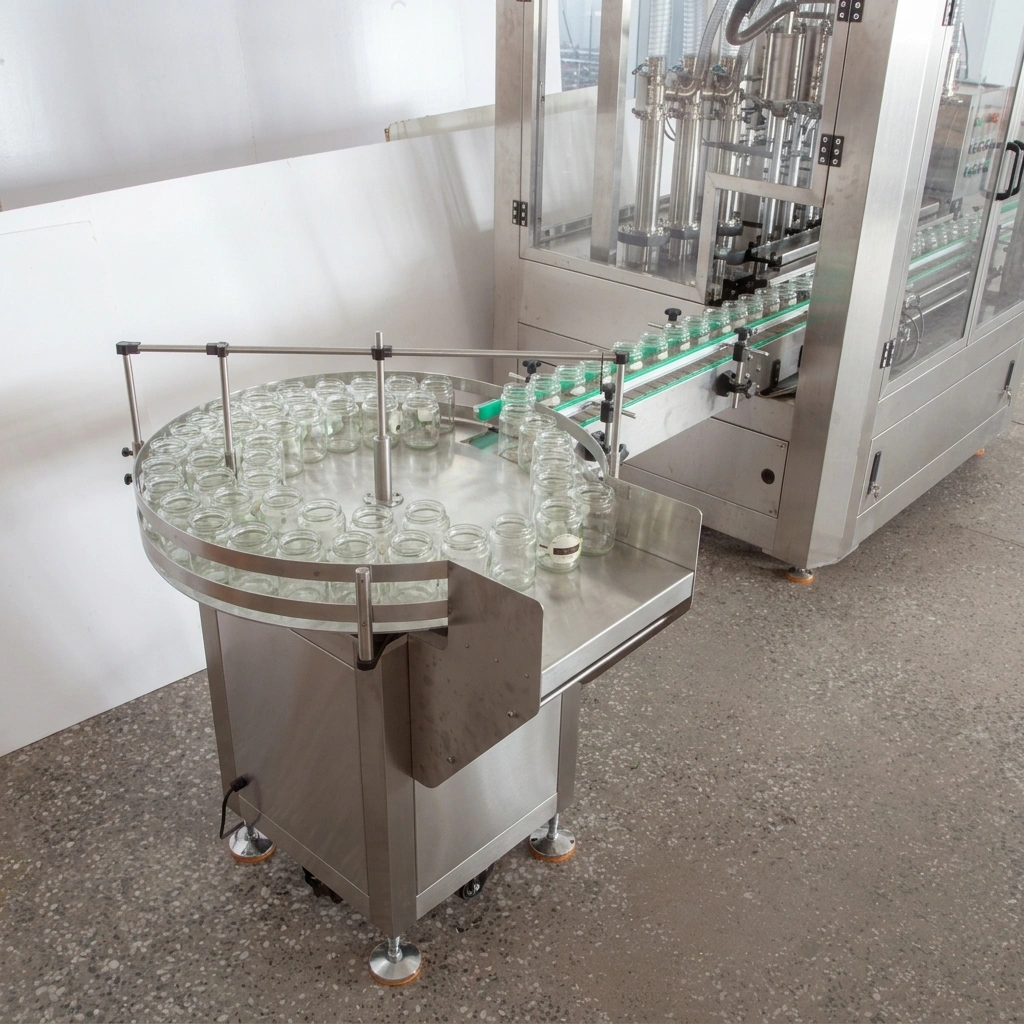
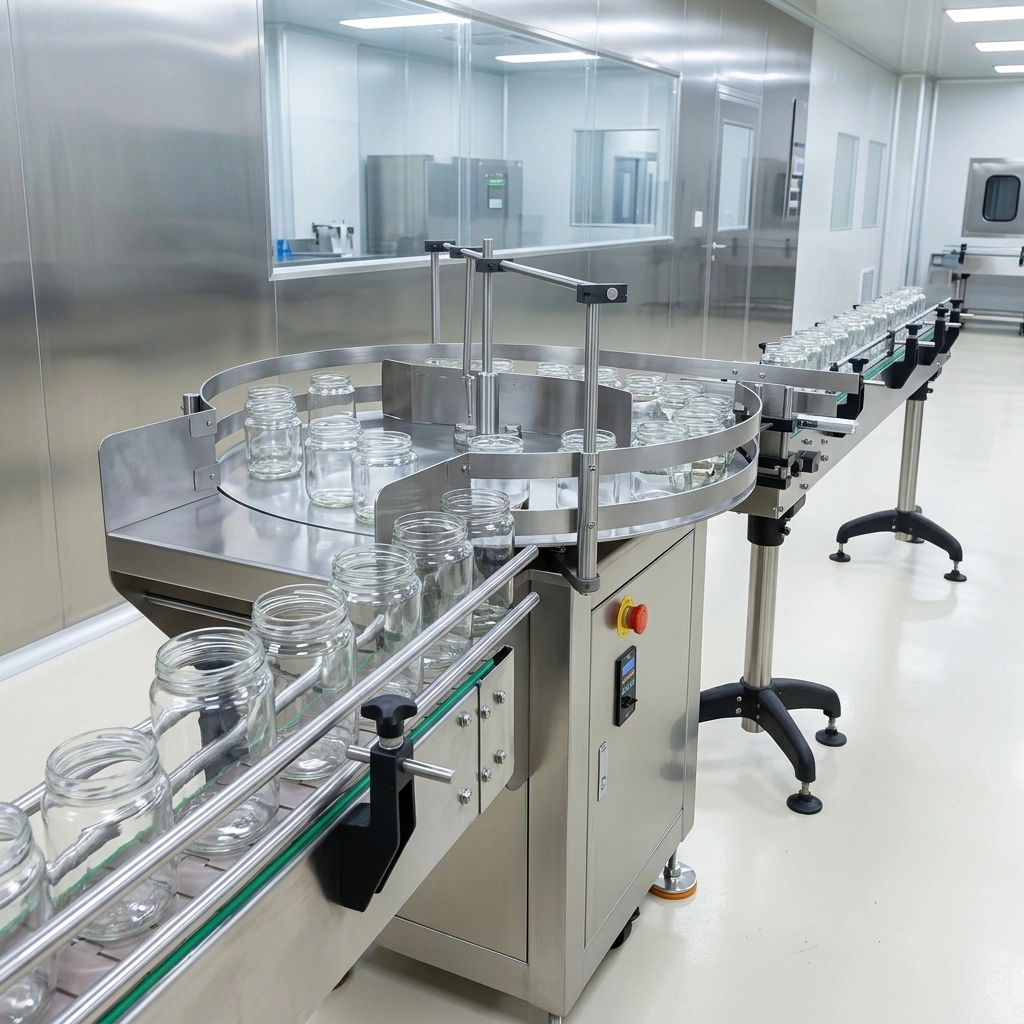
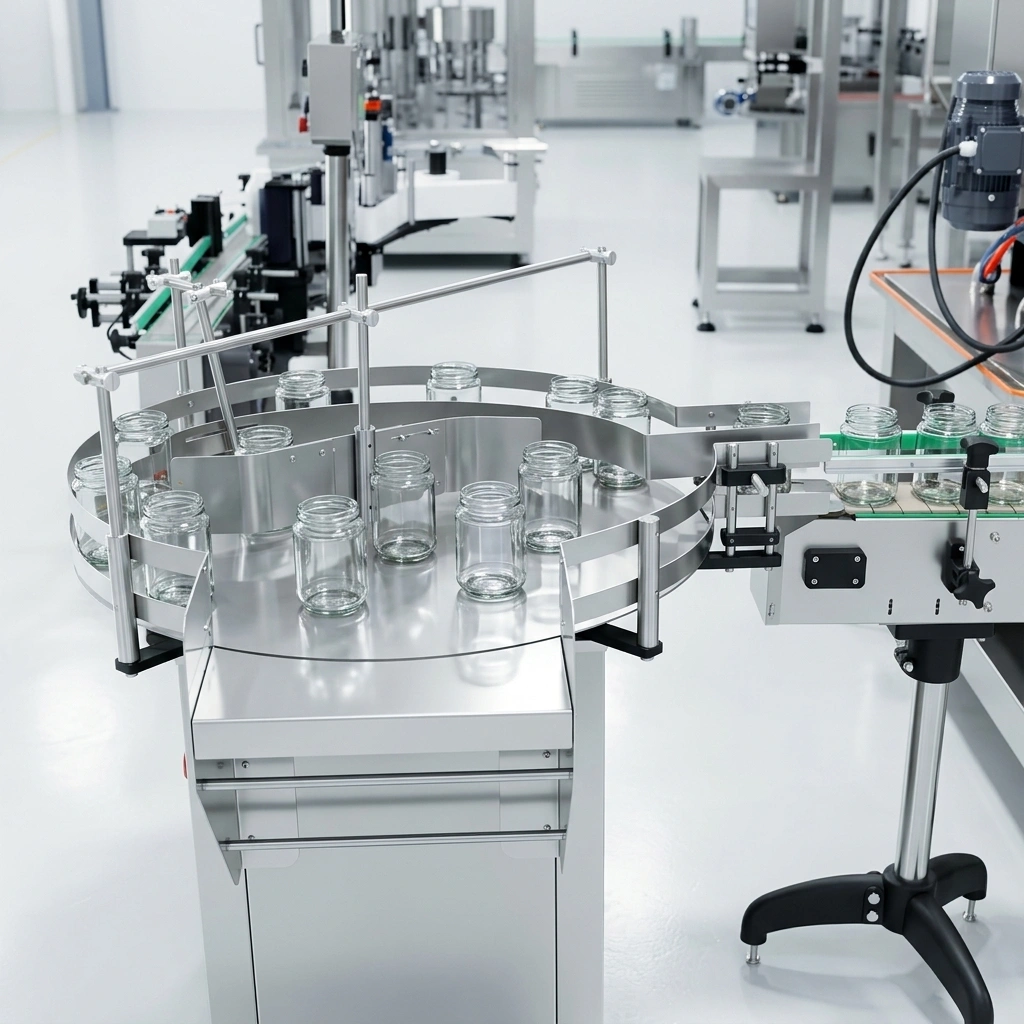
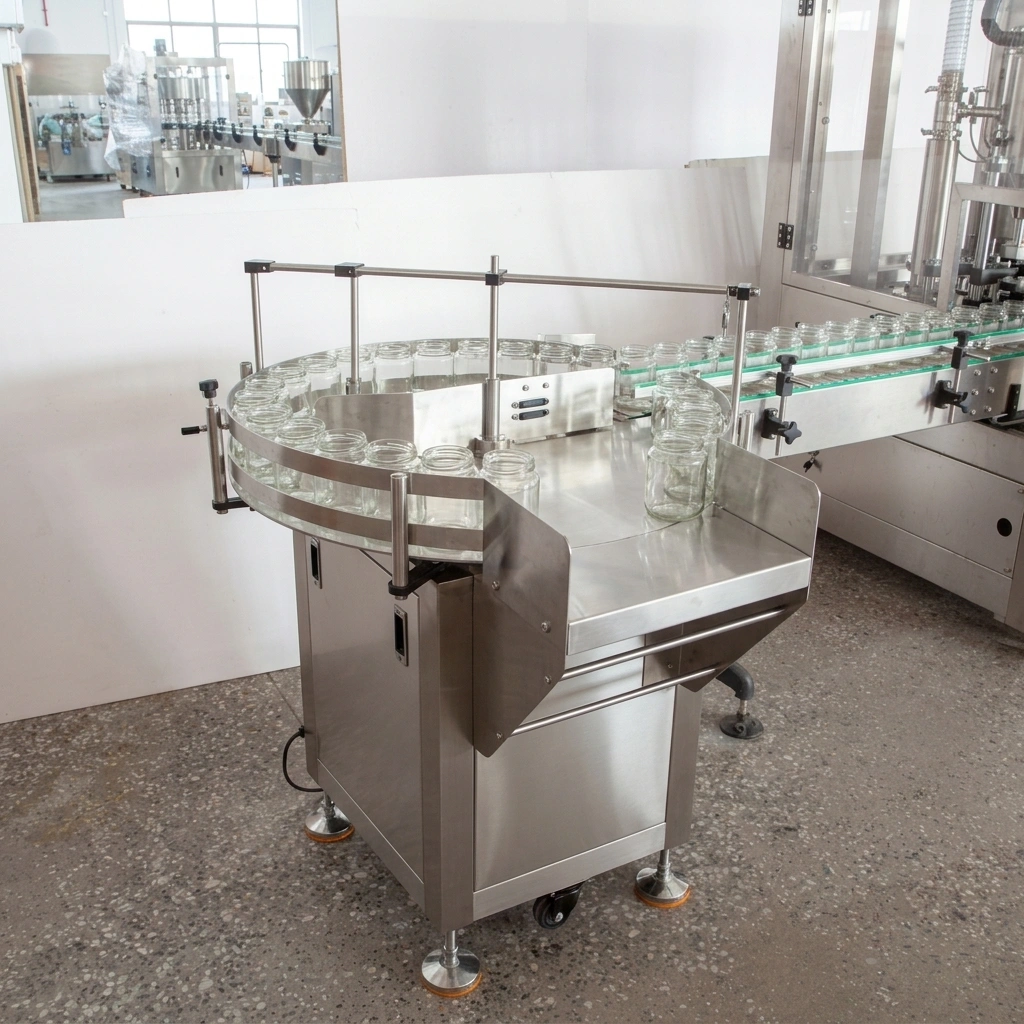
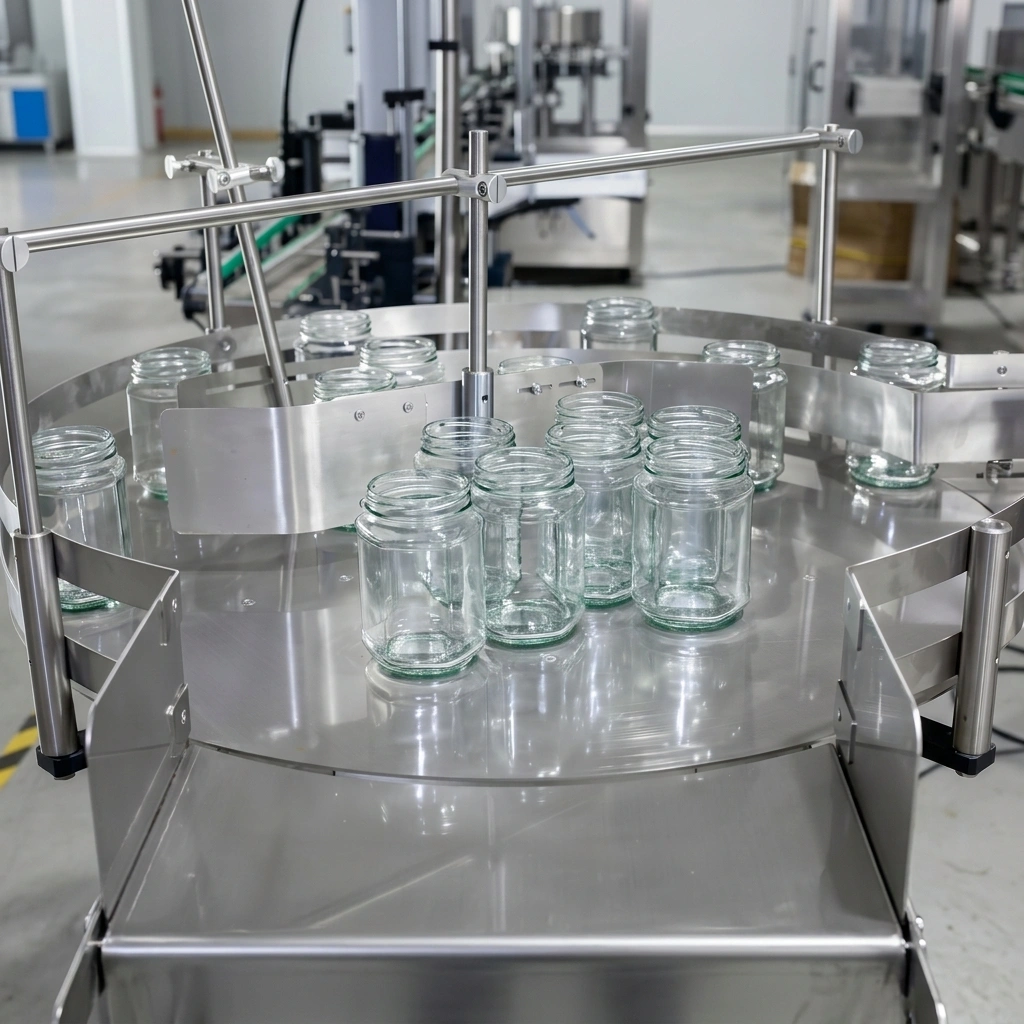
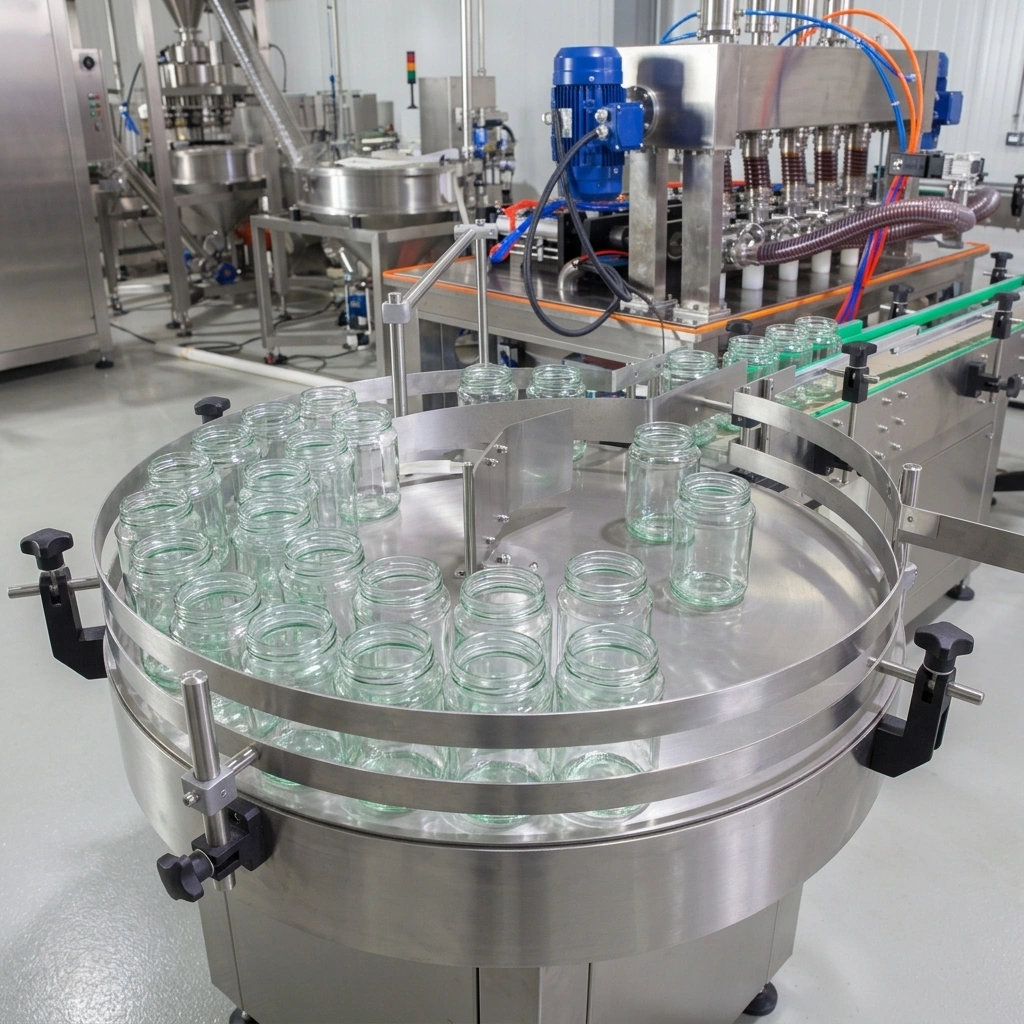
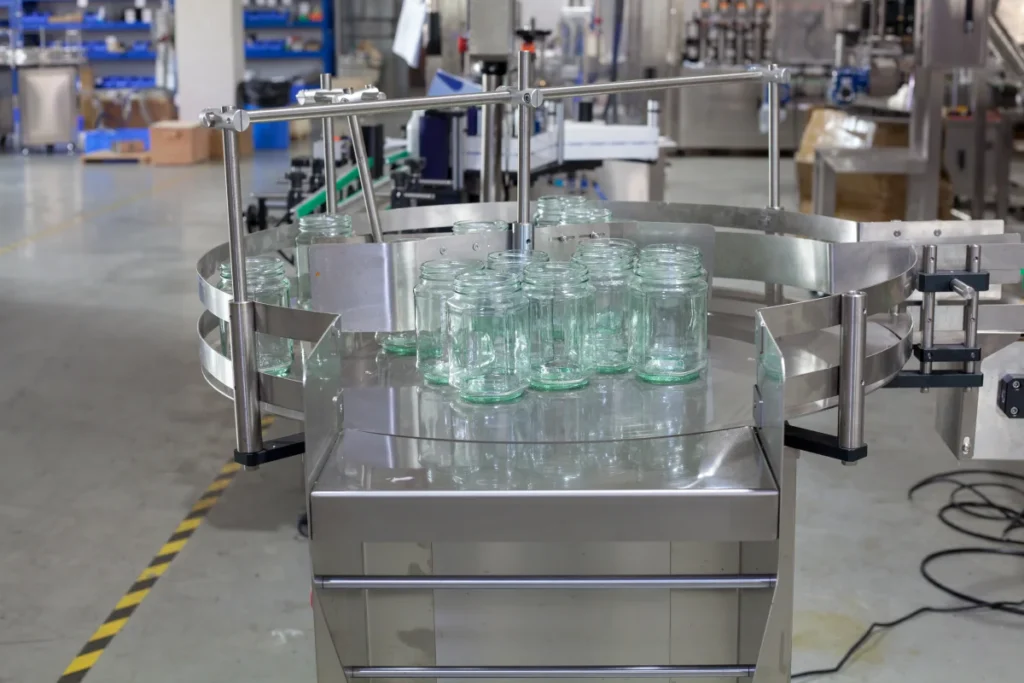
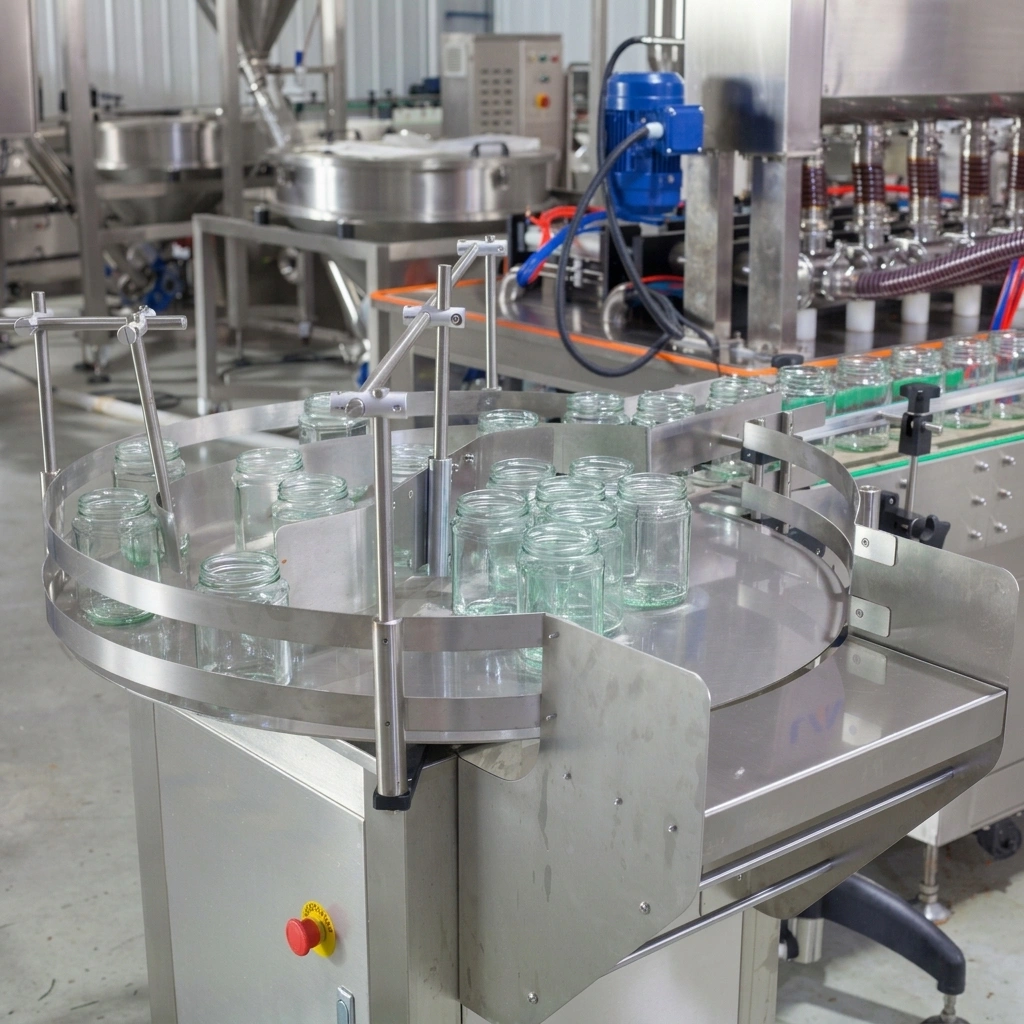
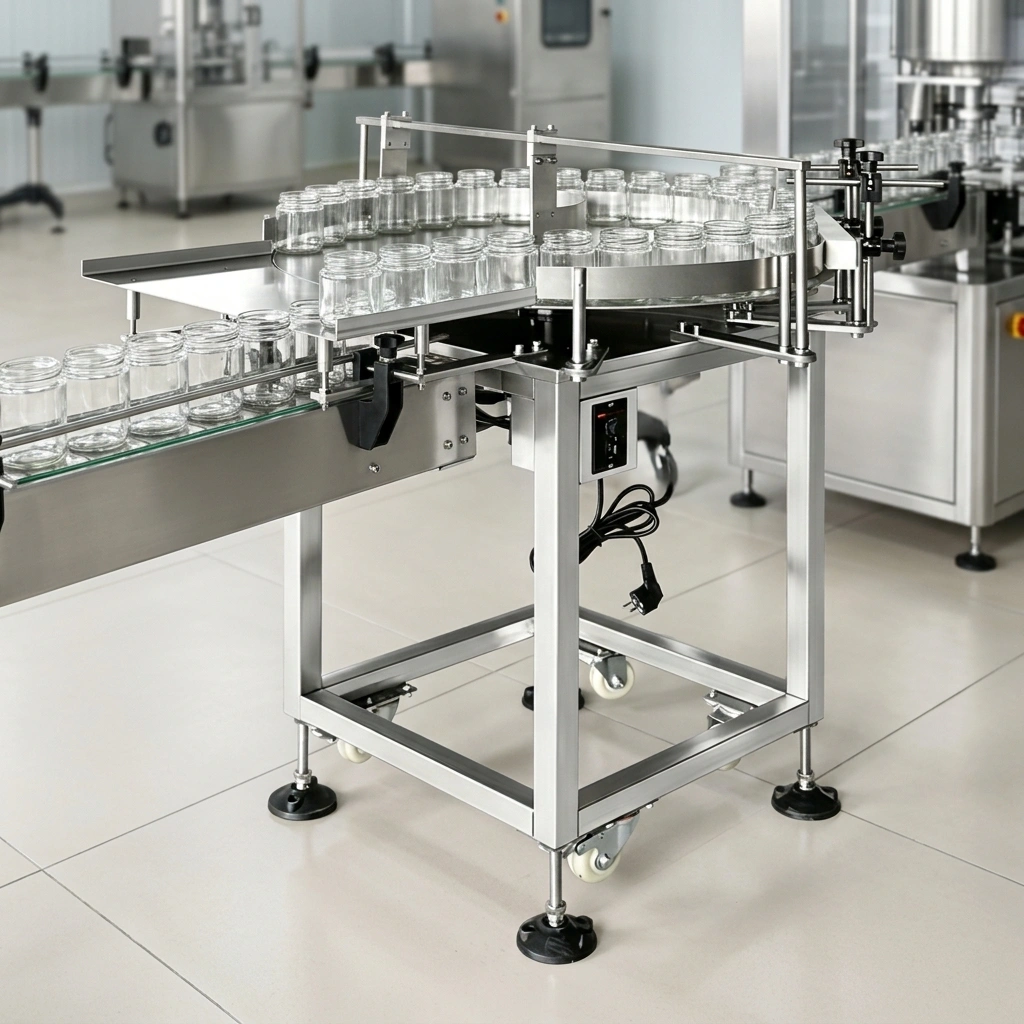
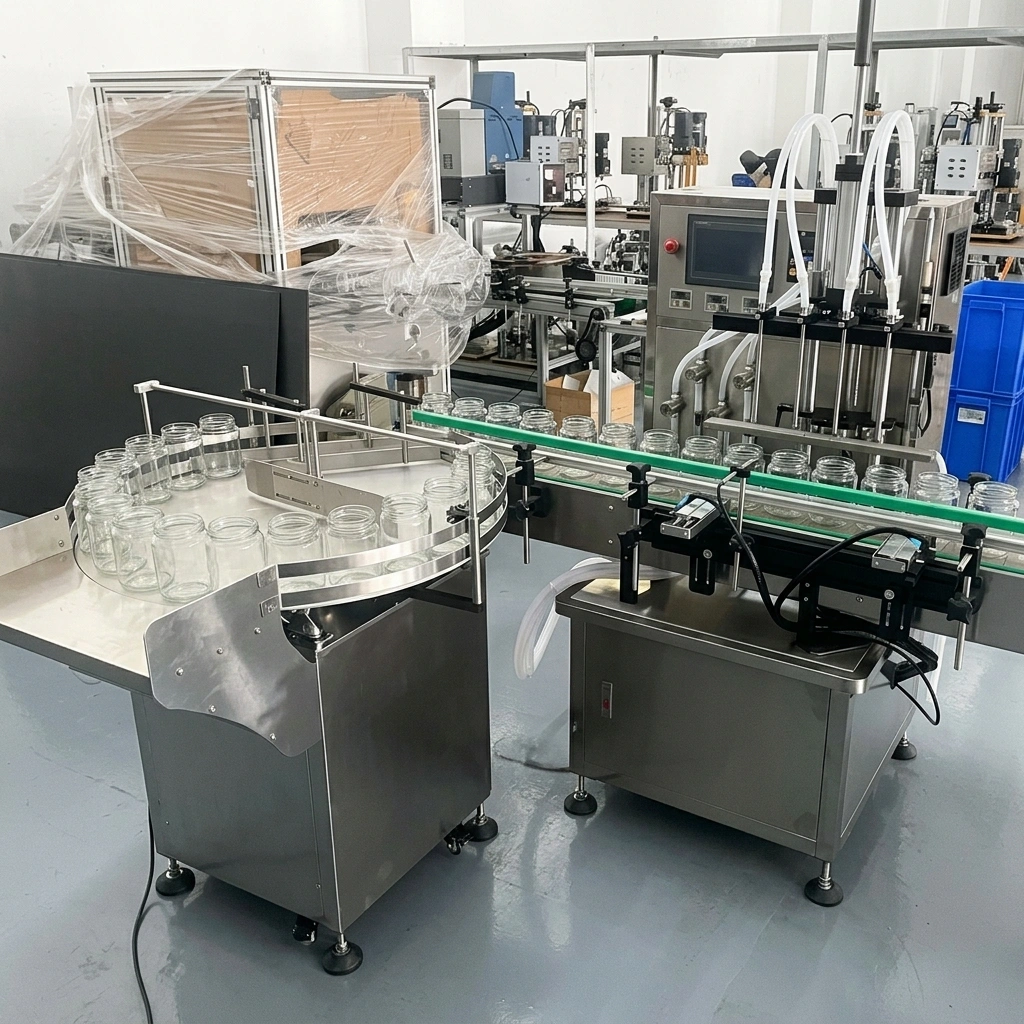
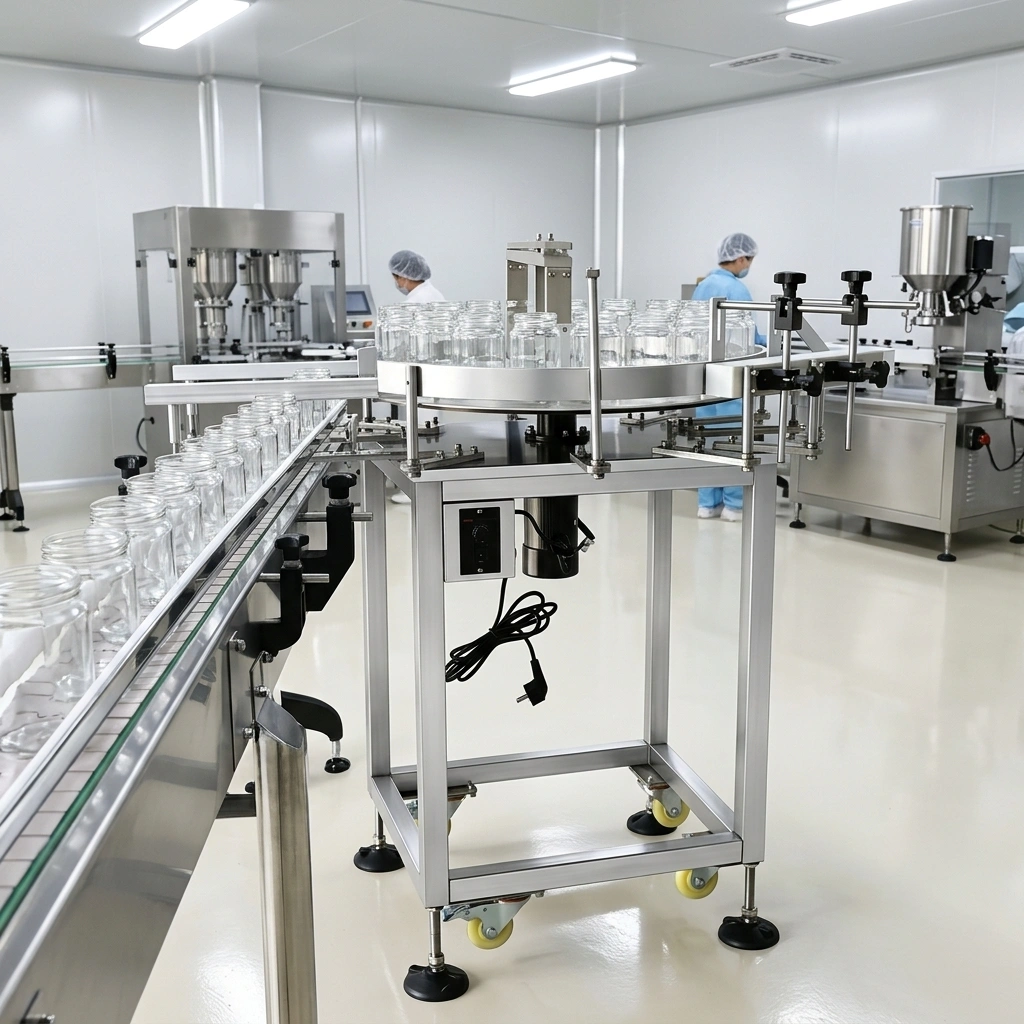
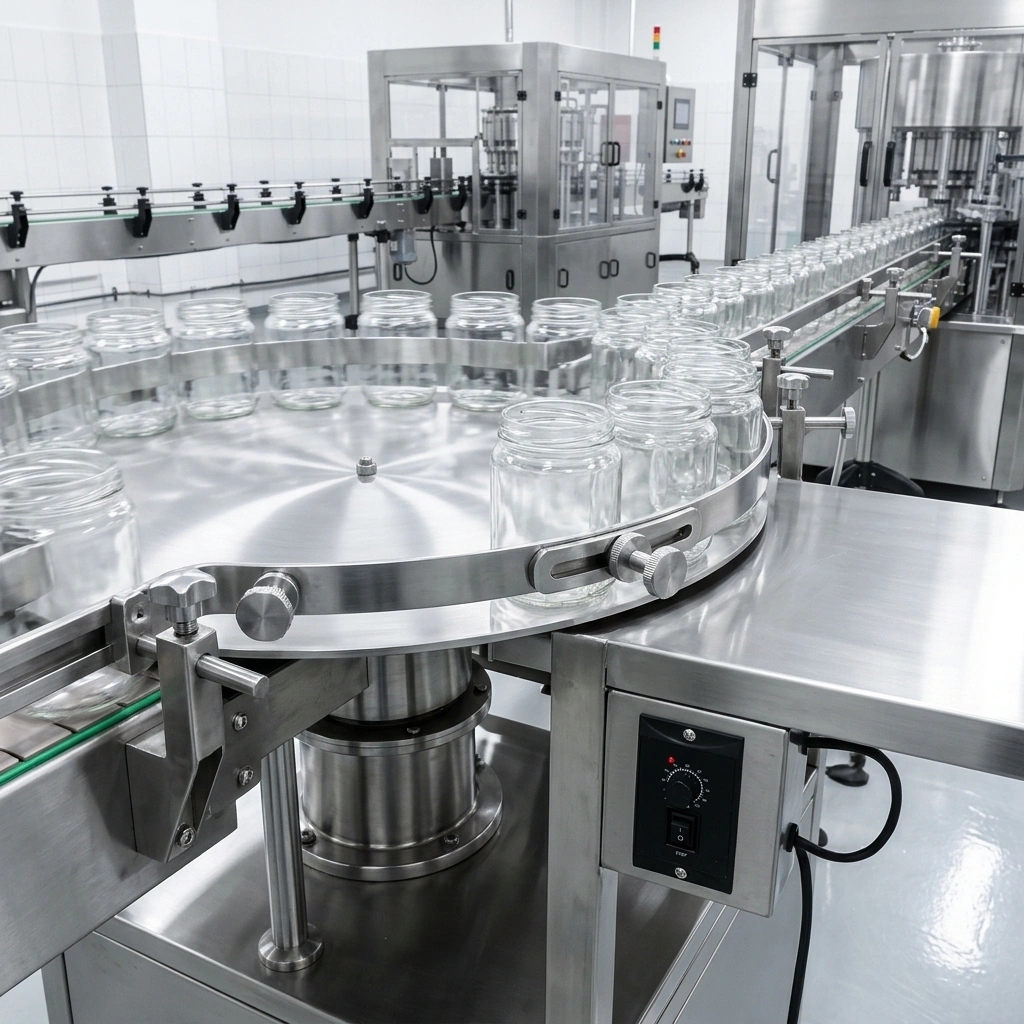
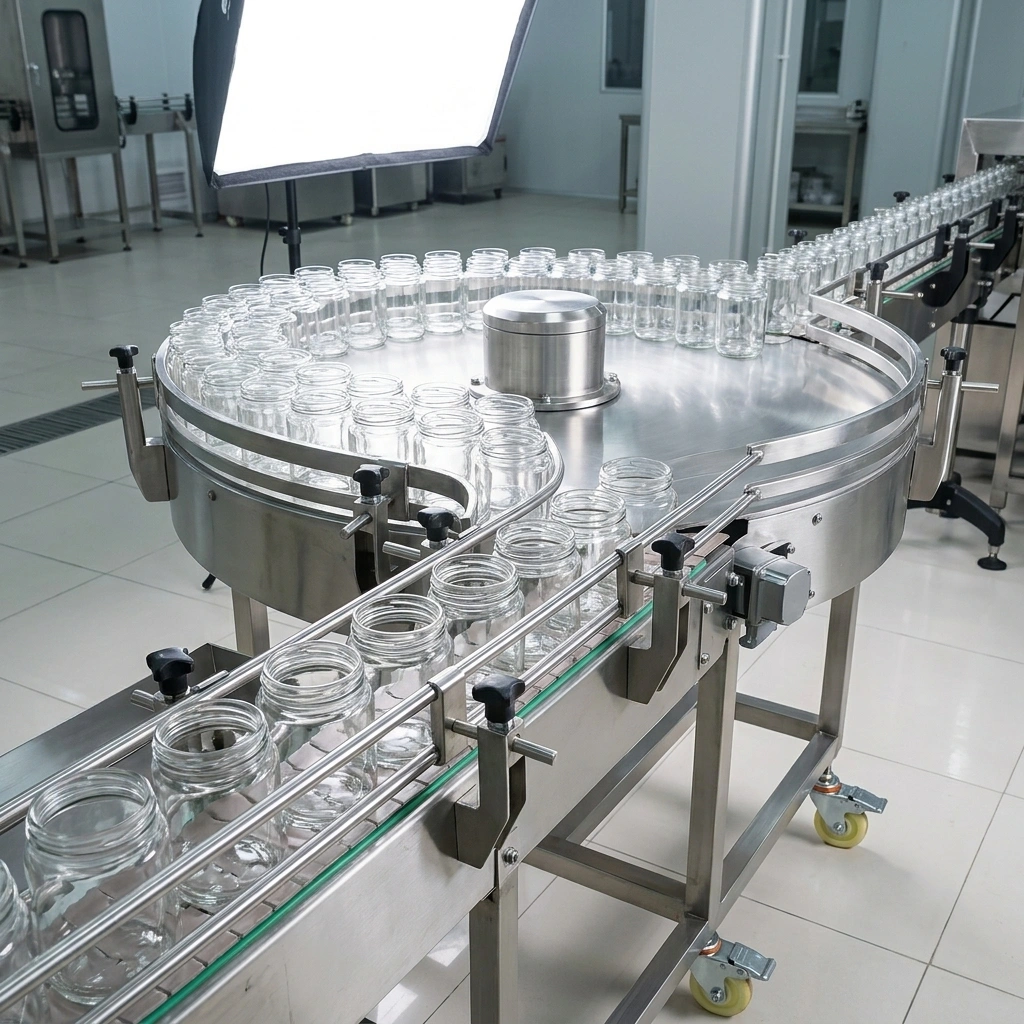
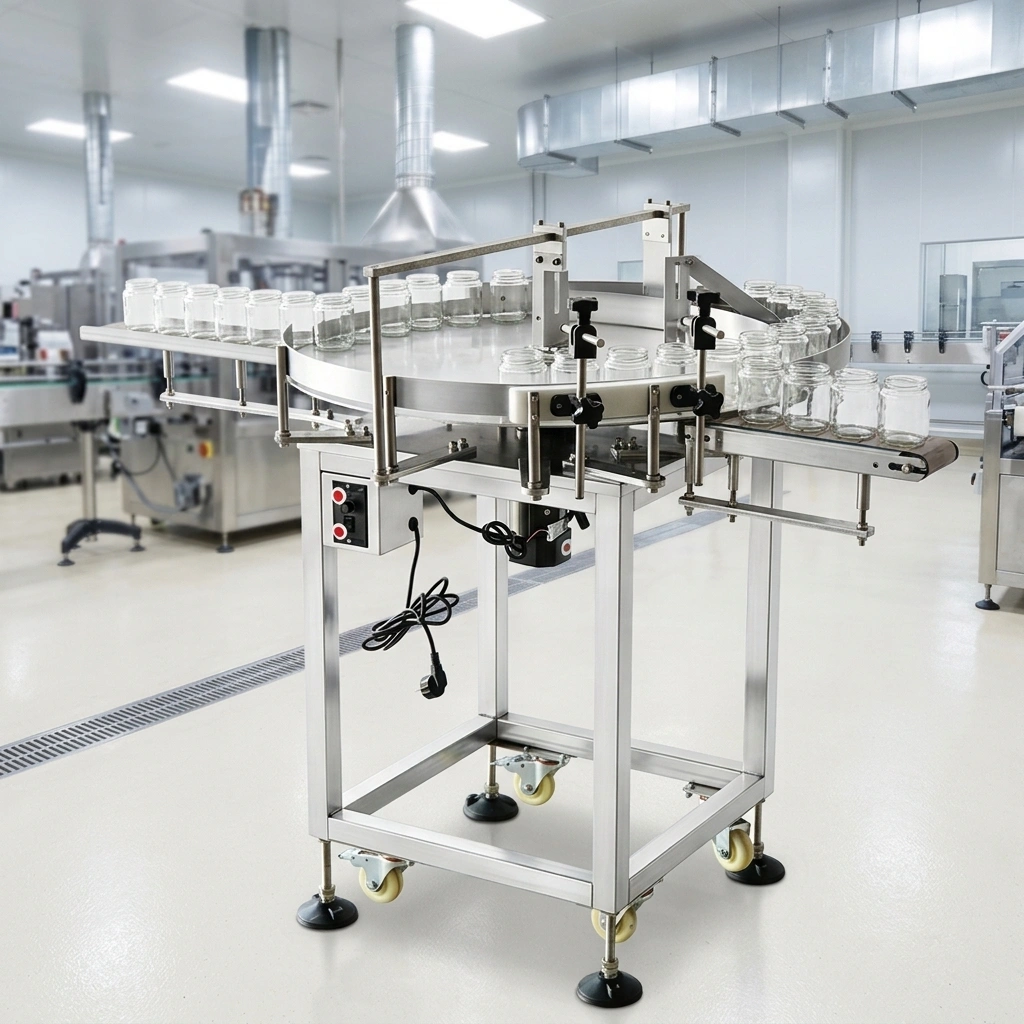
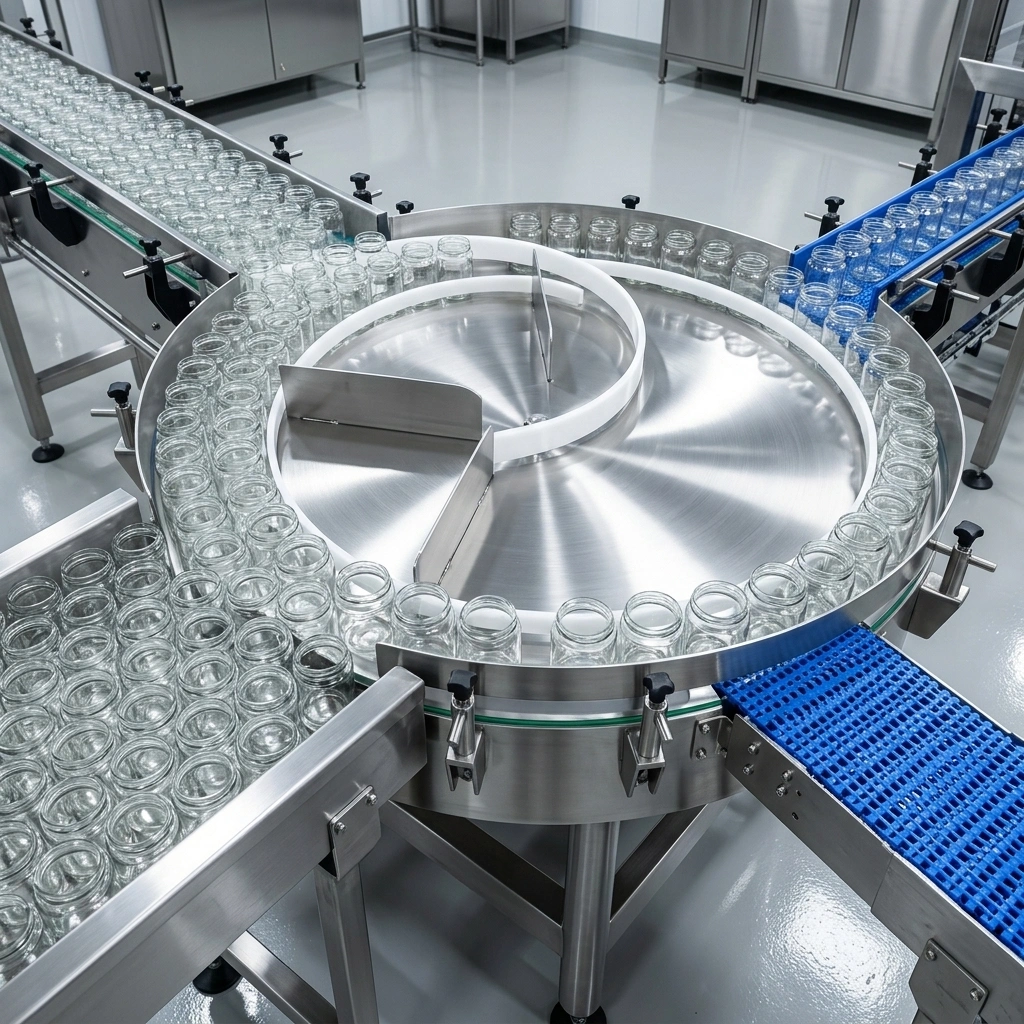
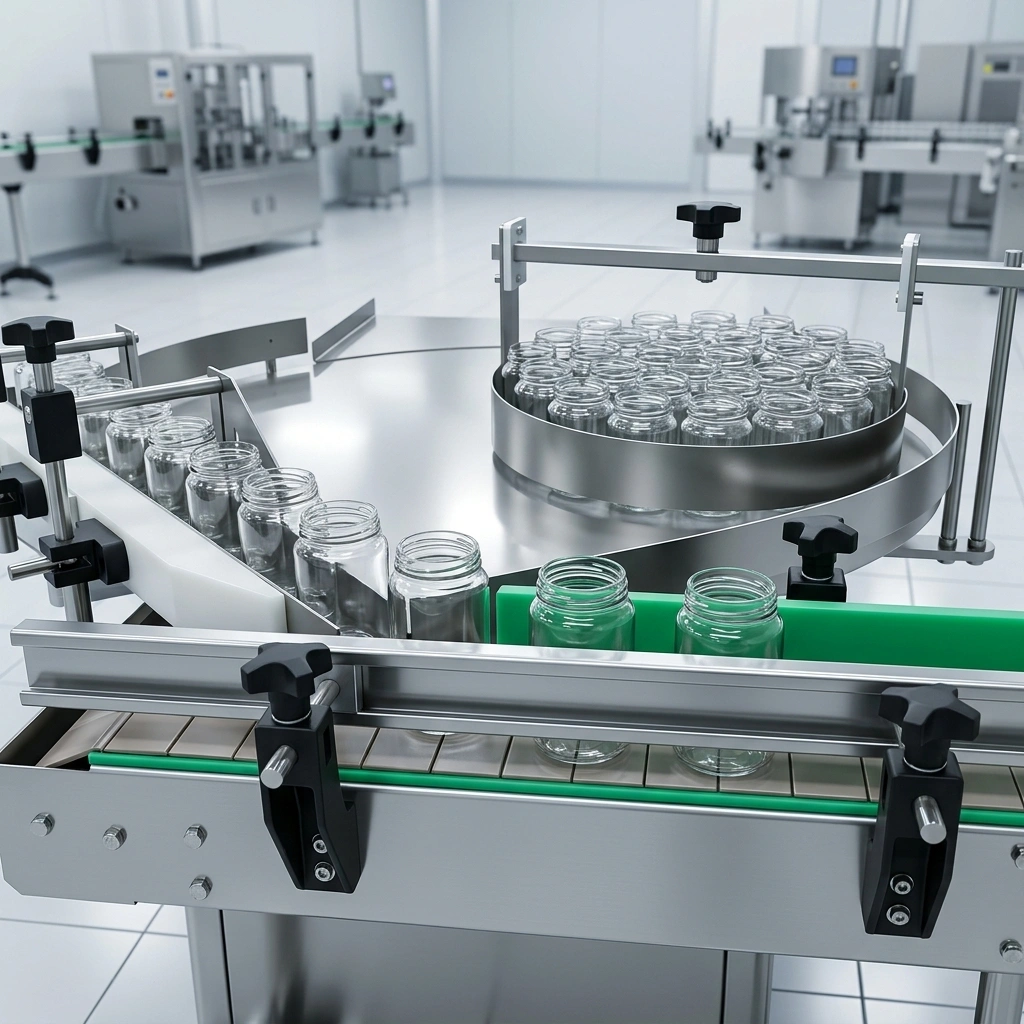
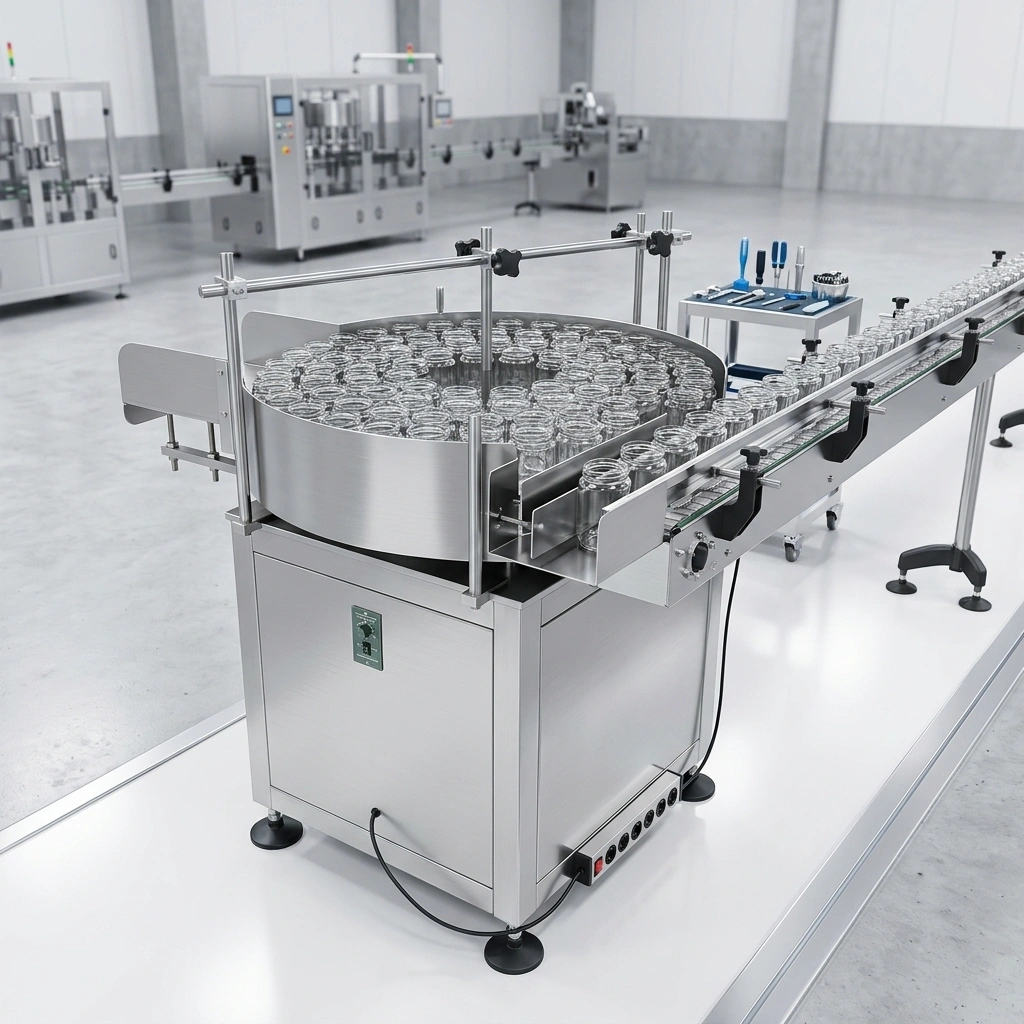
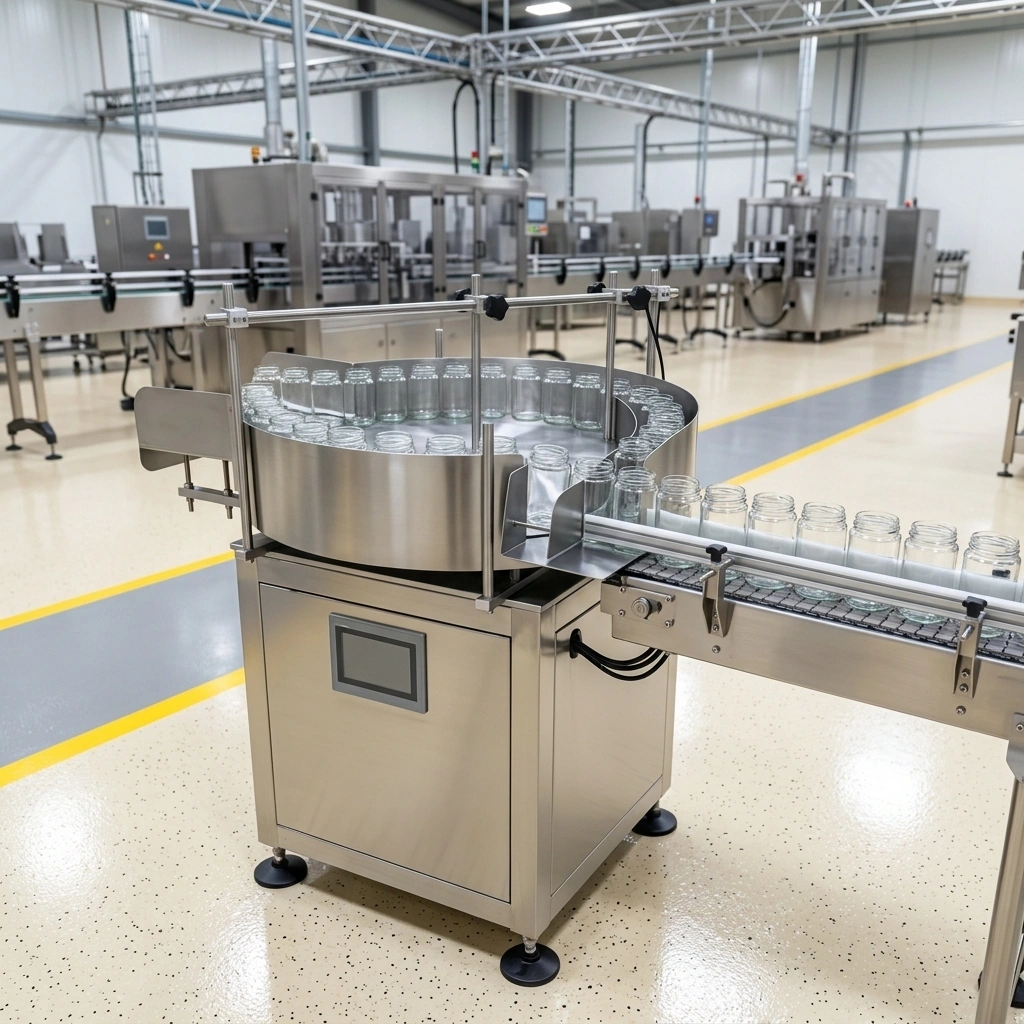
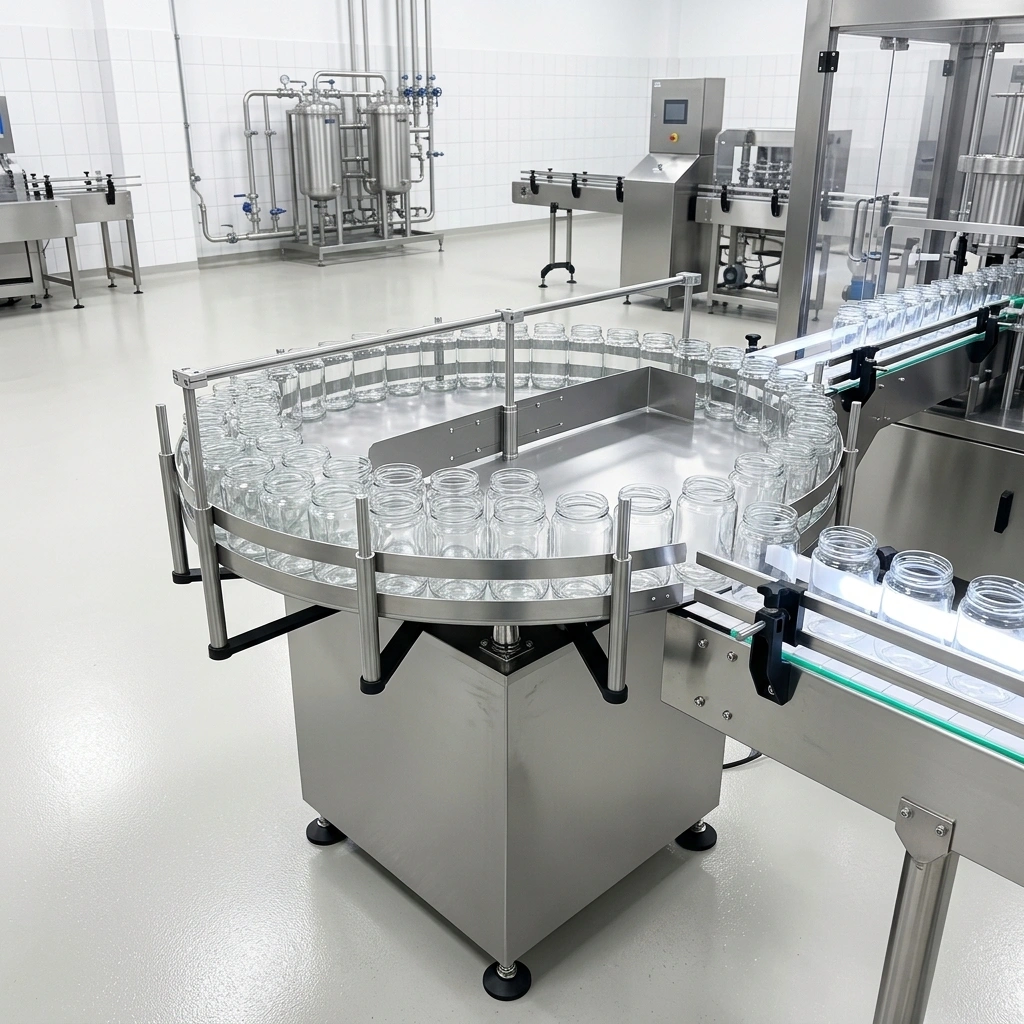
Thin-wall glass Euro-jars or lightweight plastic bottles often experience container bridging, neck wedging, or tipping at the feeder, leading to immediate line stoppage.
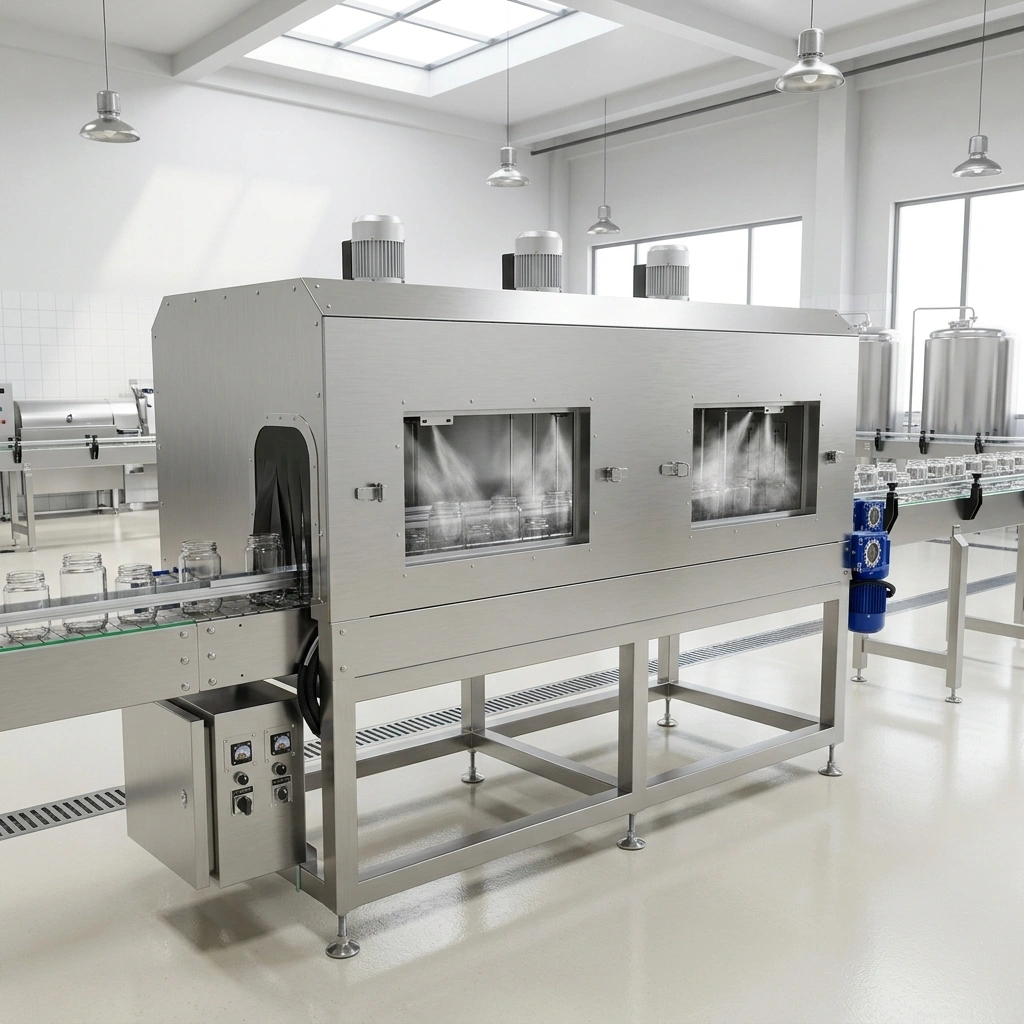
Rotary Bottle Washer operational video: demonstrating real-world tomato paste process stability.
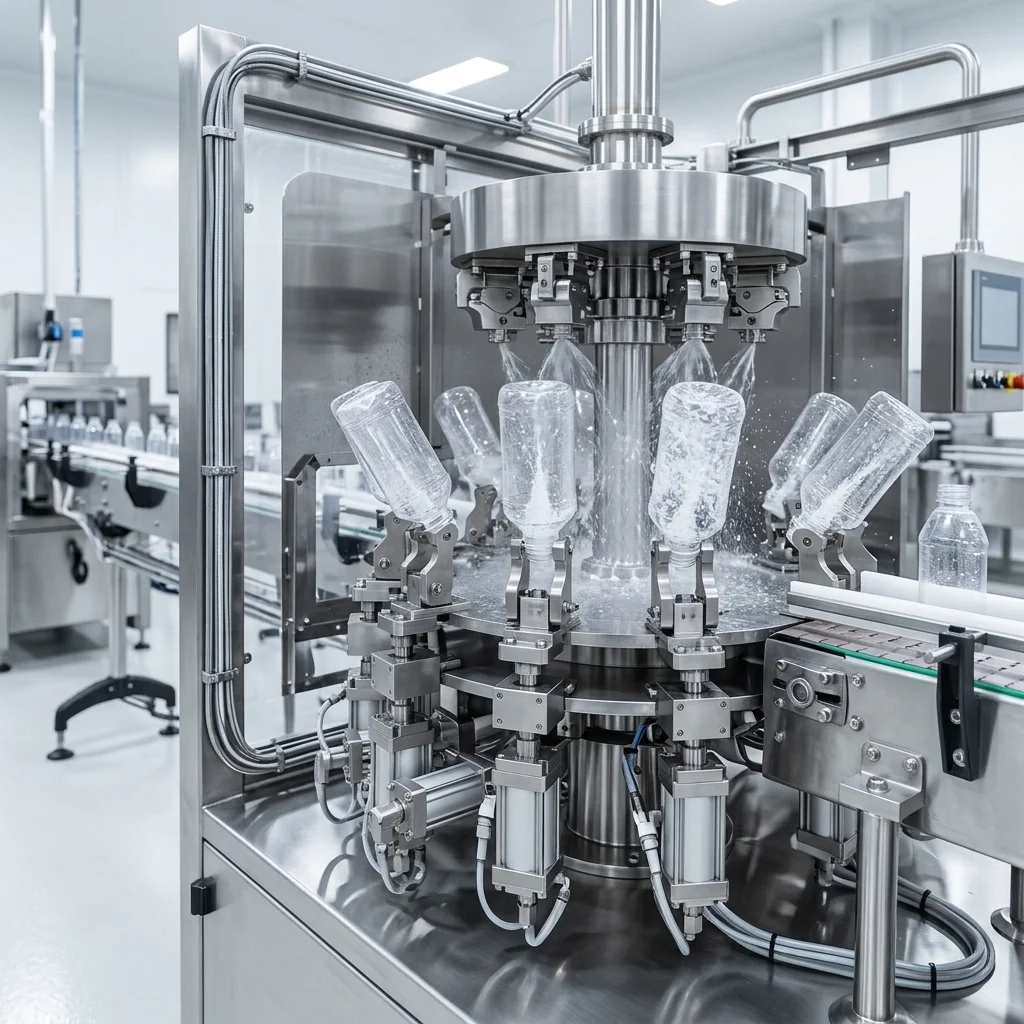
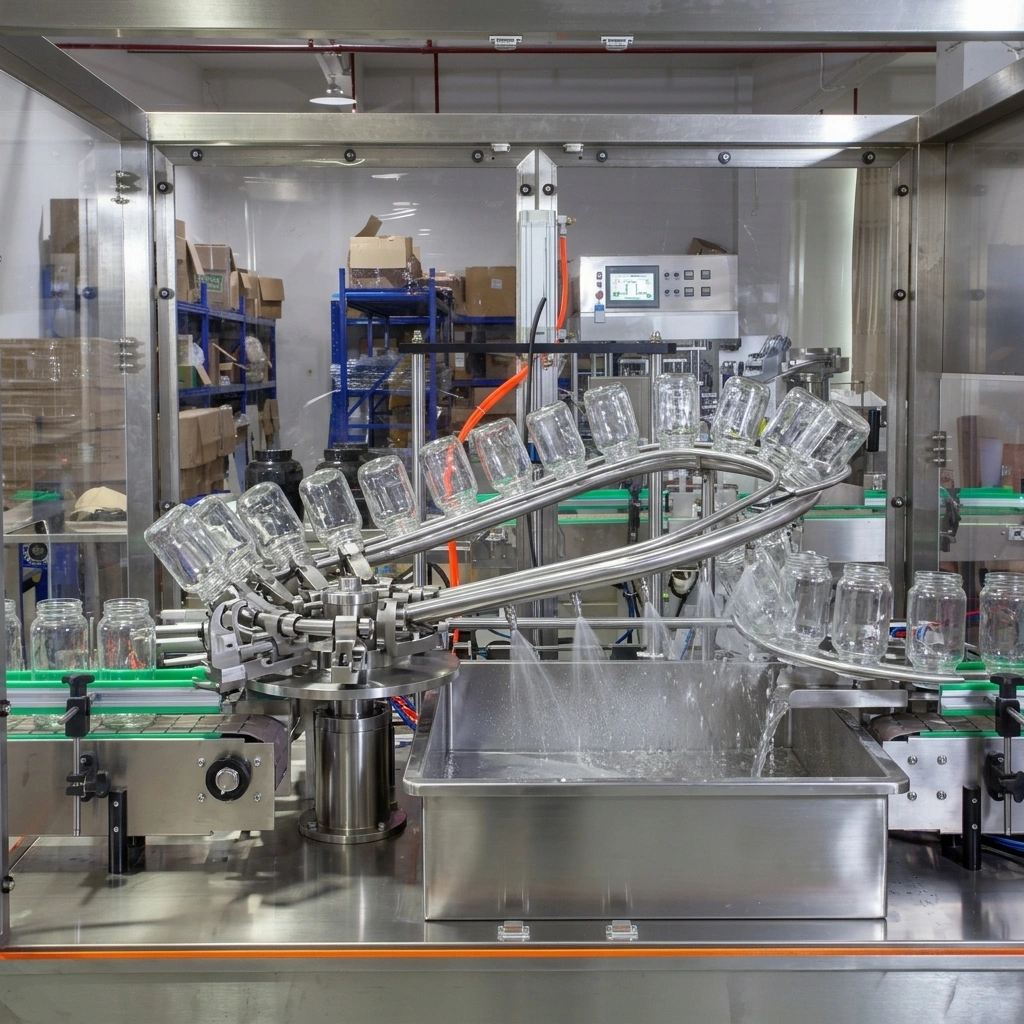
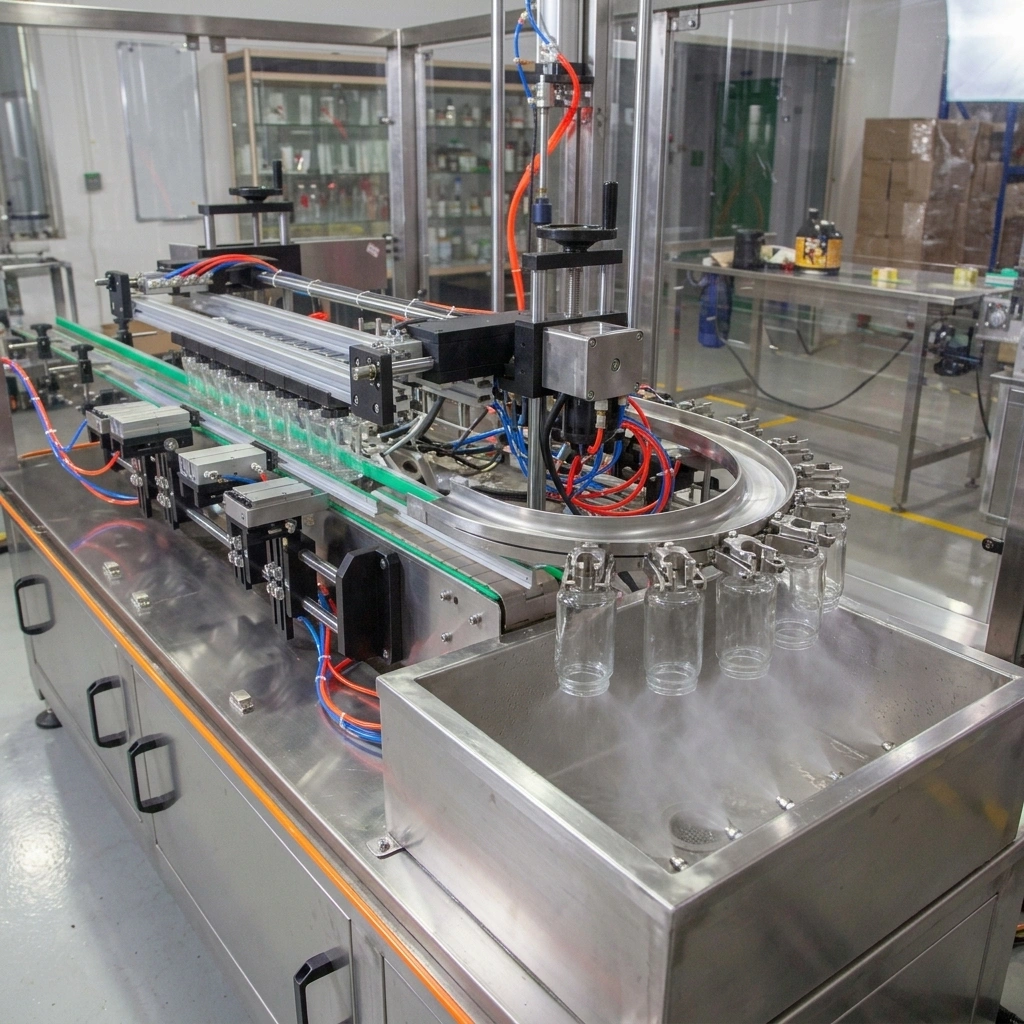
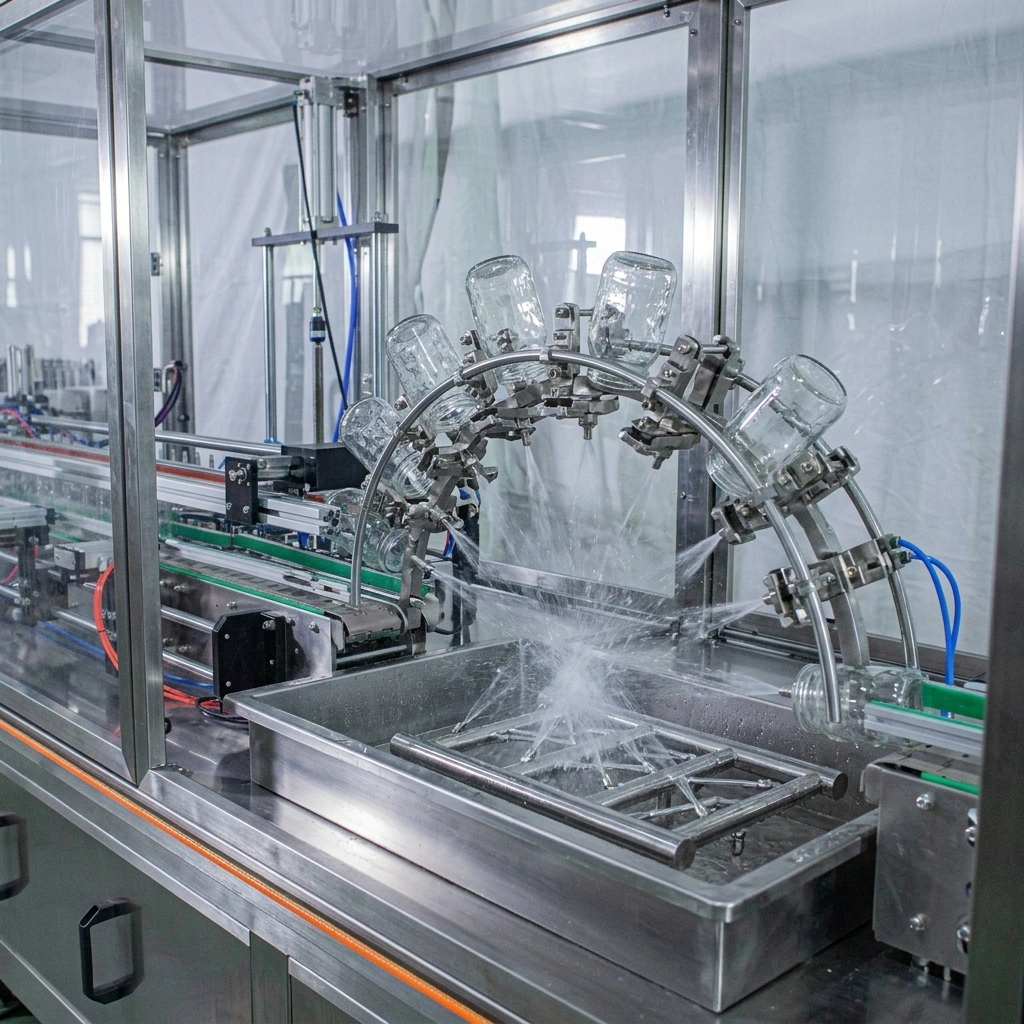
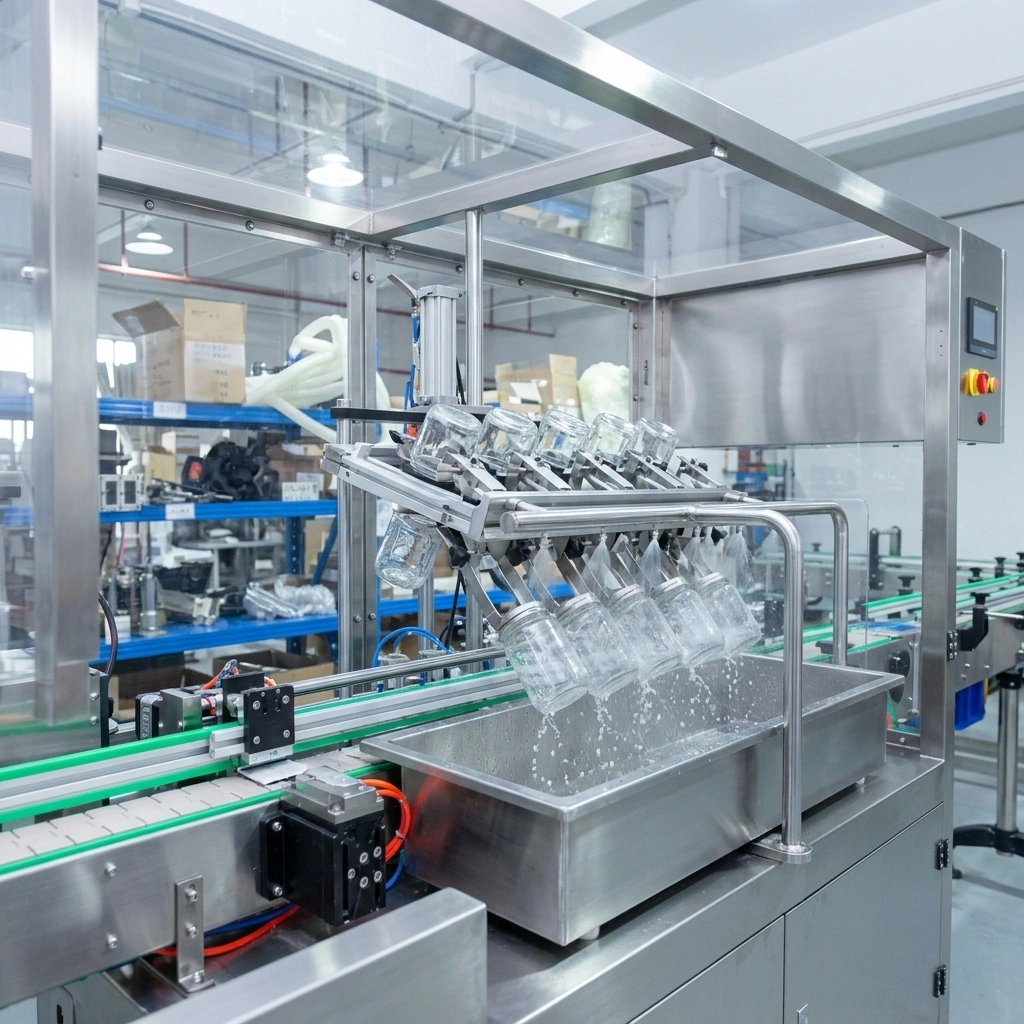
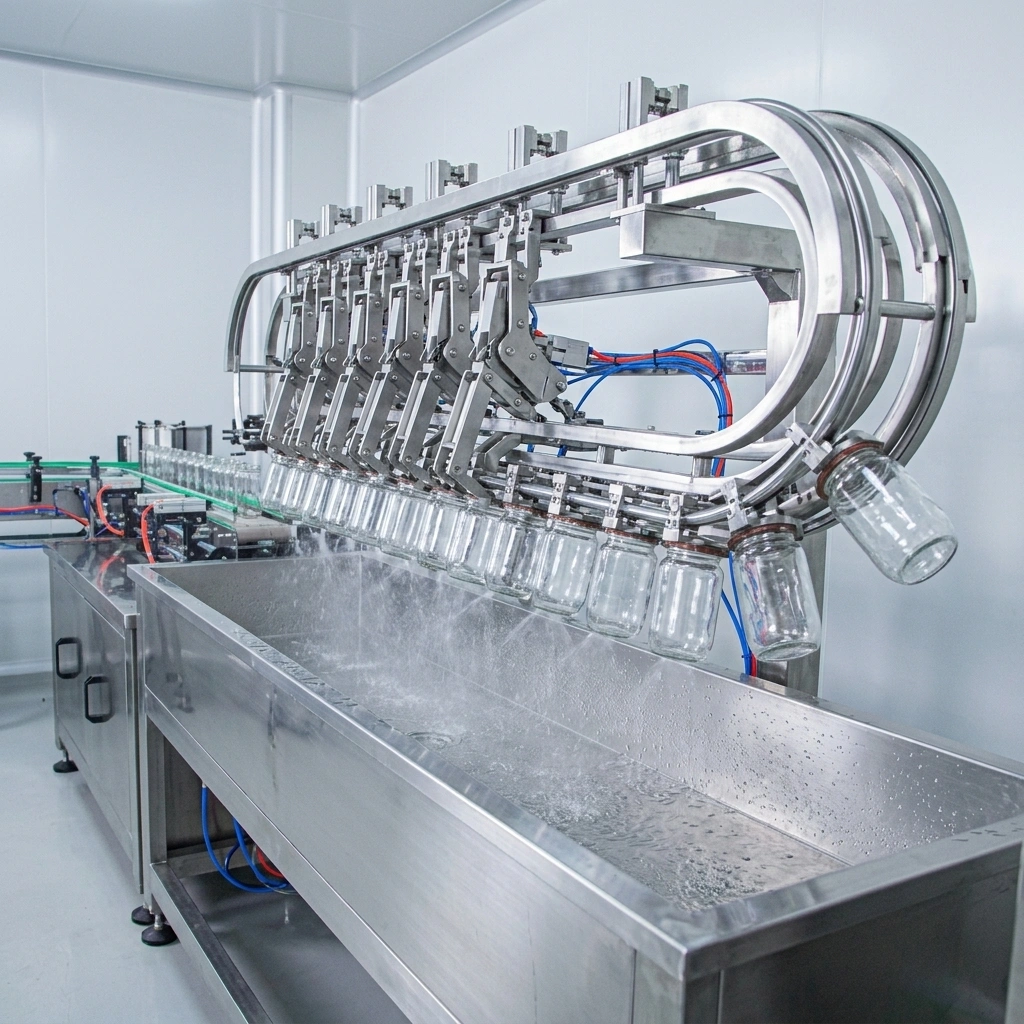
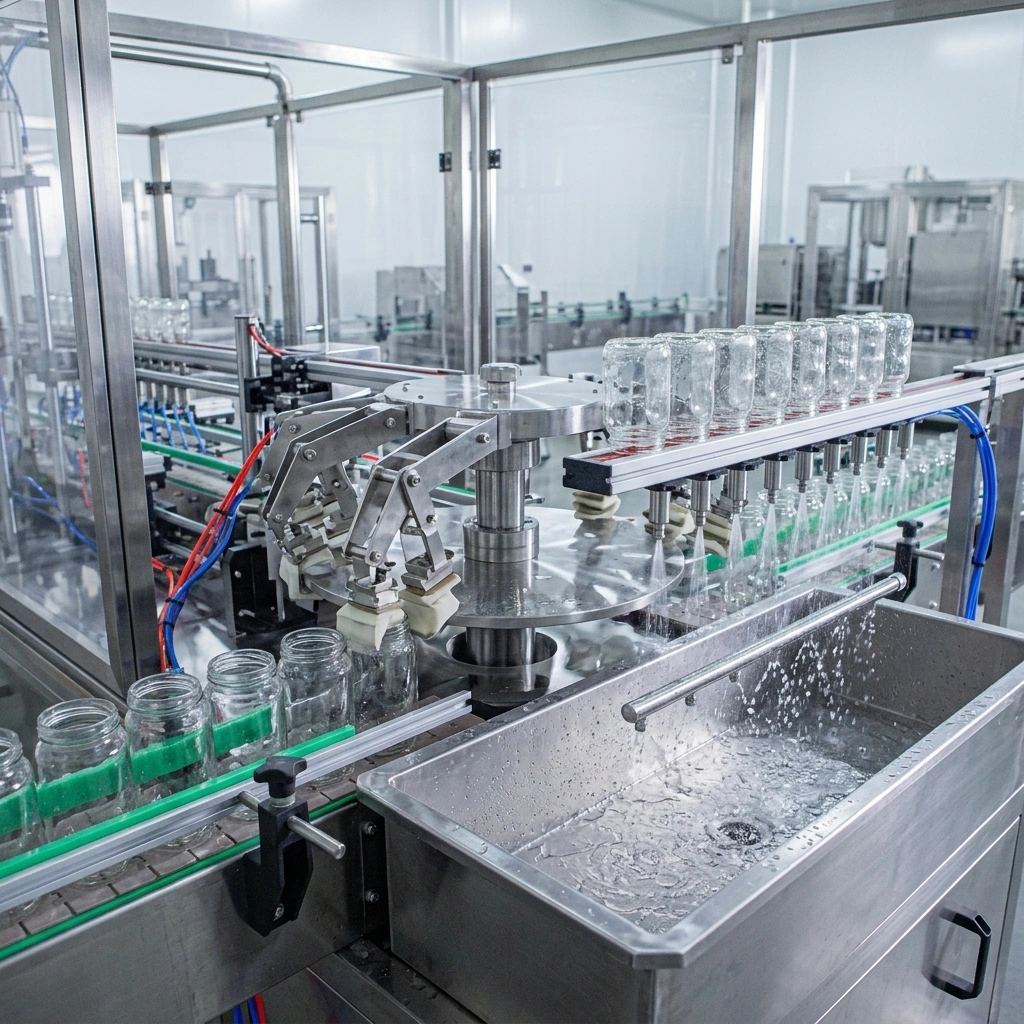
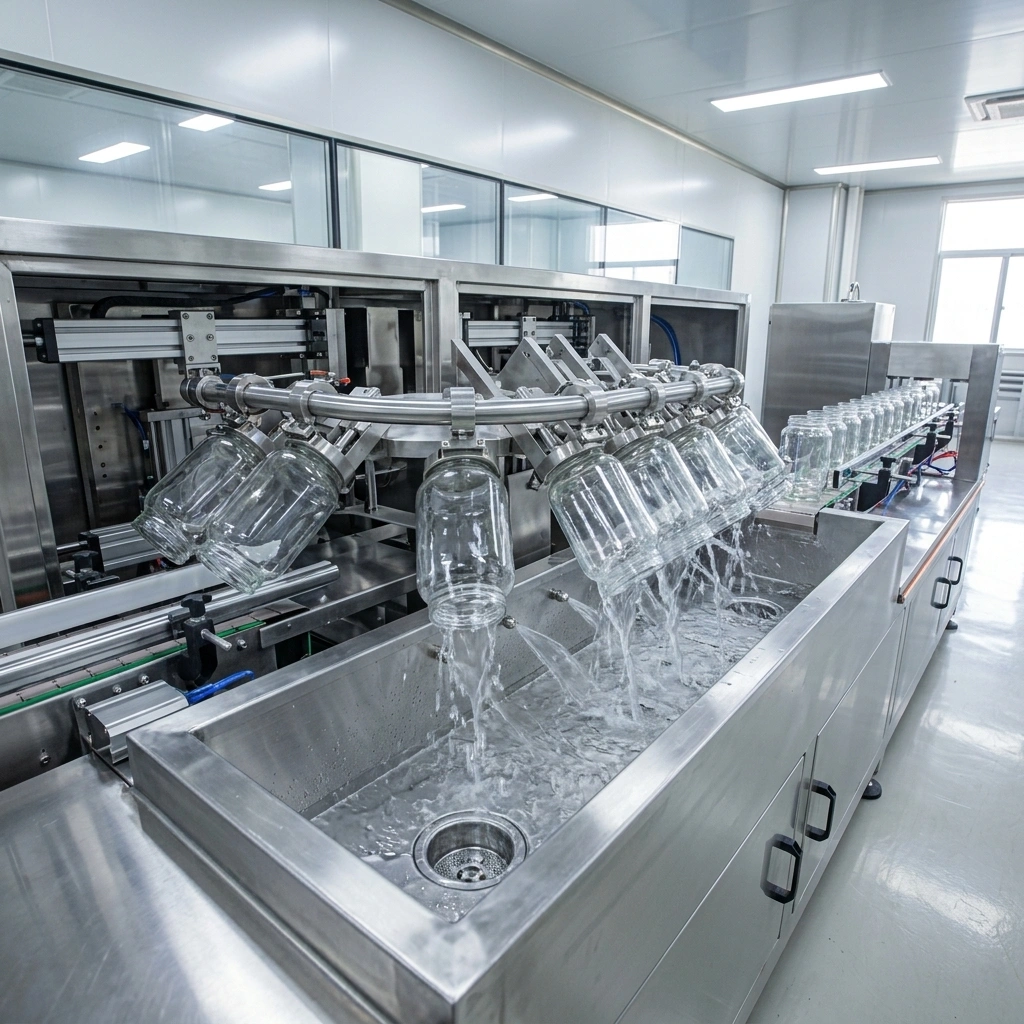
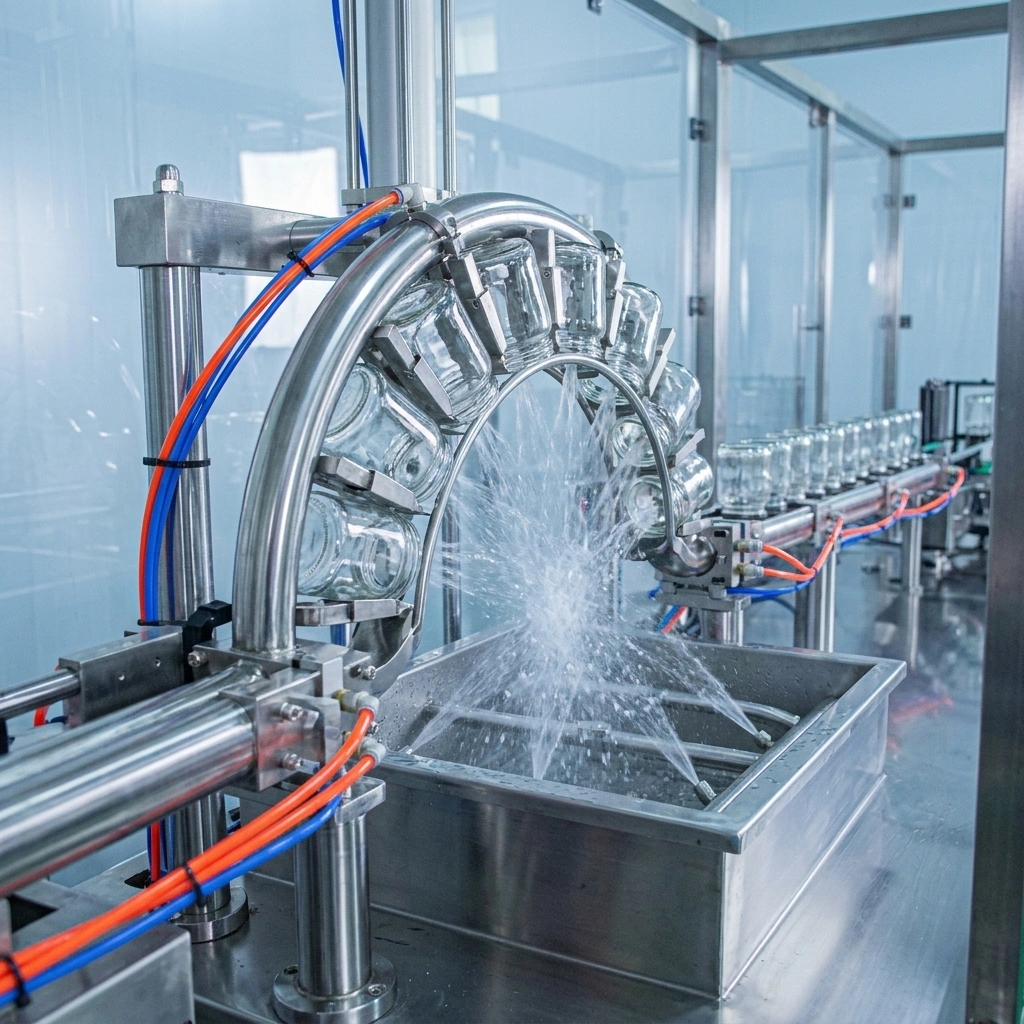
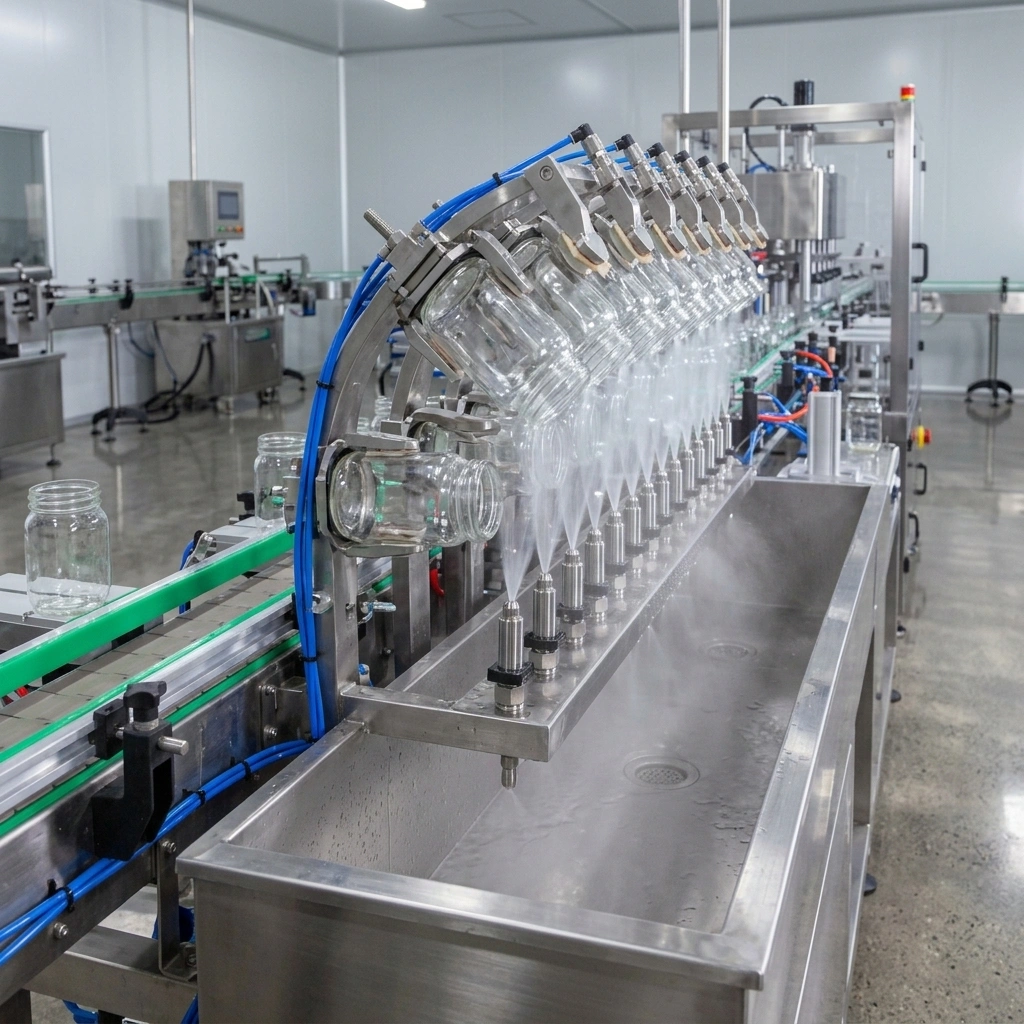
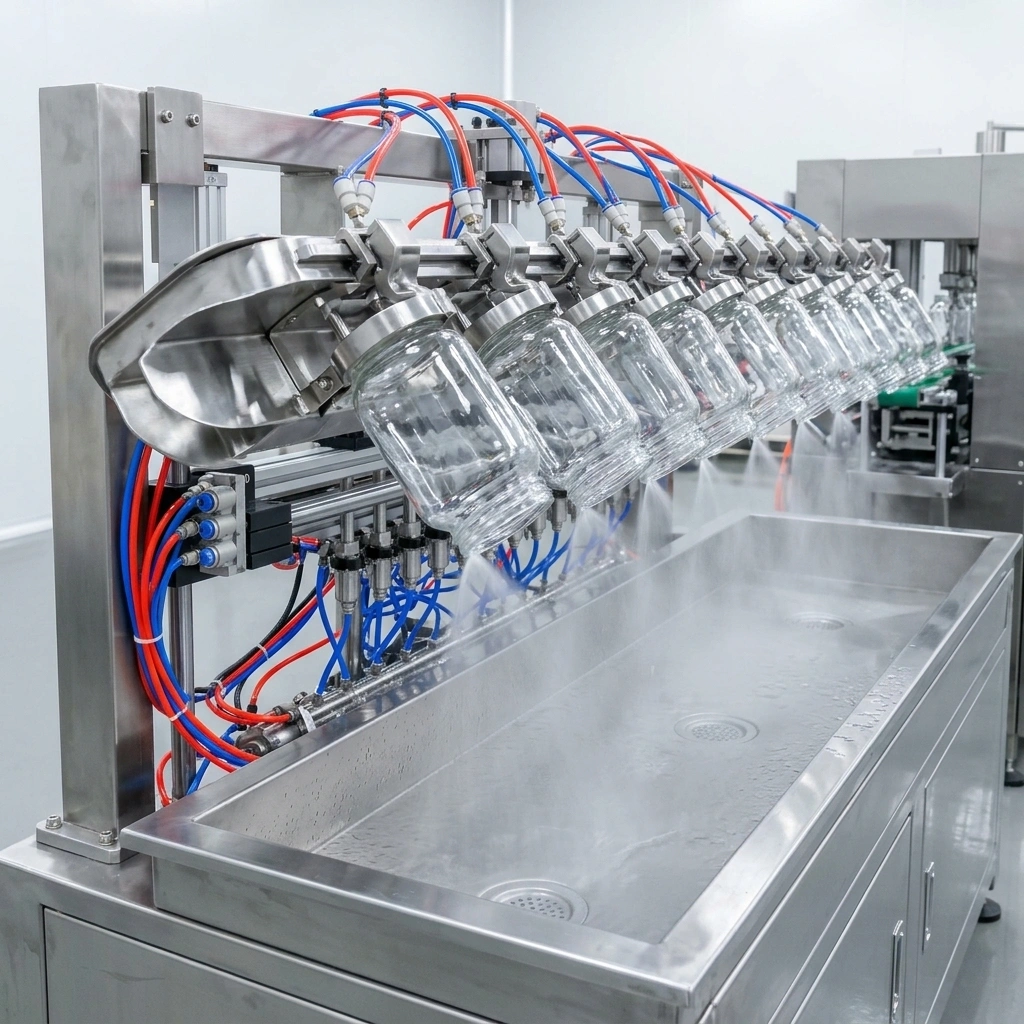
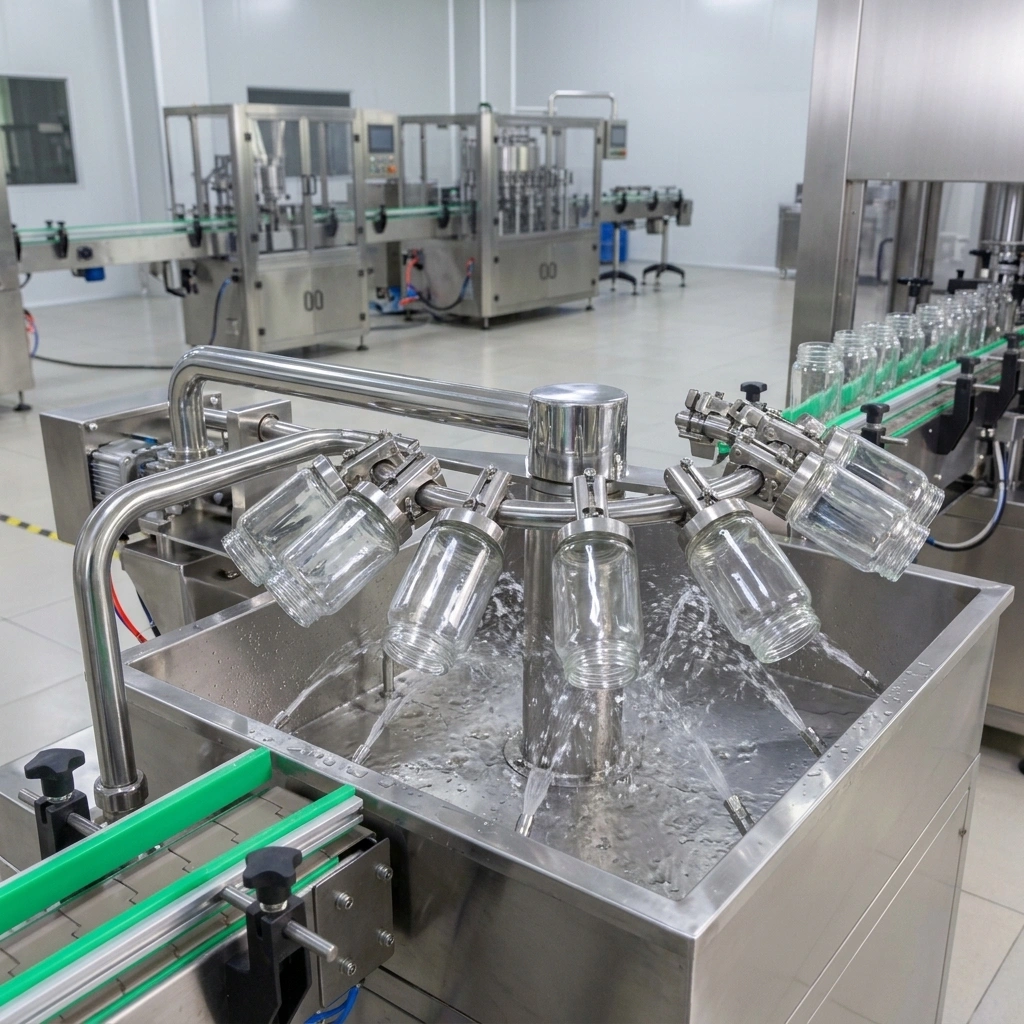
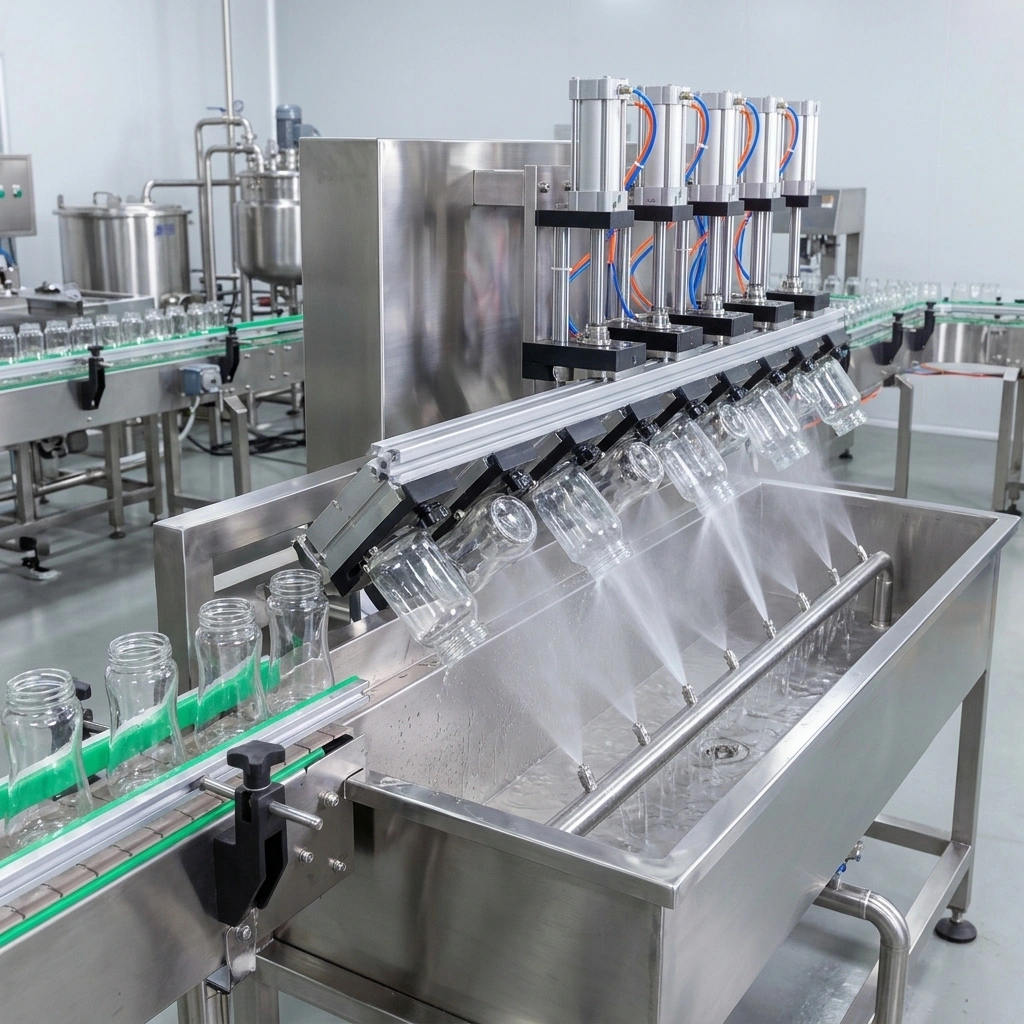
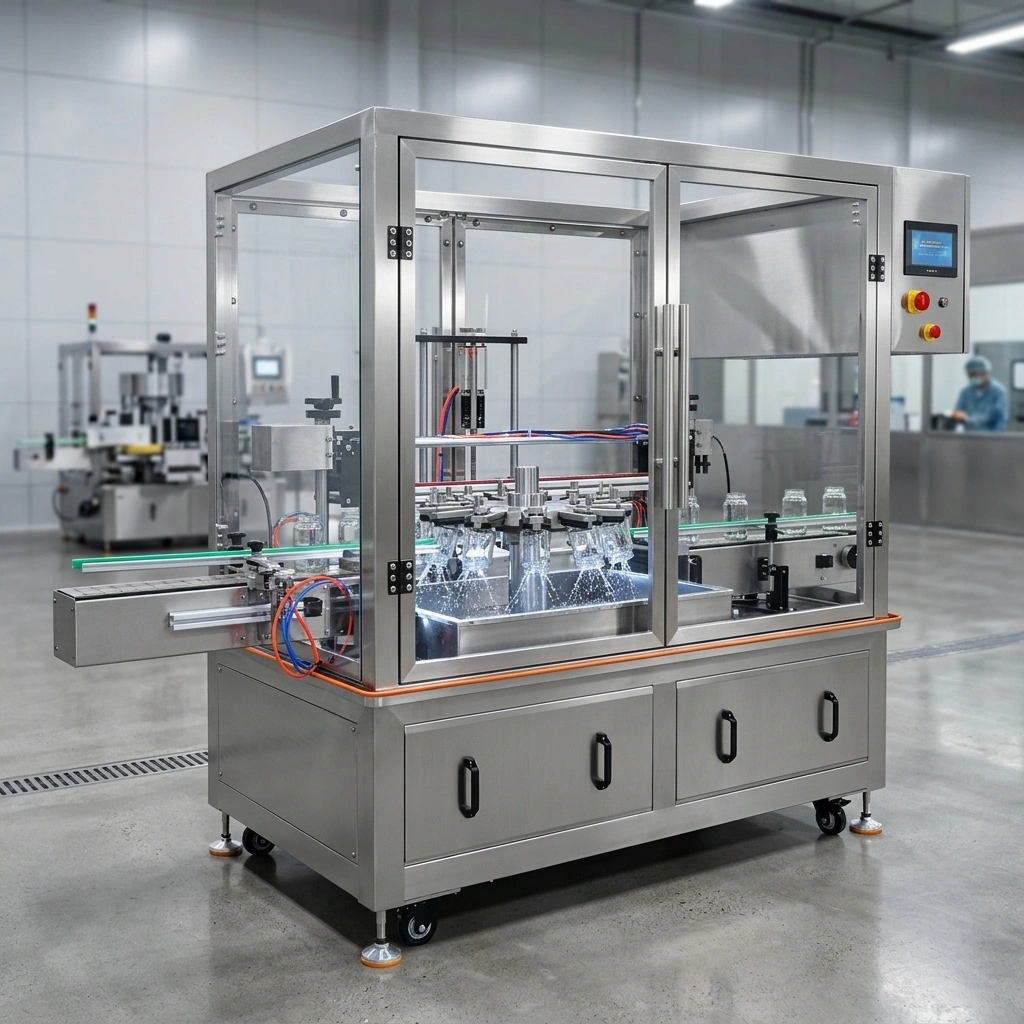
Sub-micron dust, box lint, or tiny glass particles left inside empty jars contaminate food products, violating HACCP and food safety standards.
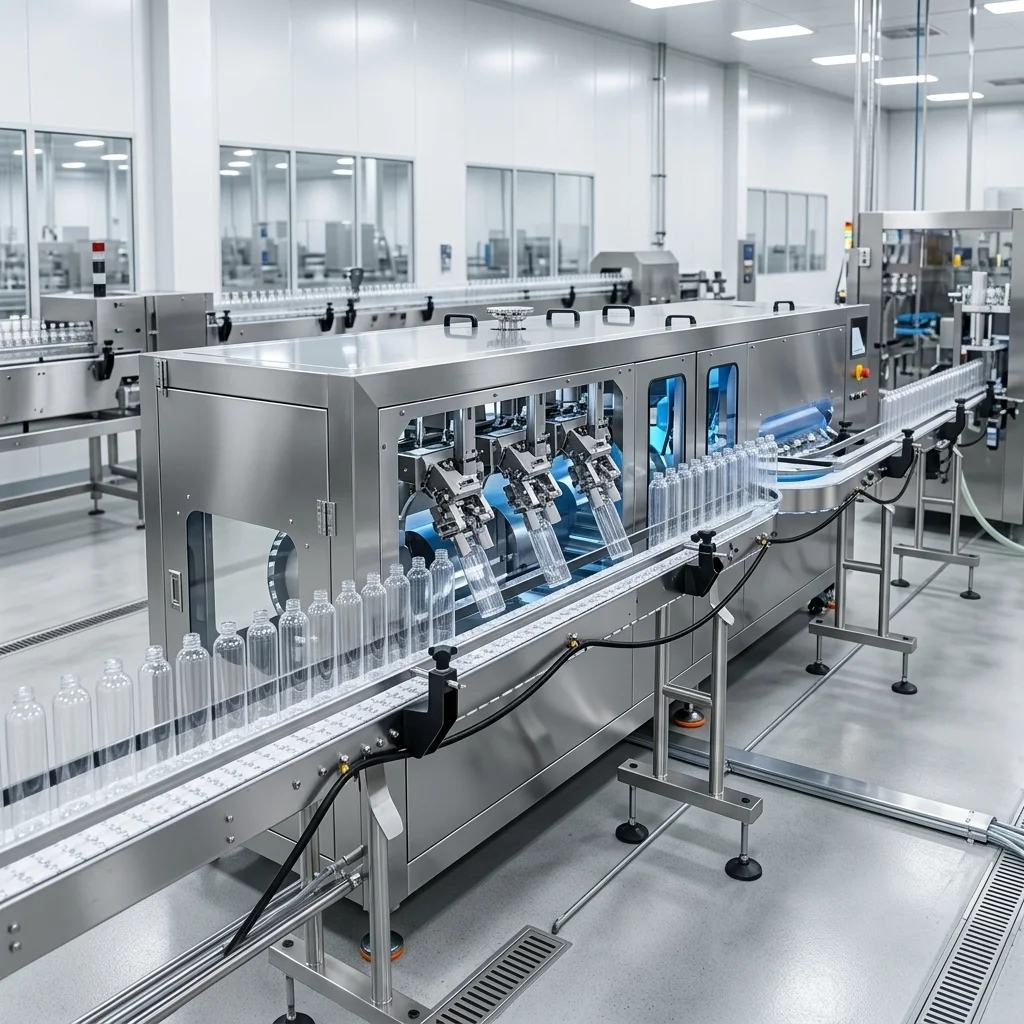
Tunnel Bottle Dryer operational video: demonstrating real-world tomato paste process stability.
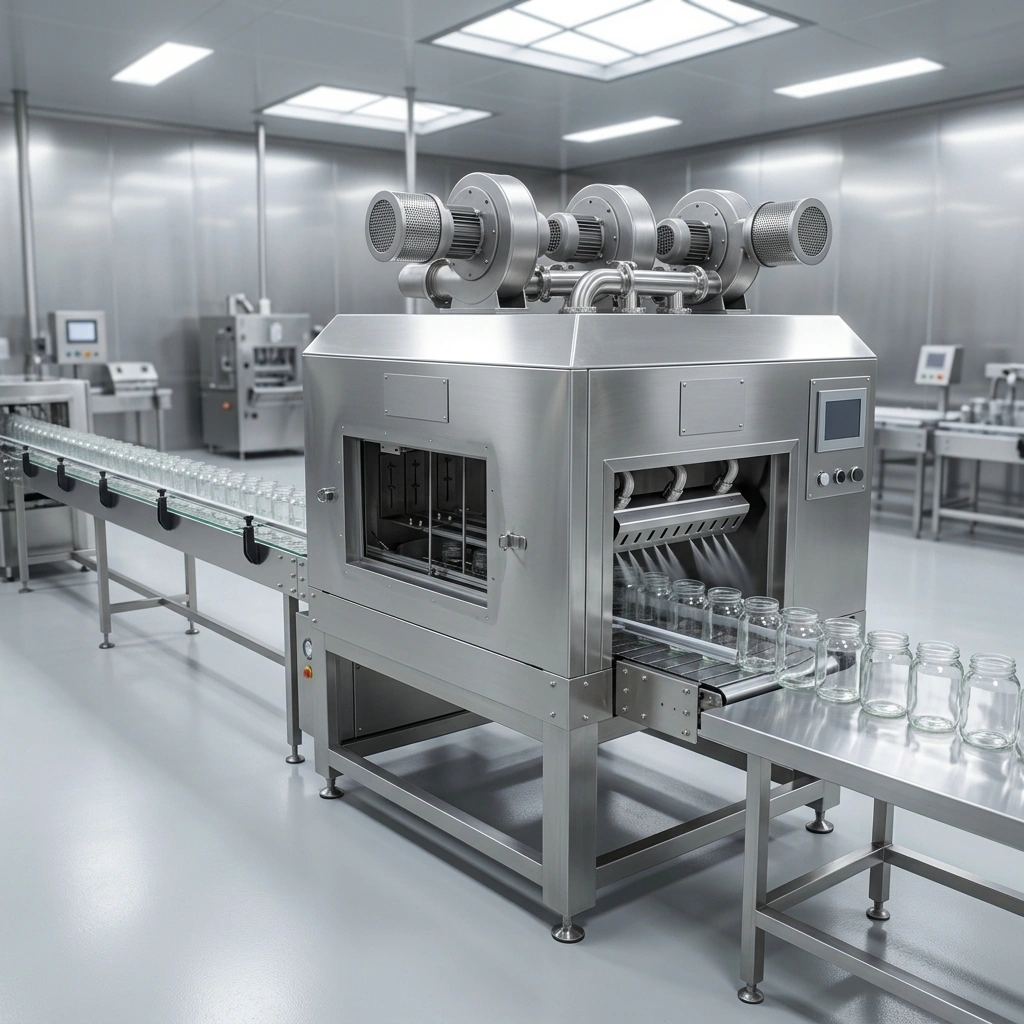
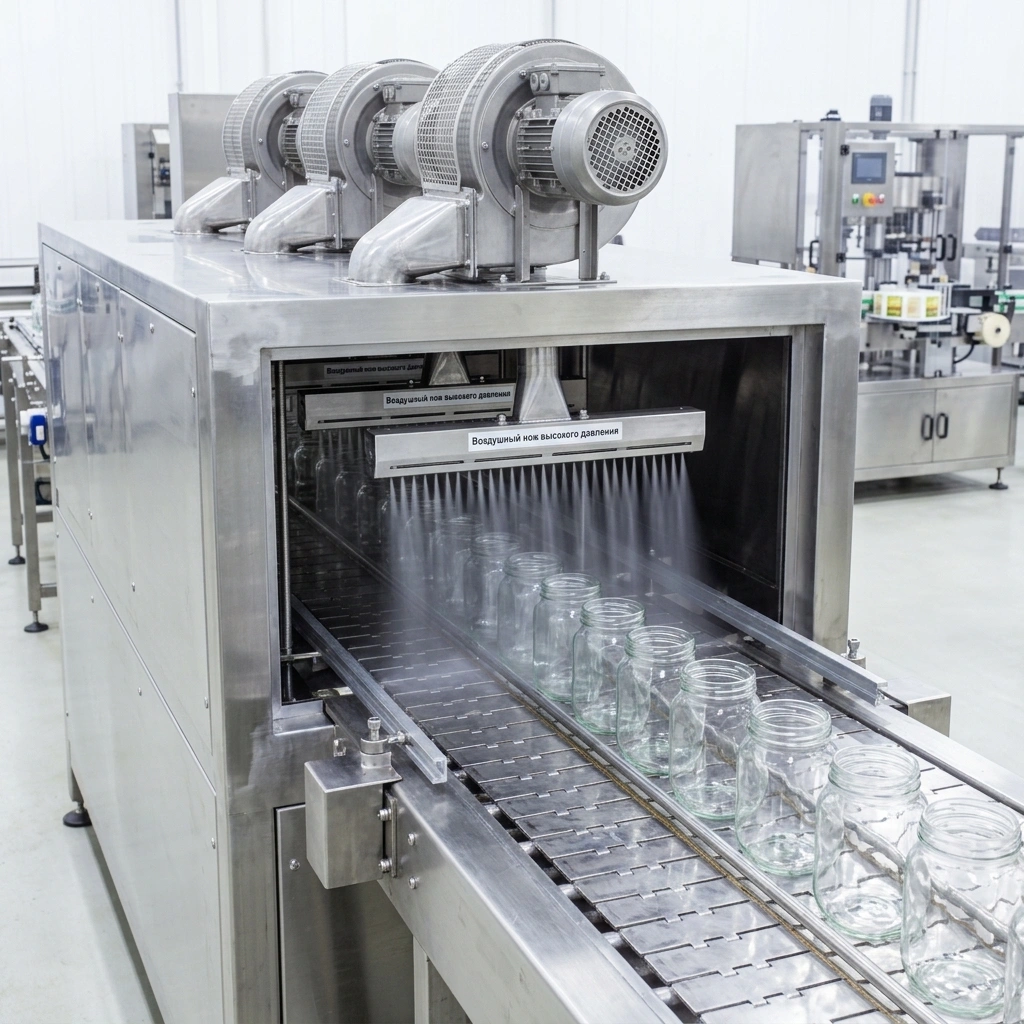
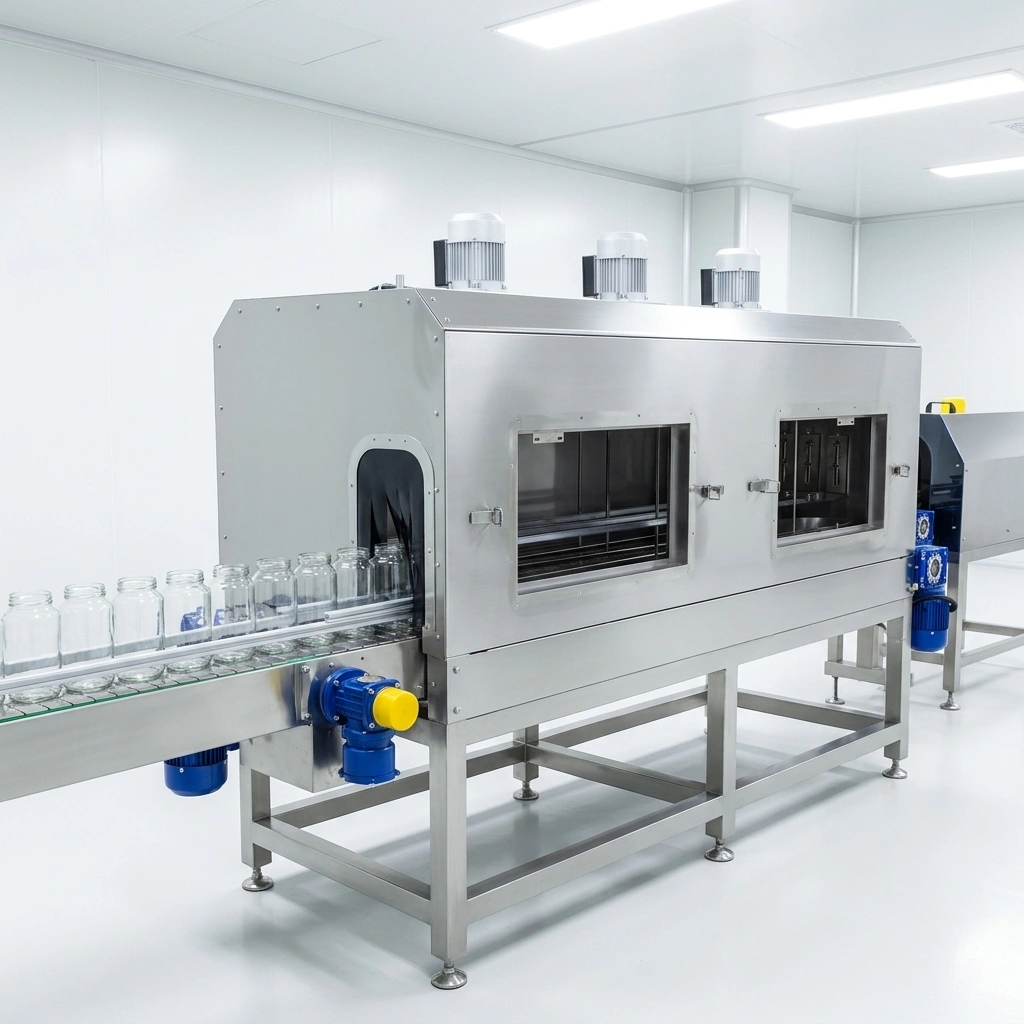
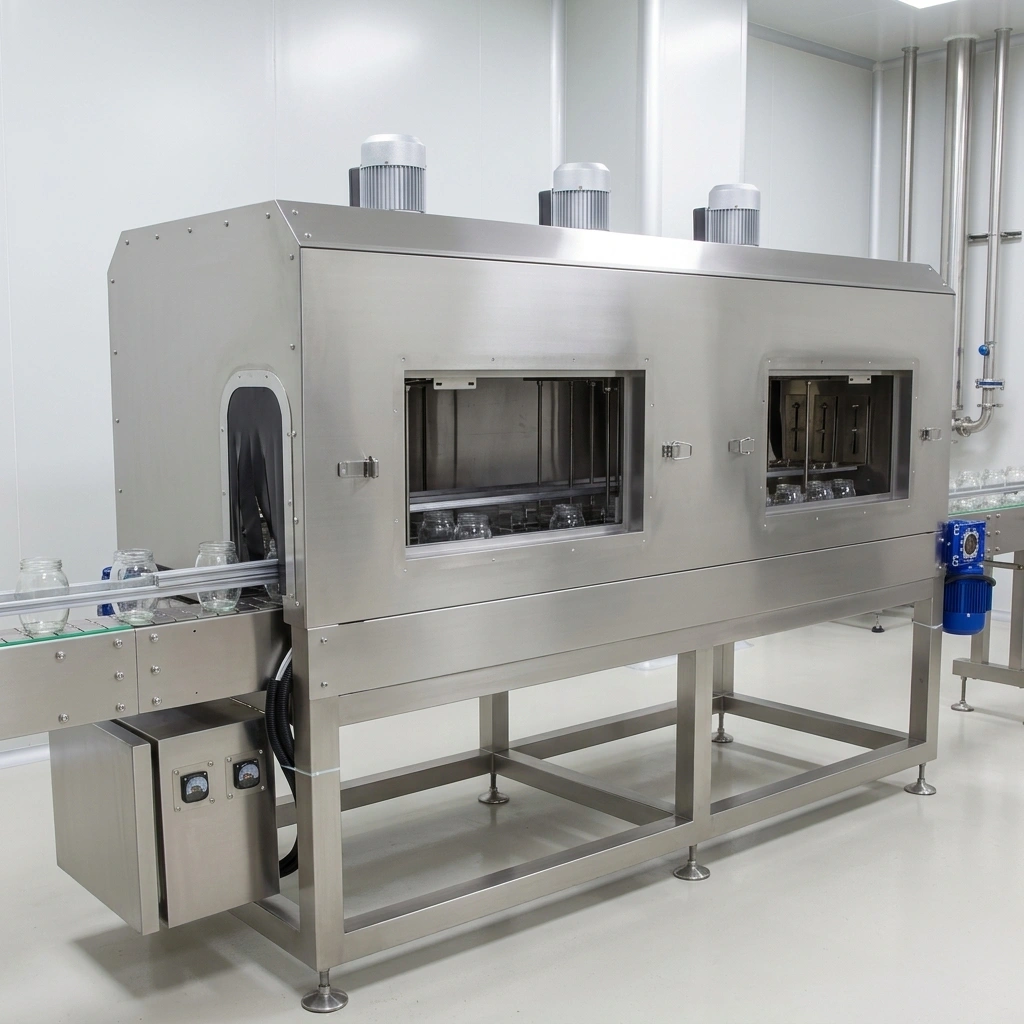
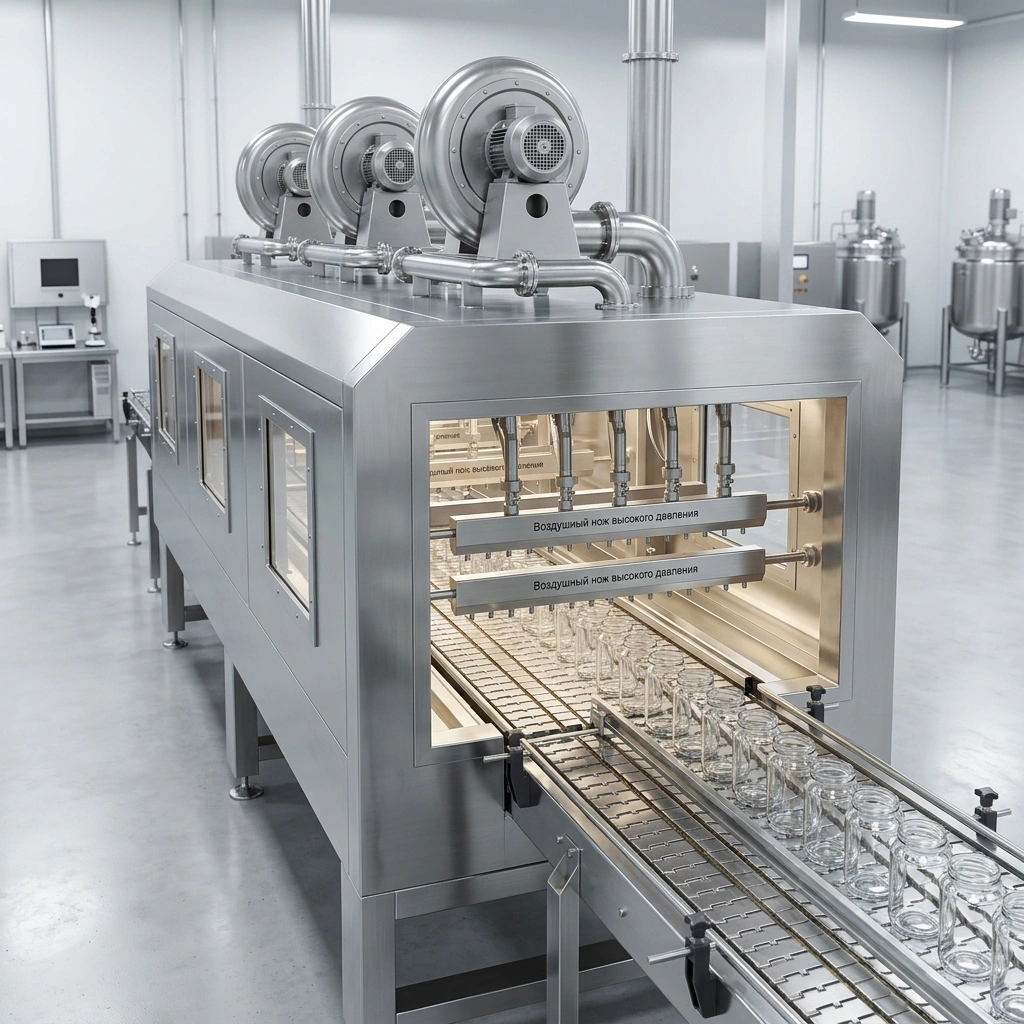
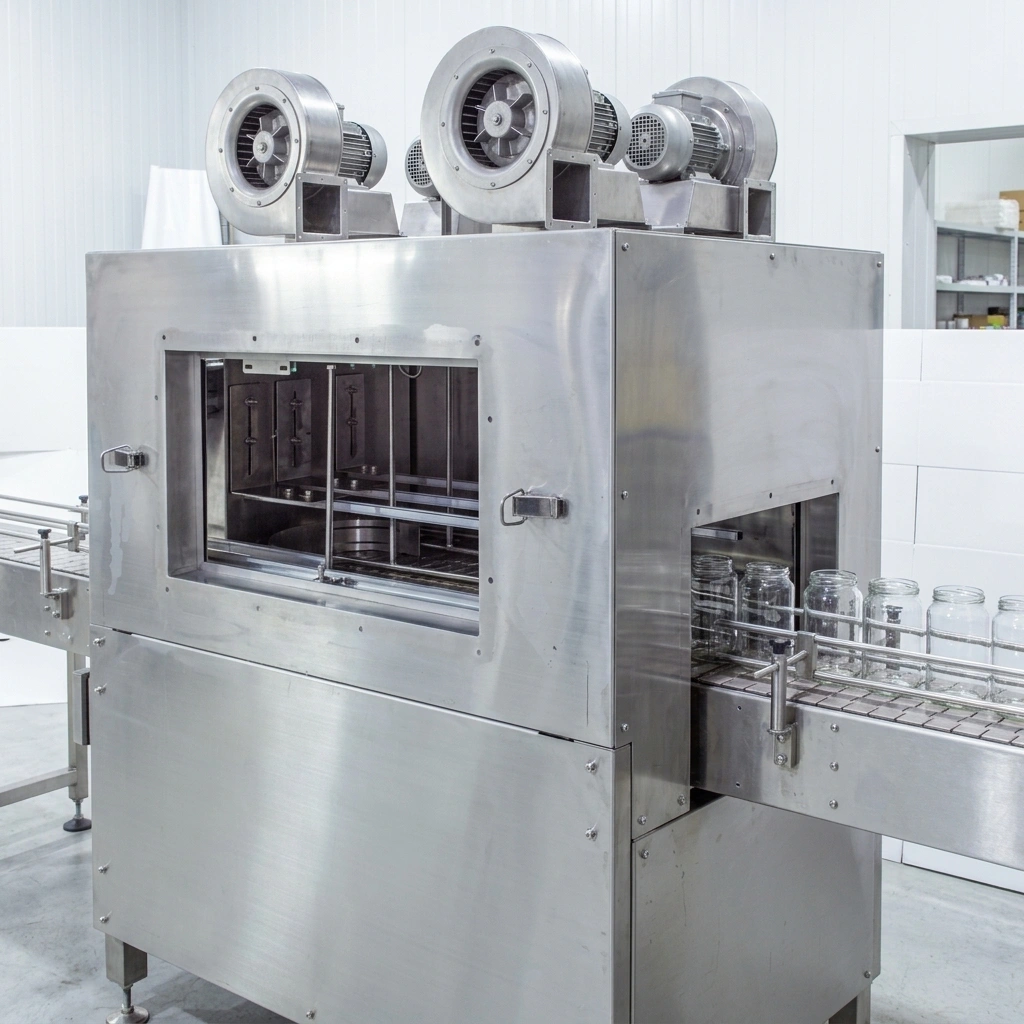
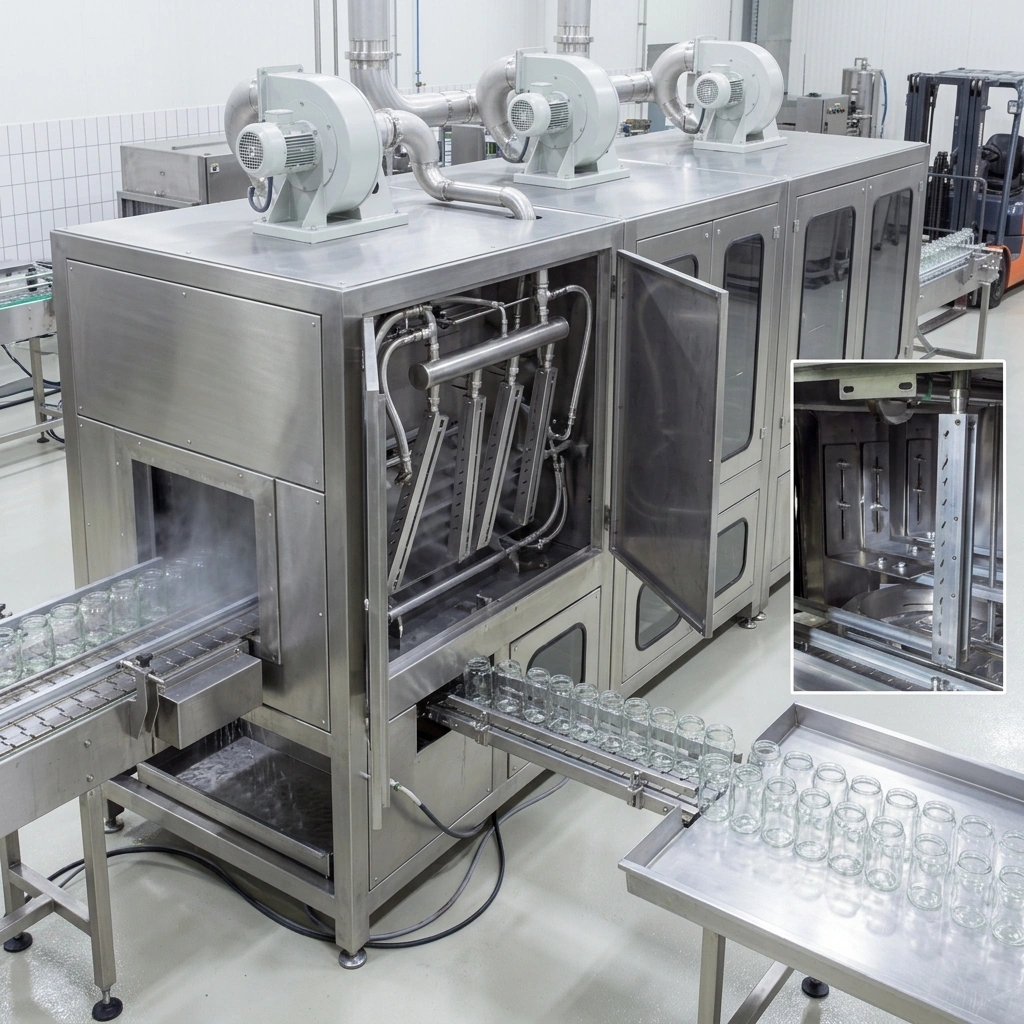
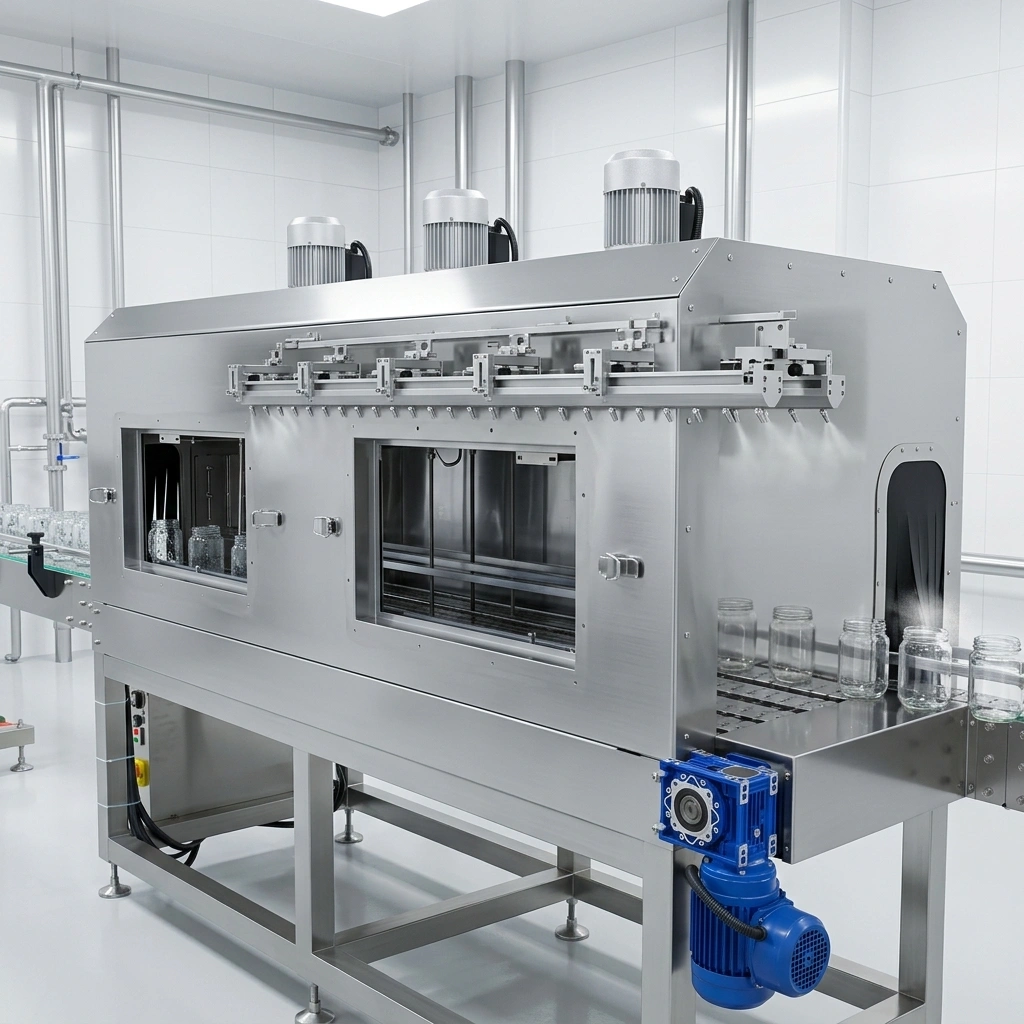
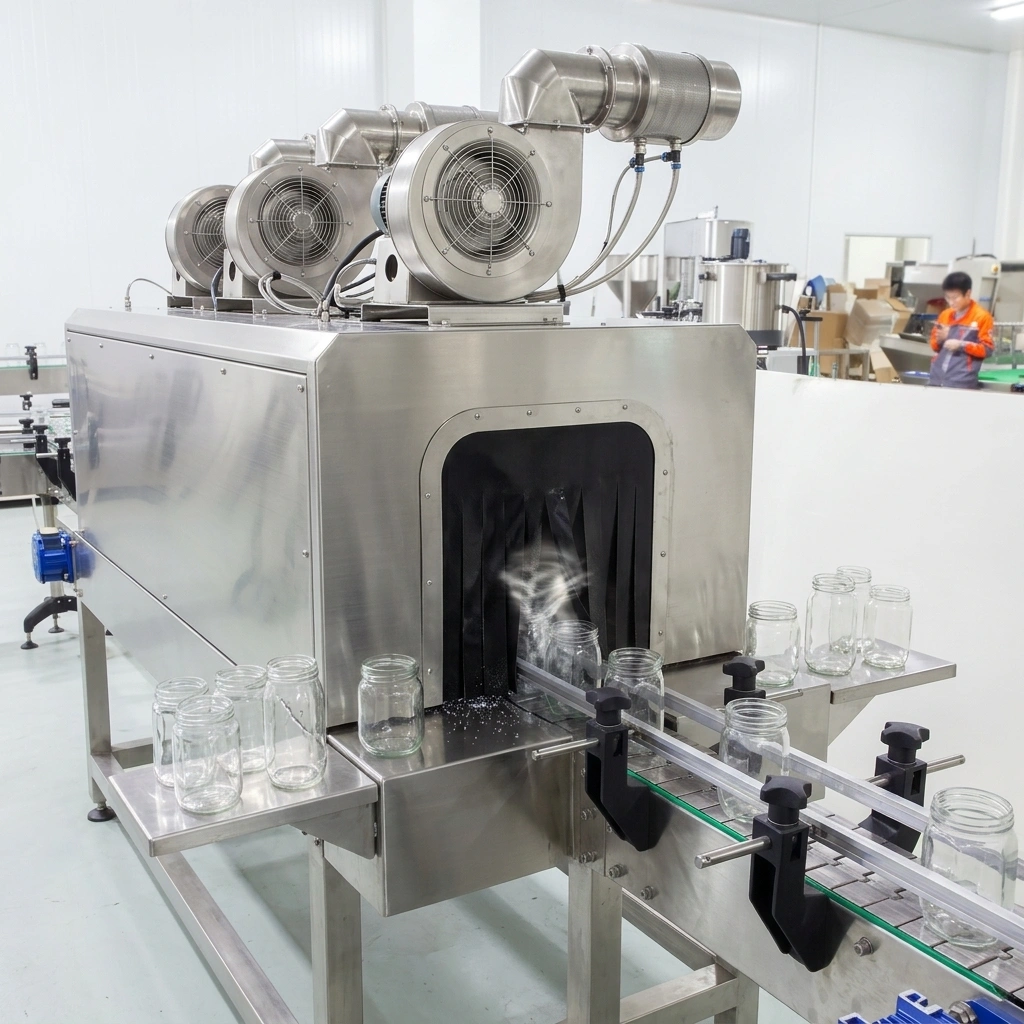
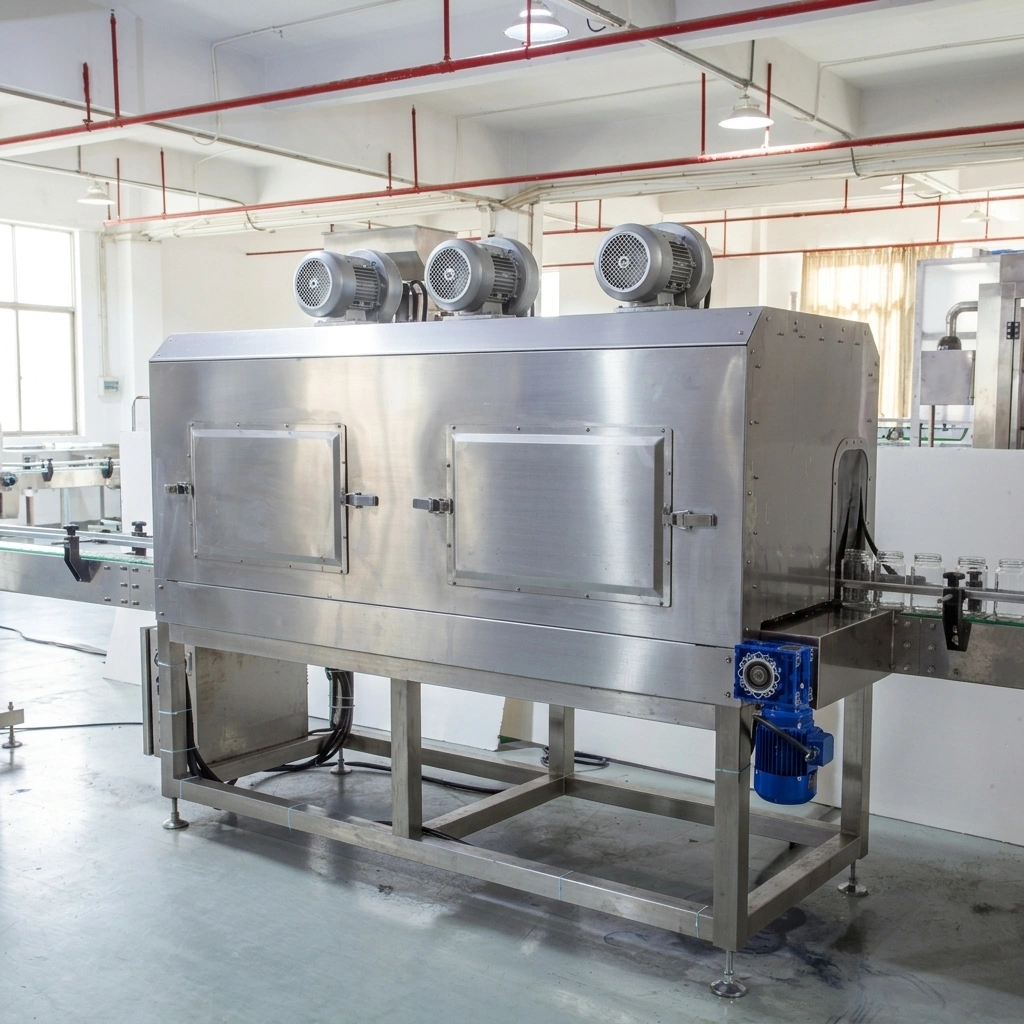
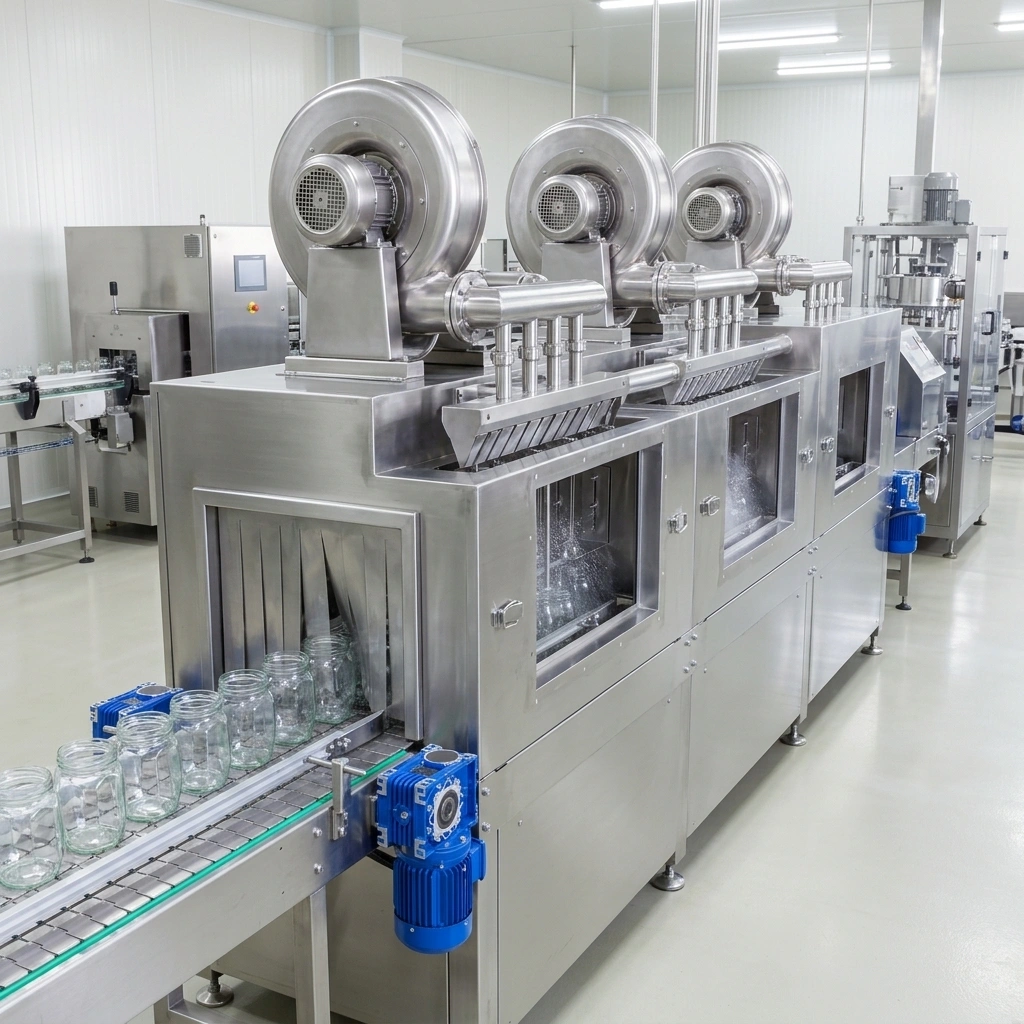
Static electricity on plastic containers causes dust to cling tightly to the bottle walls, resisting basic gravity rinsing.
Servo piston filling nozzles dosing hot tomato paste into wide-mouth glass jars without dripping.
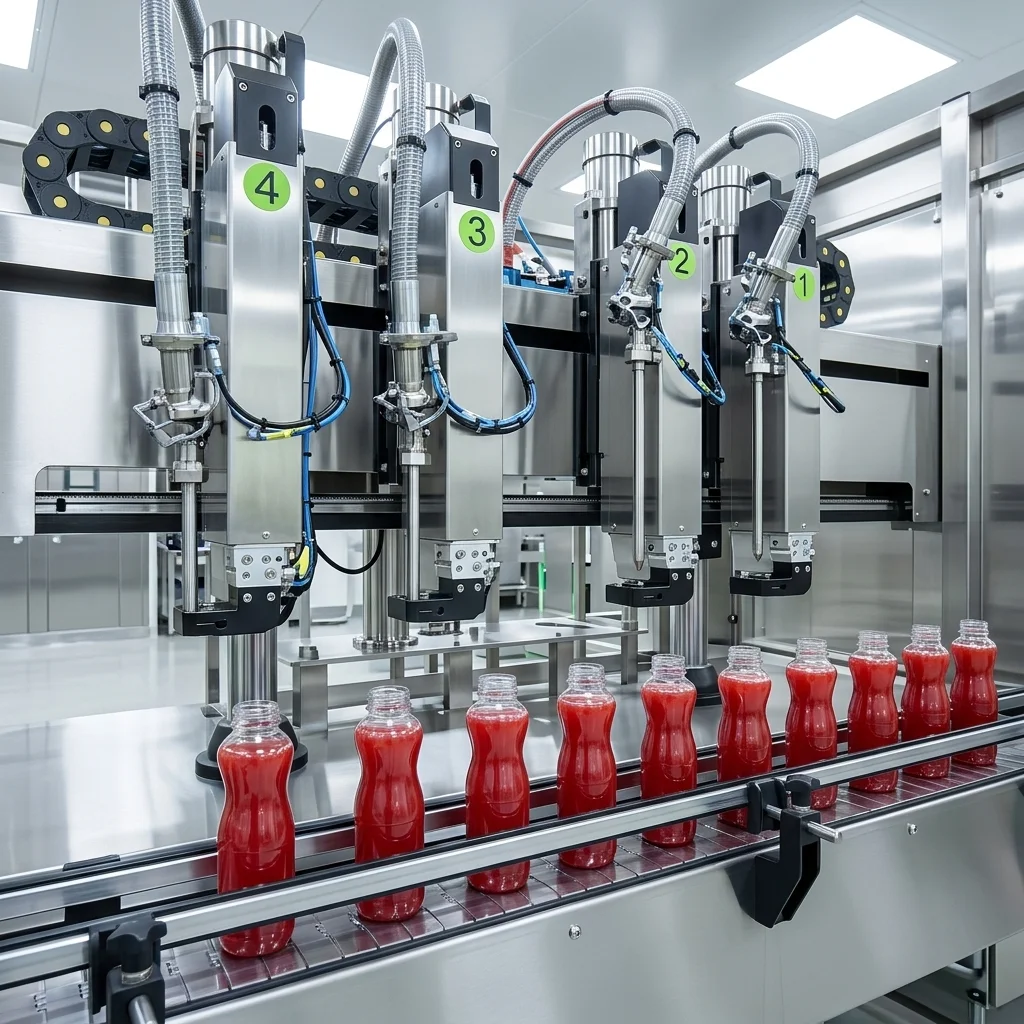
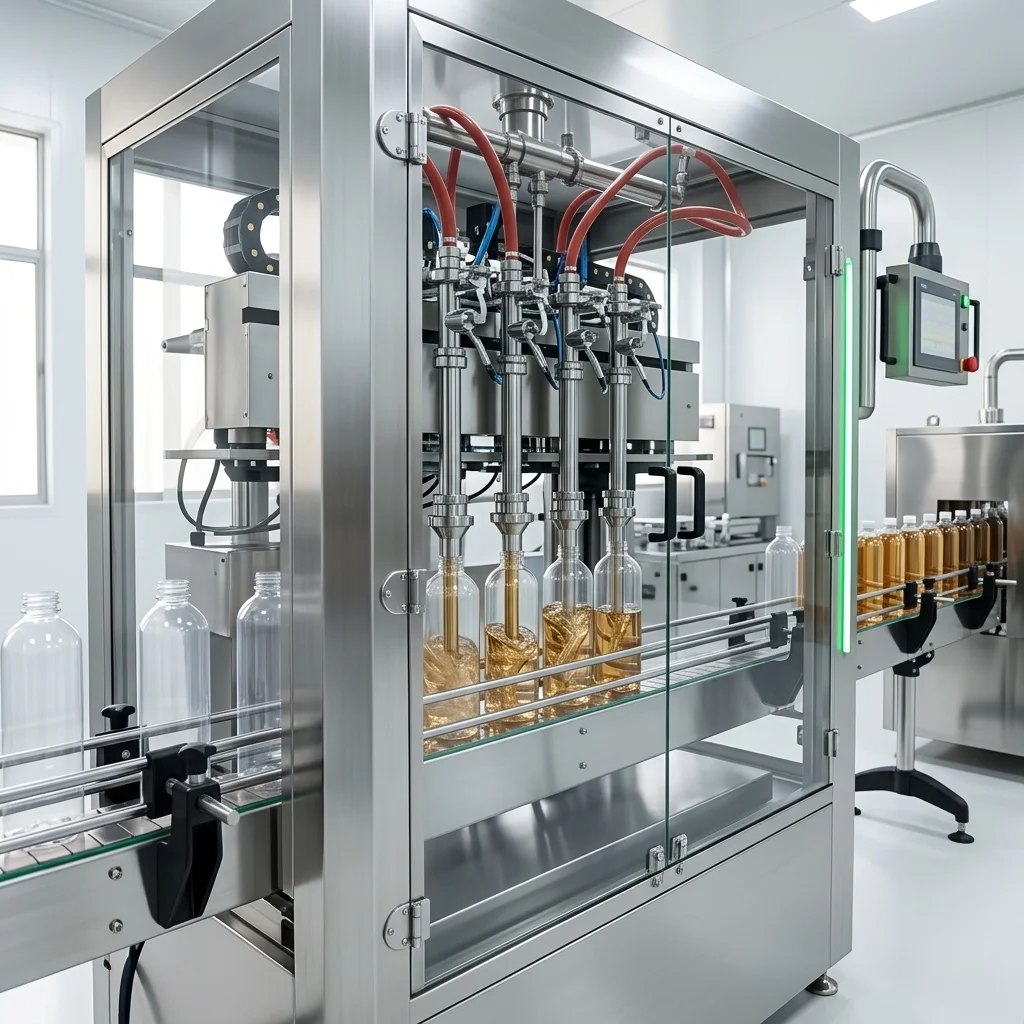
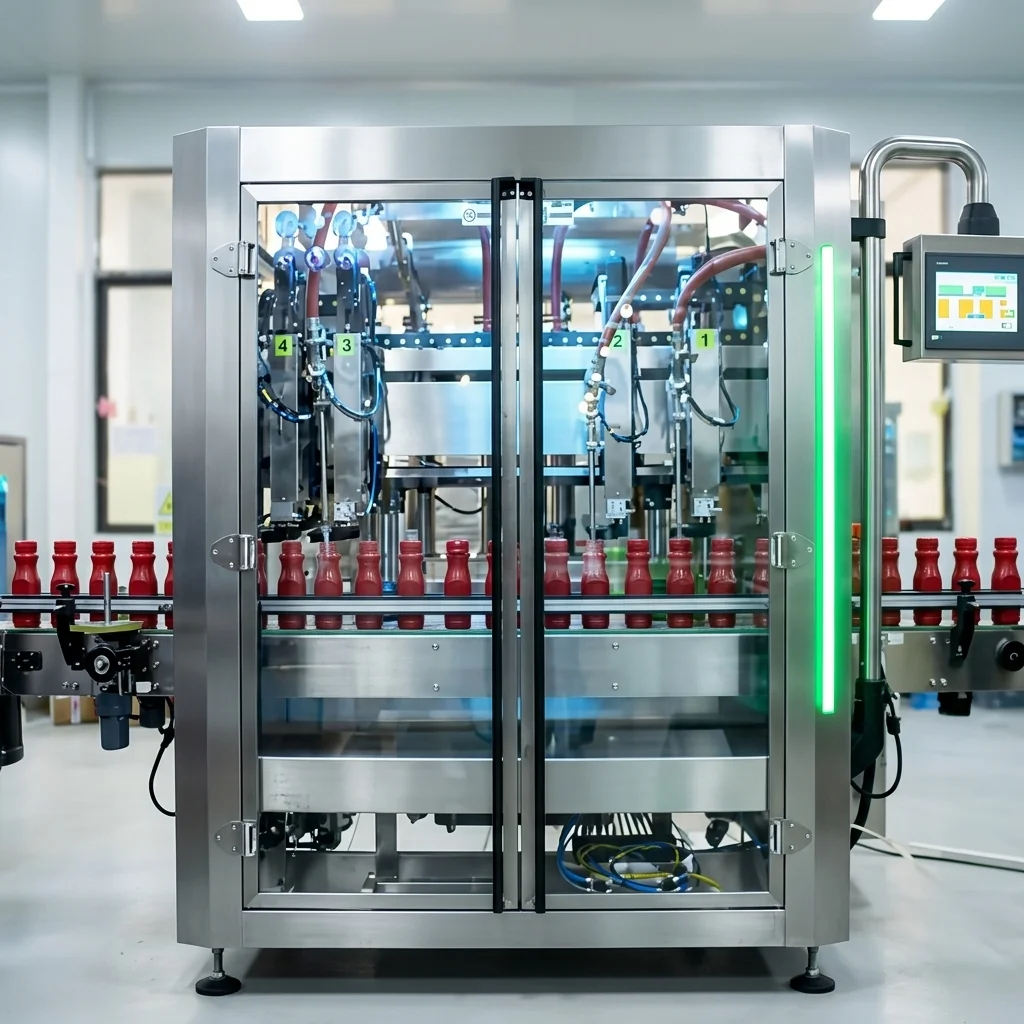
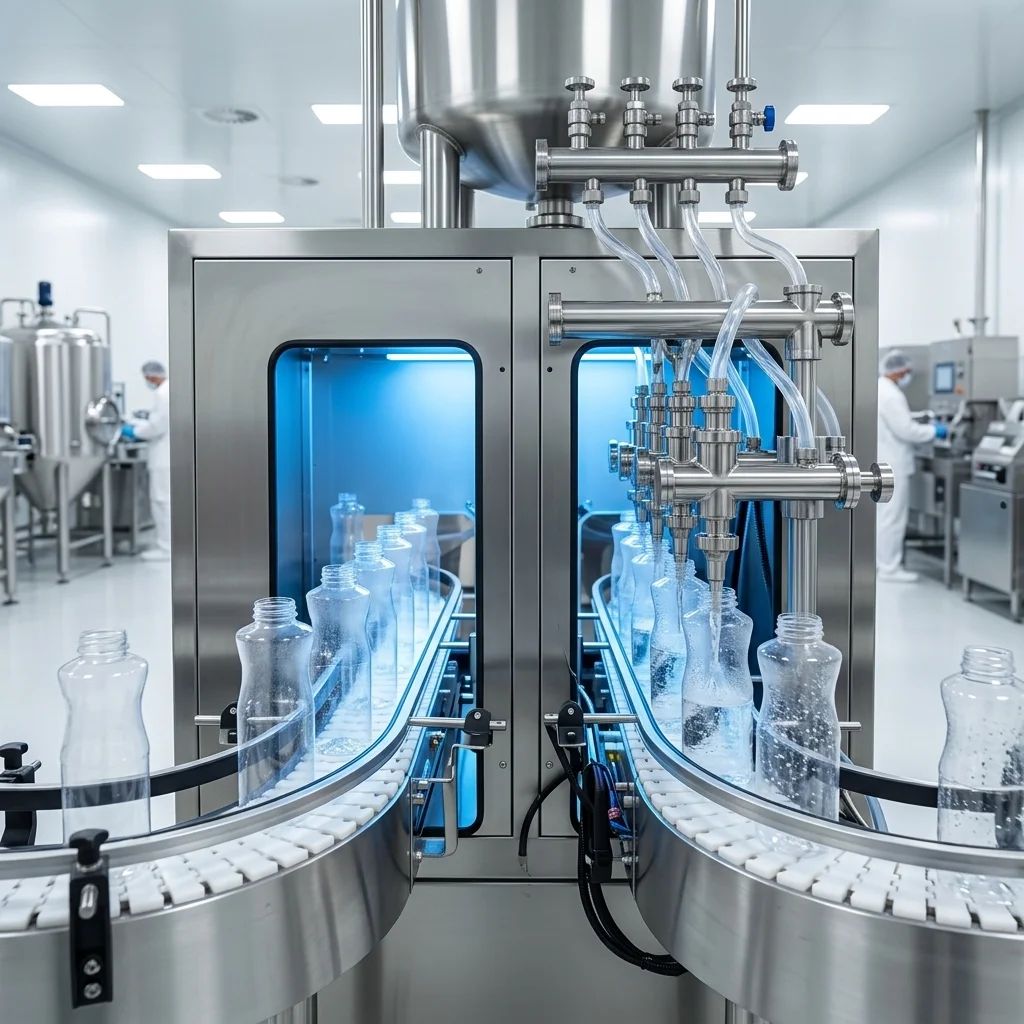
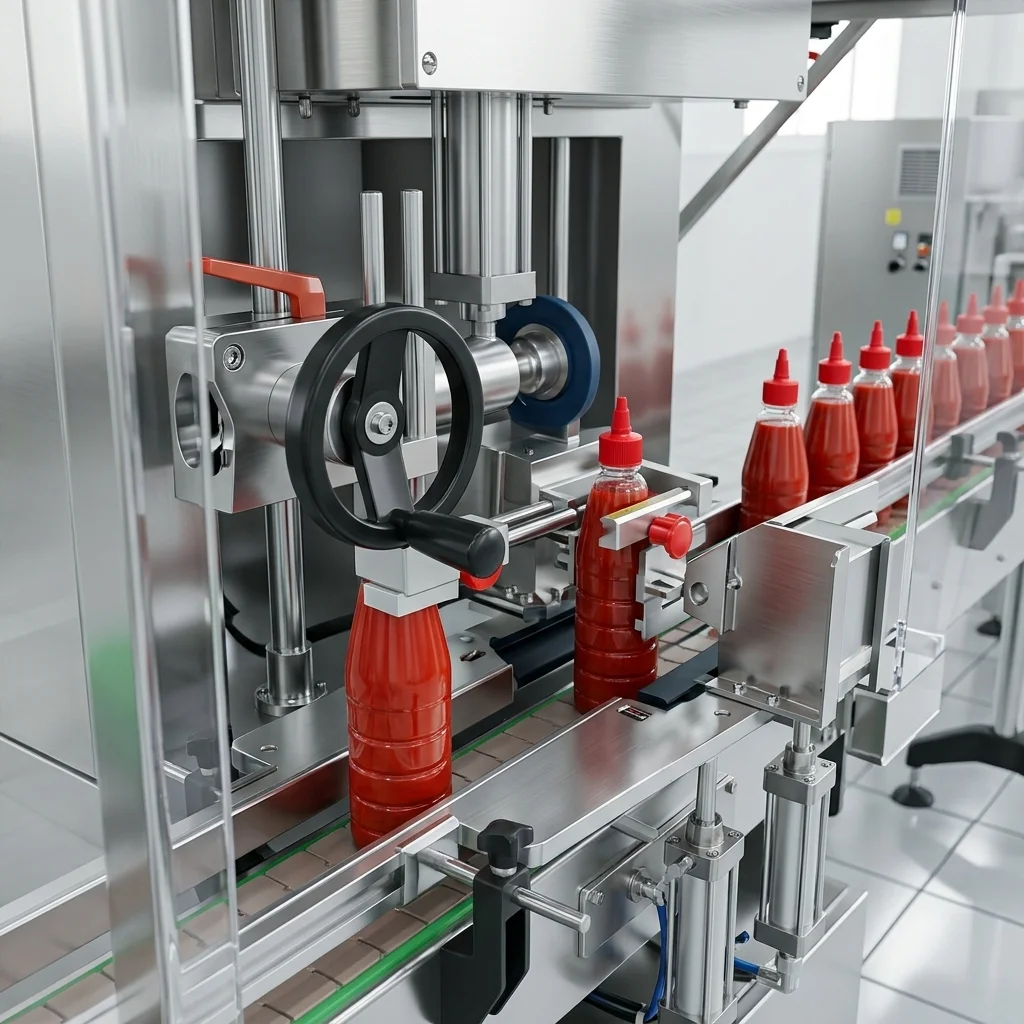
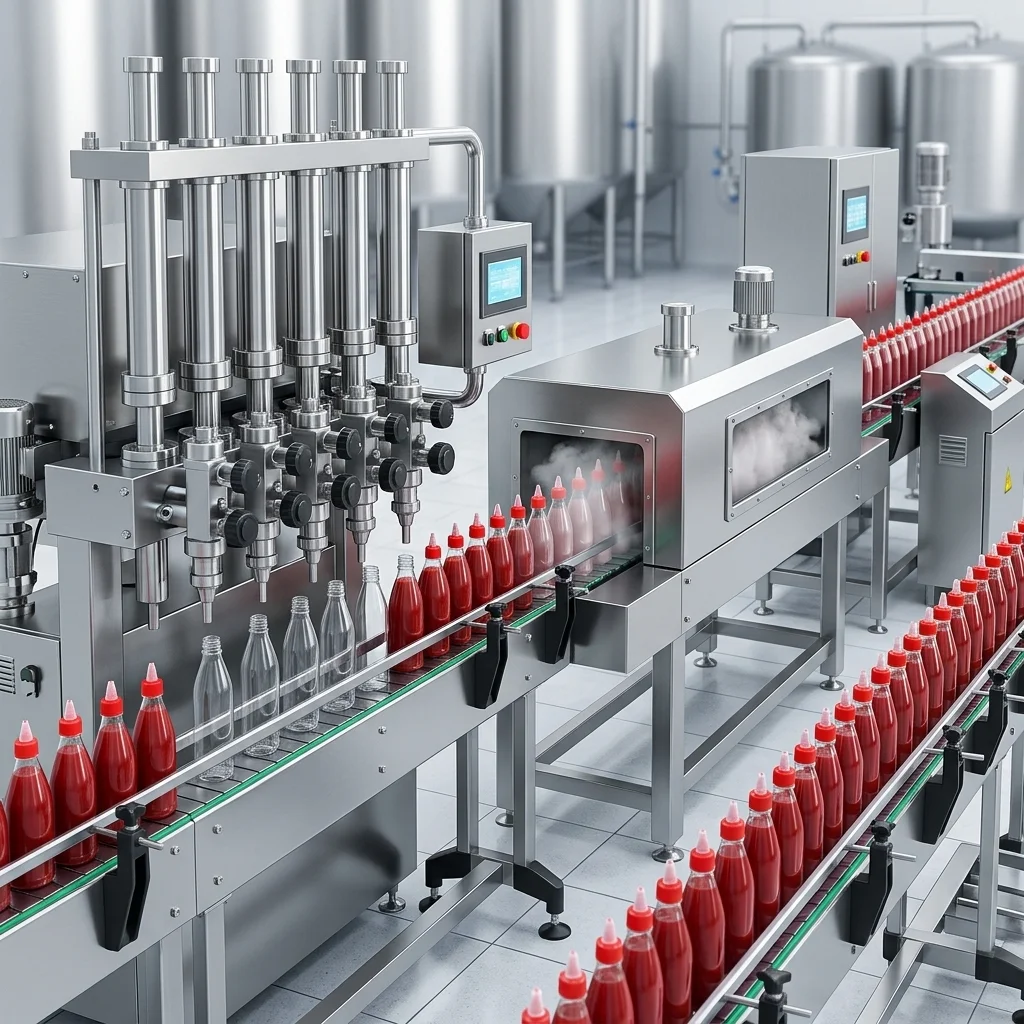
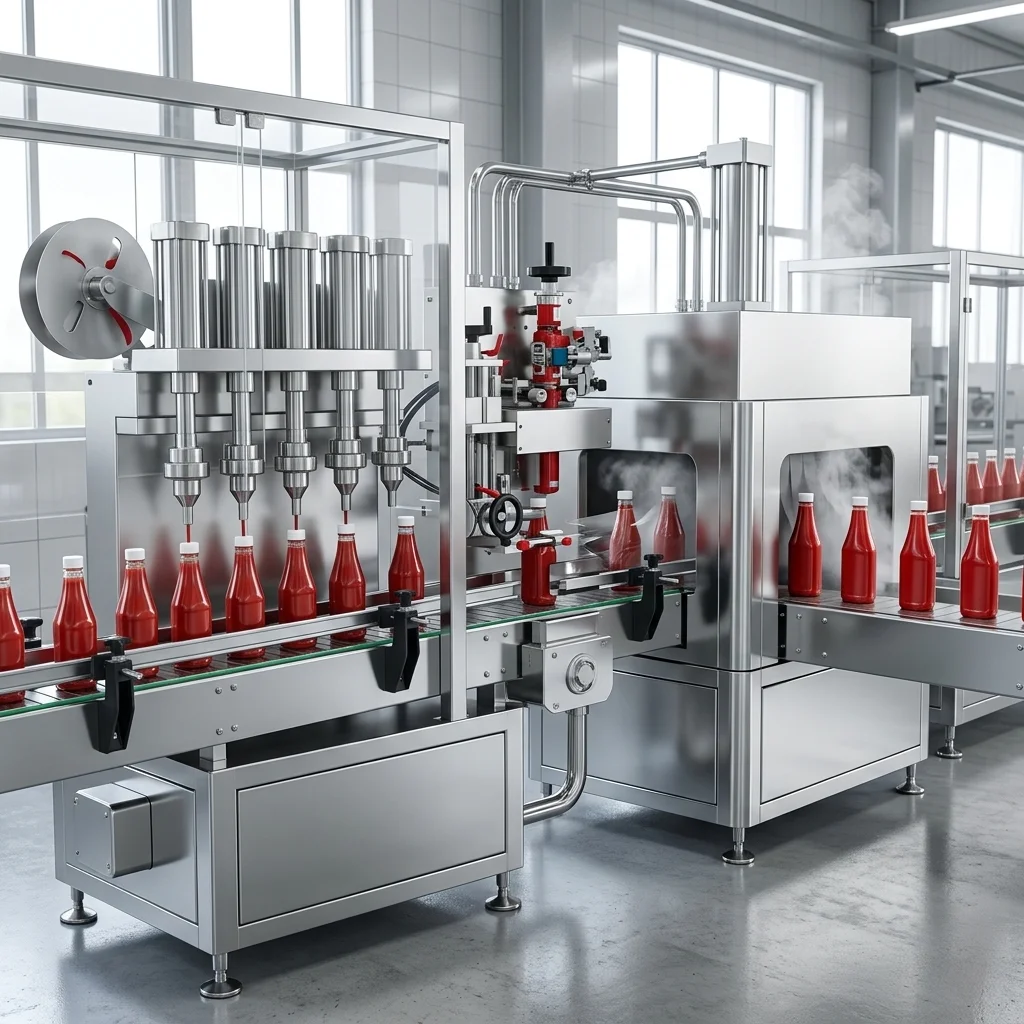
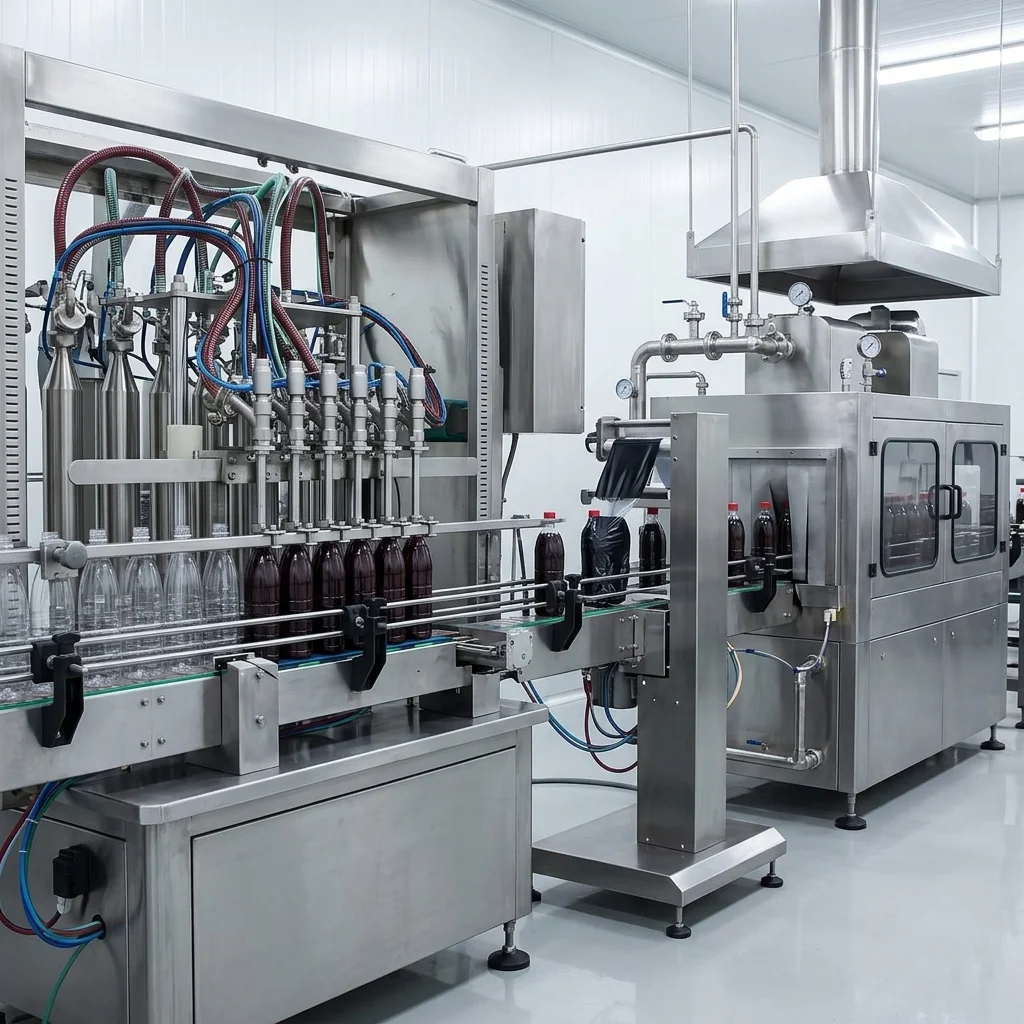
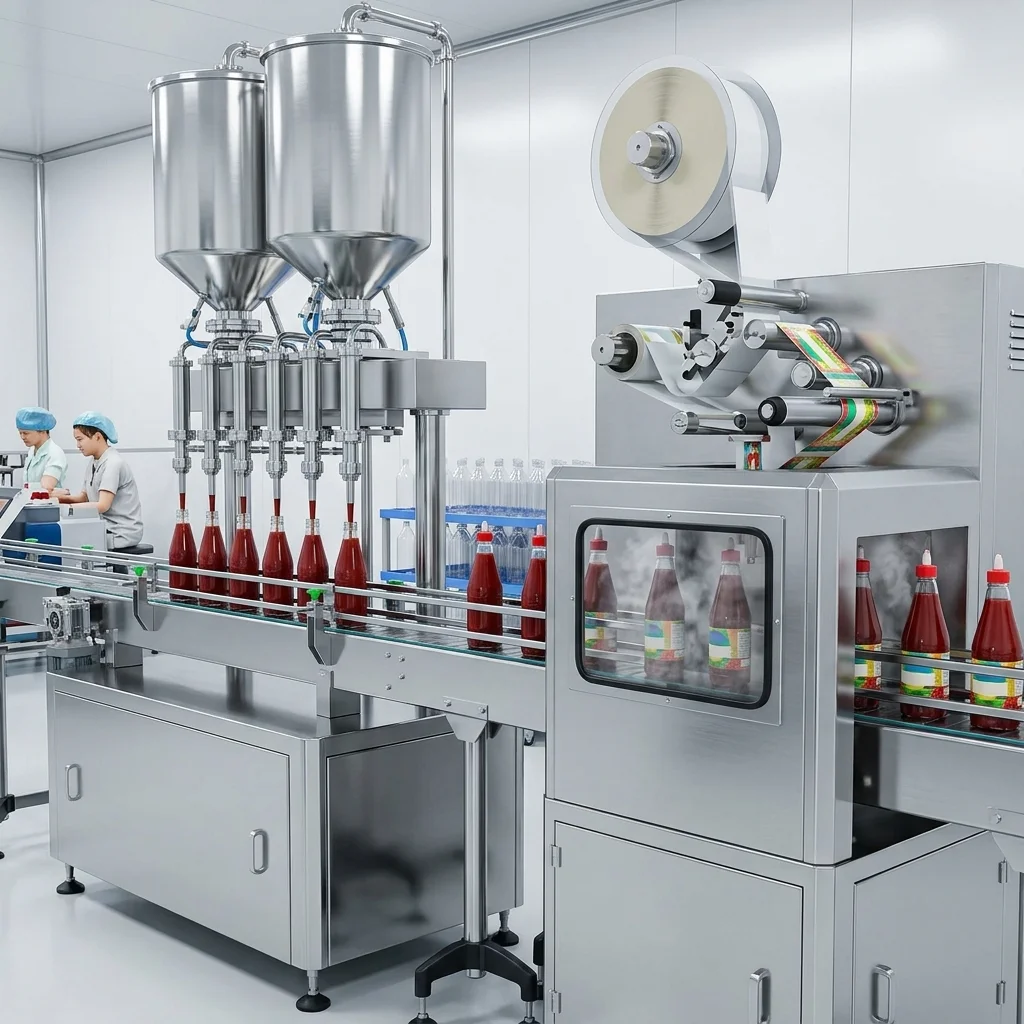

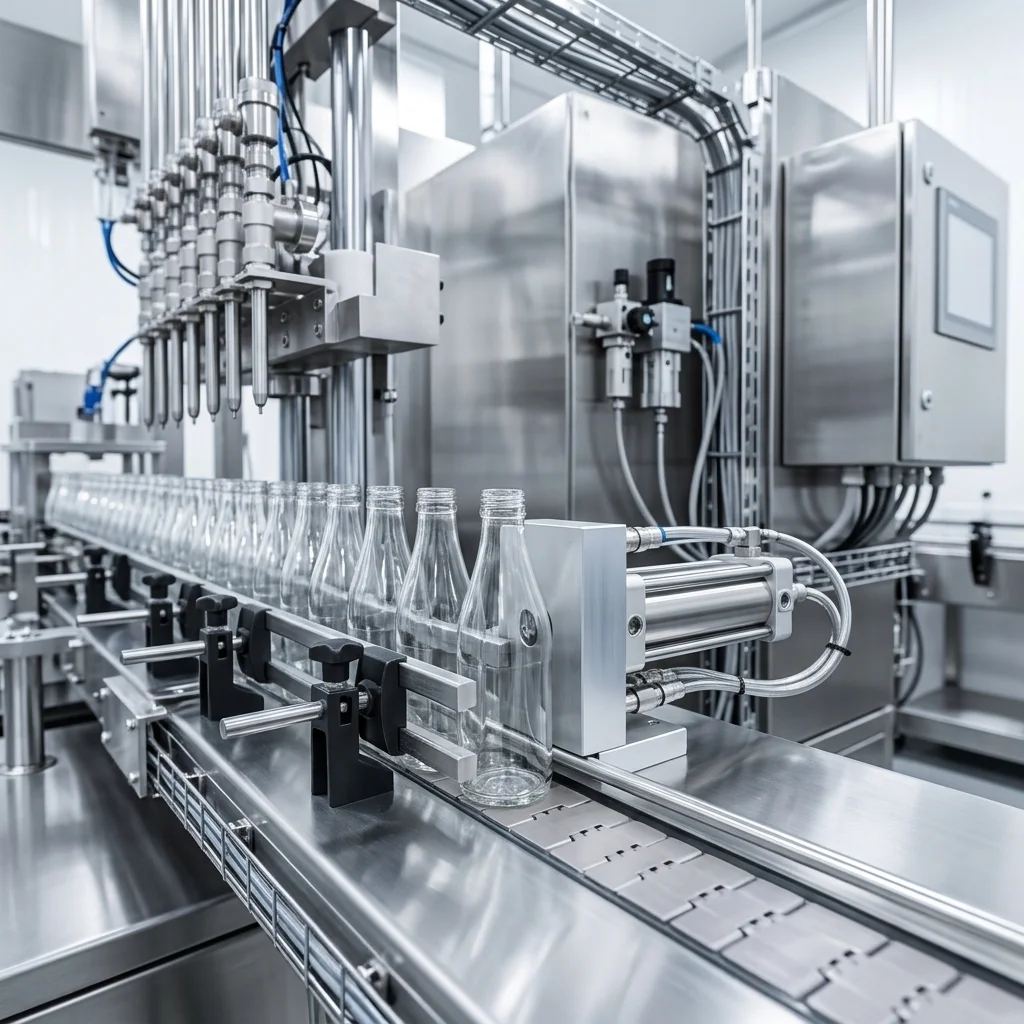
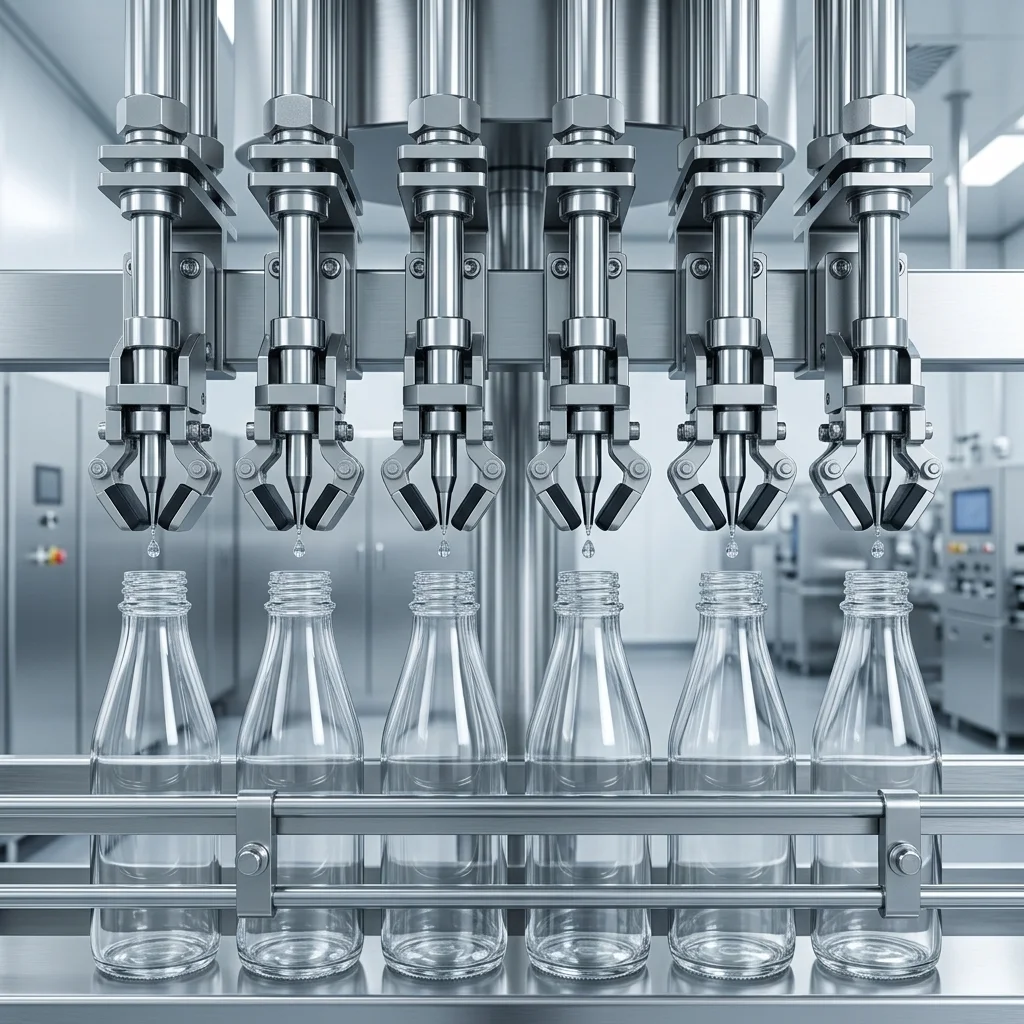
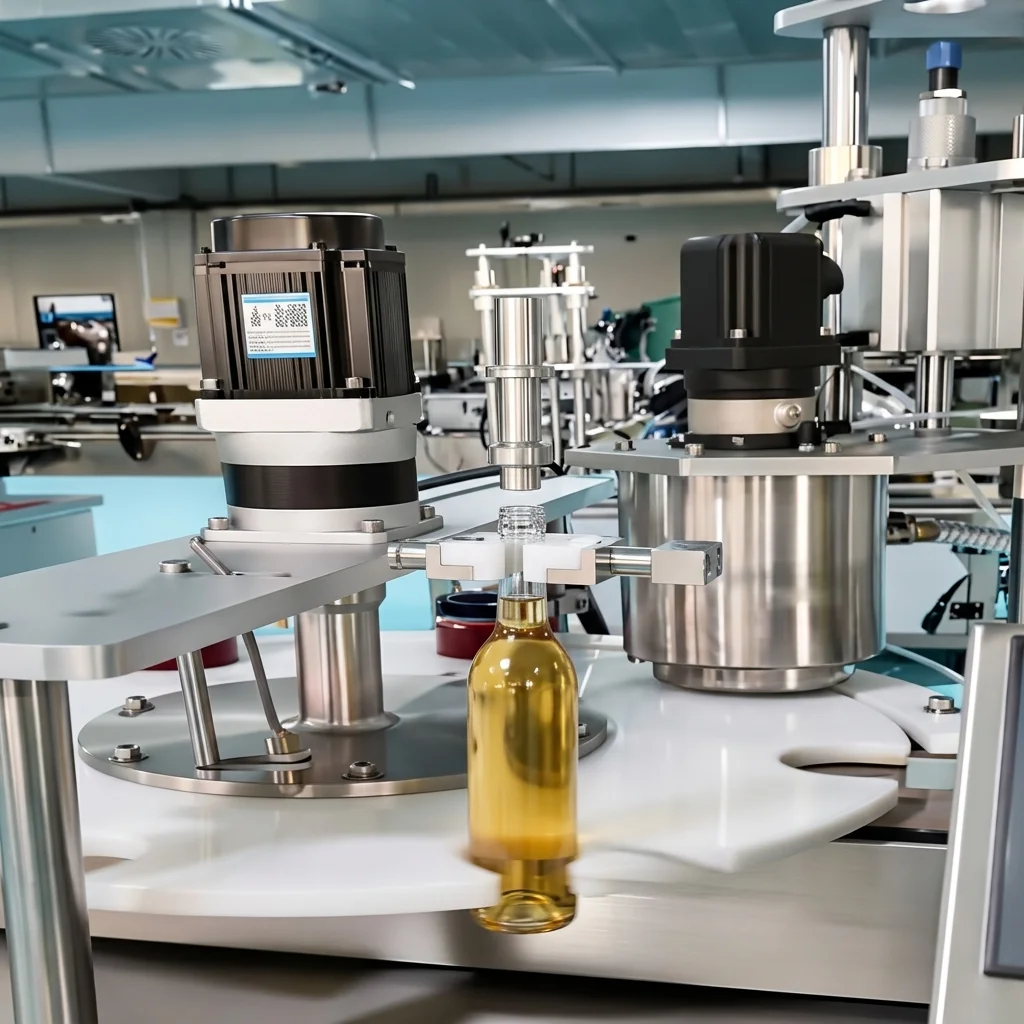
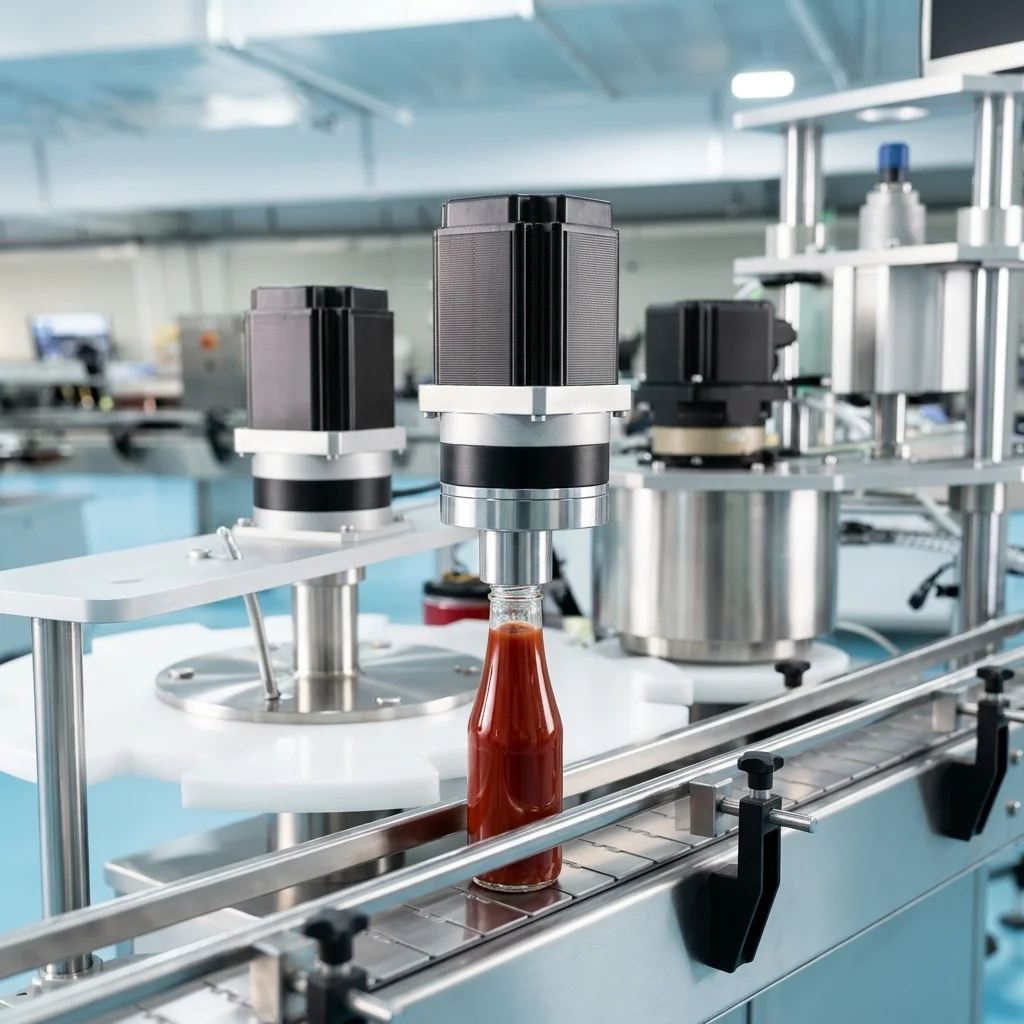
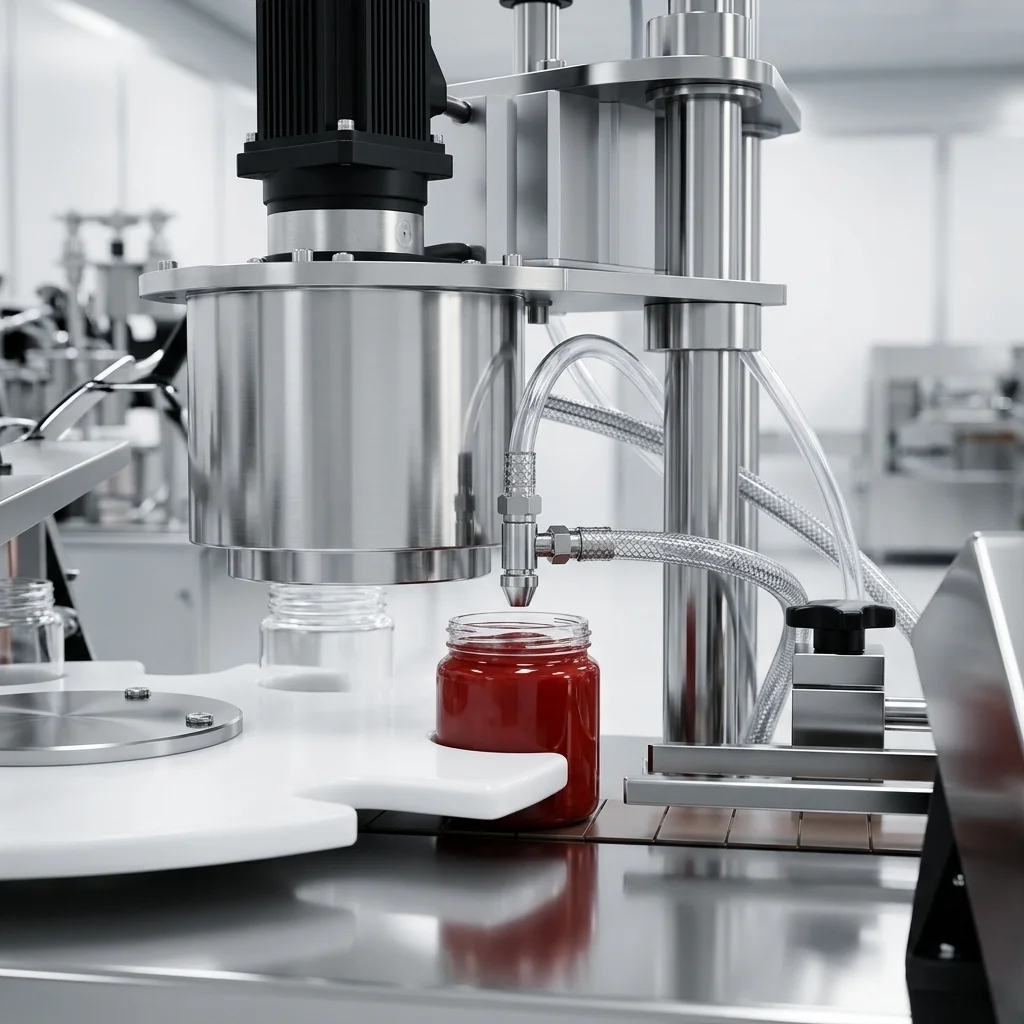
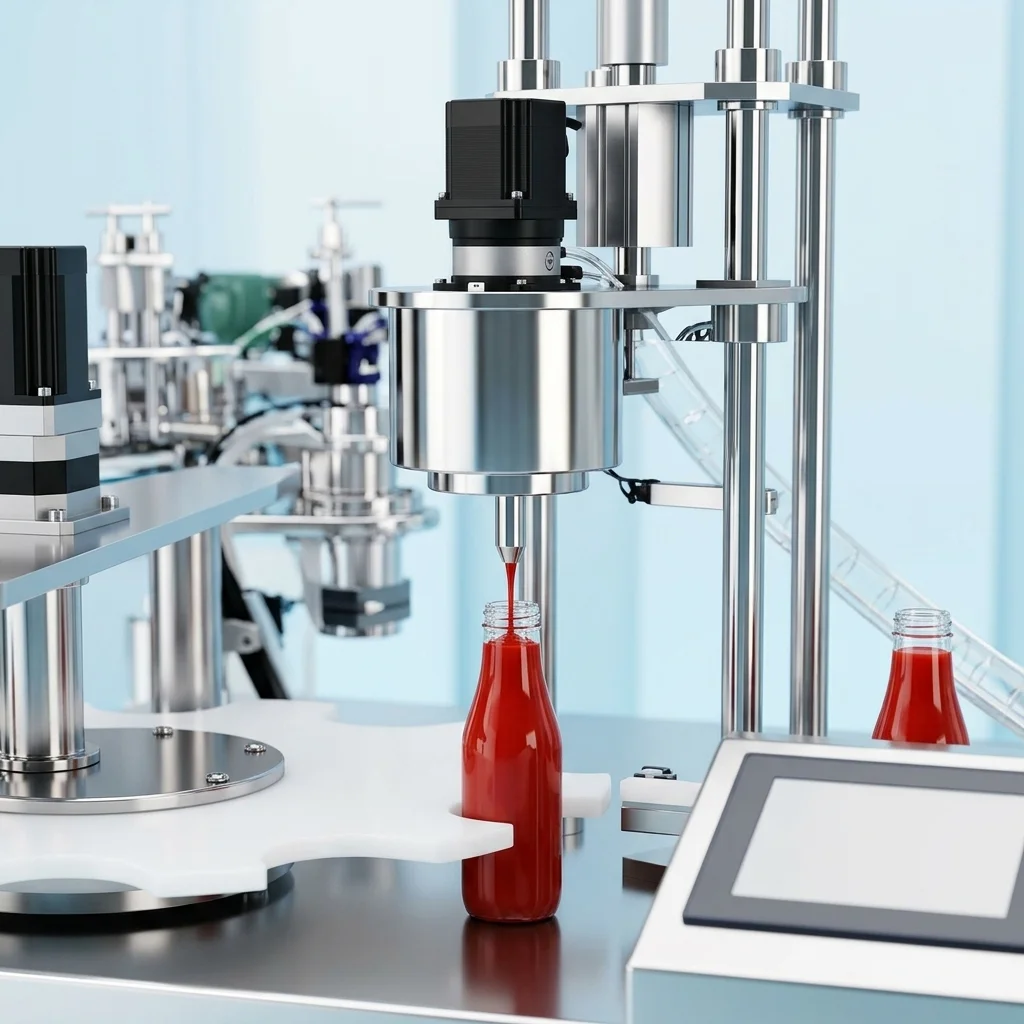
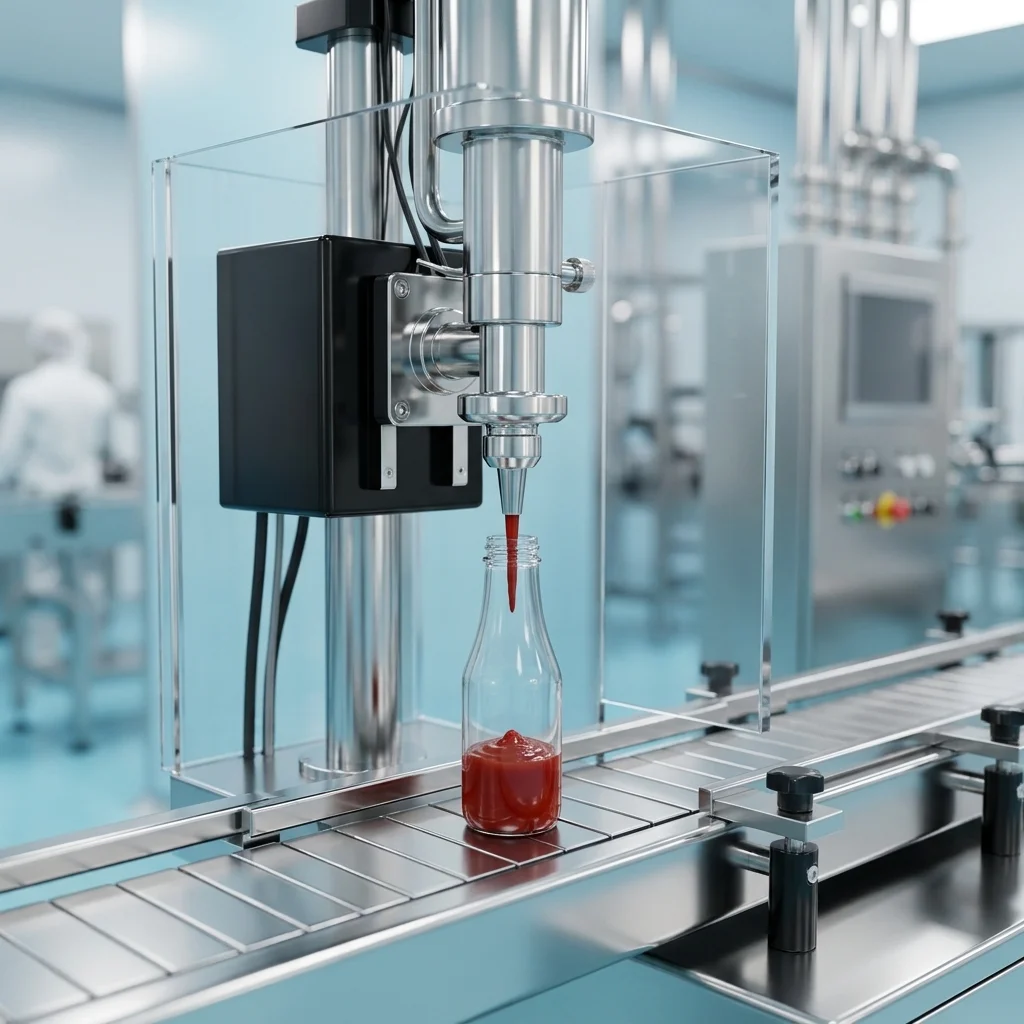
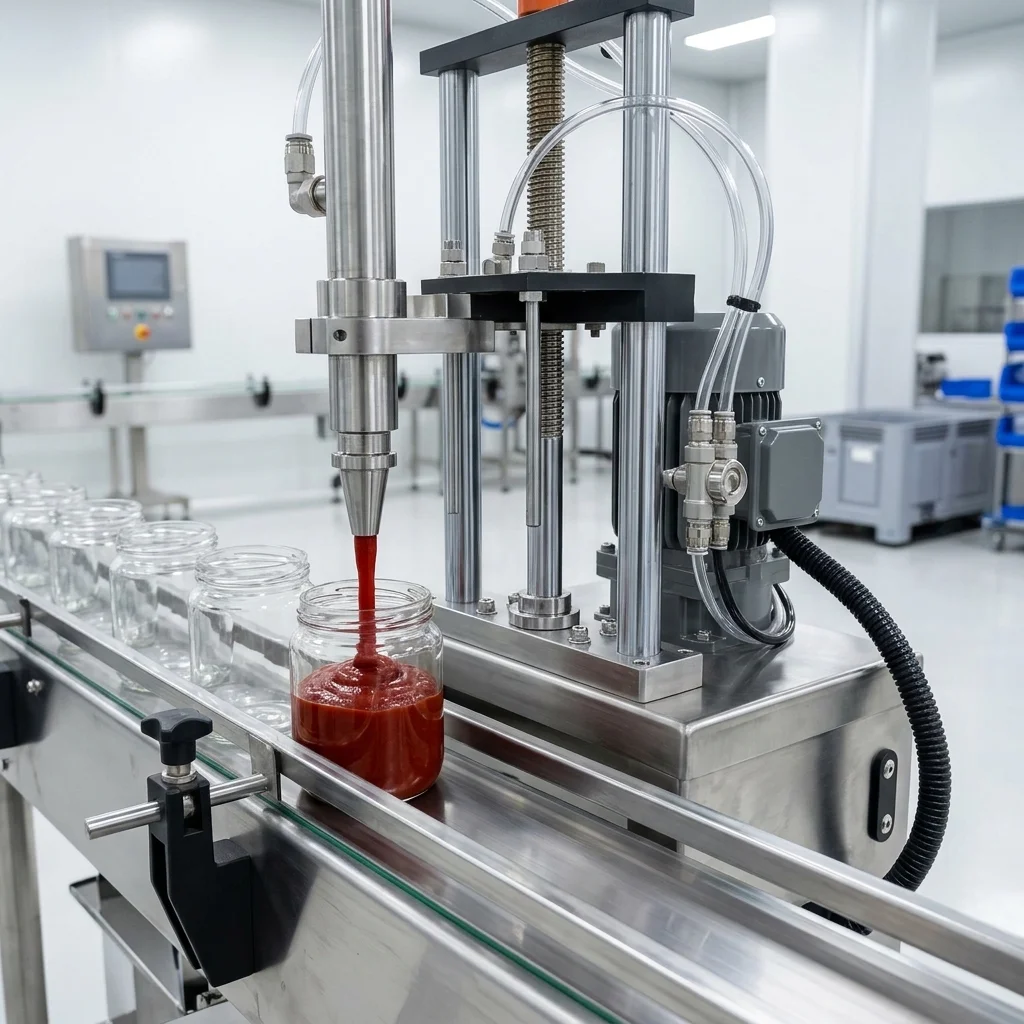
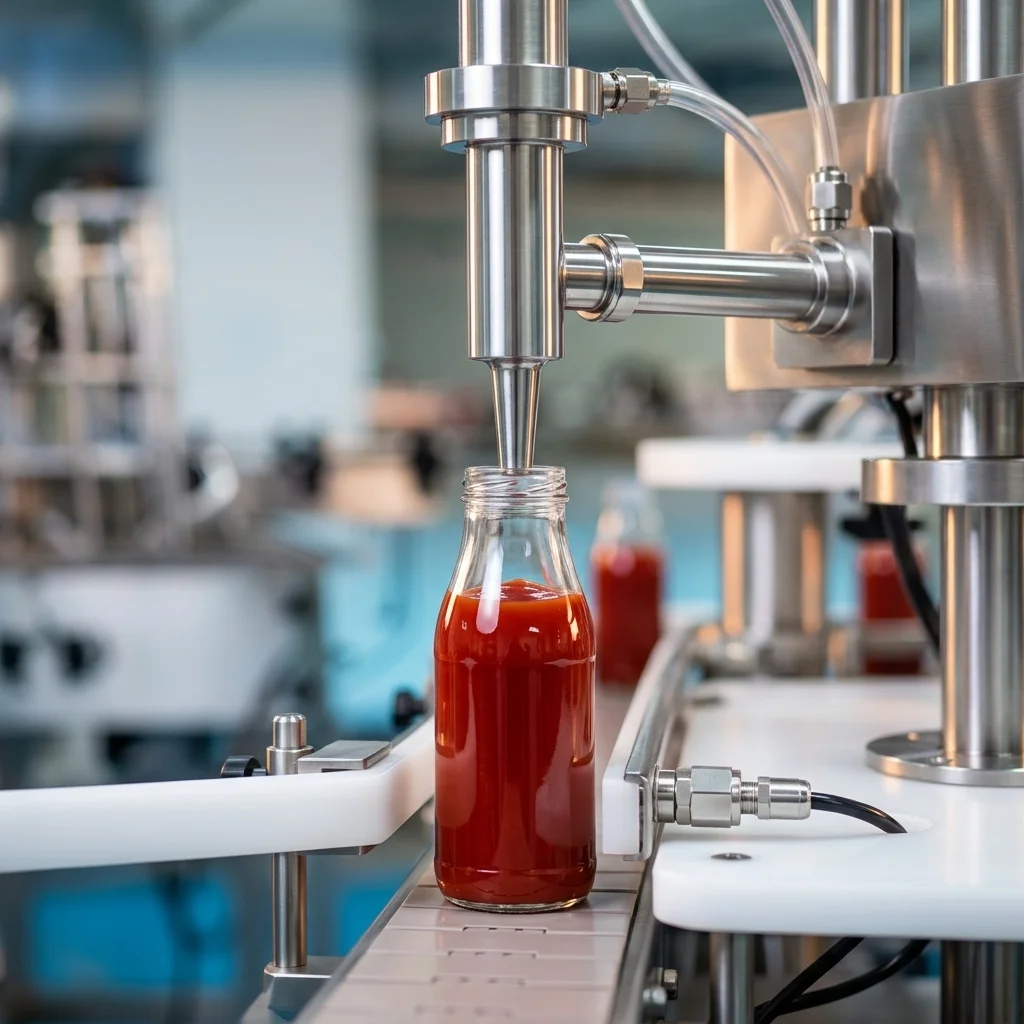
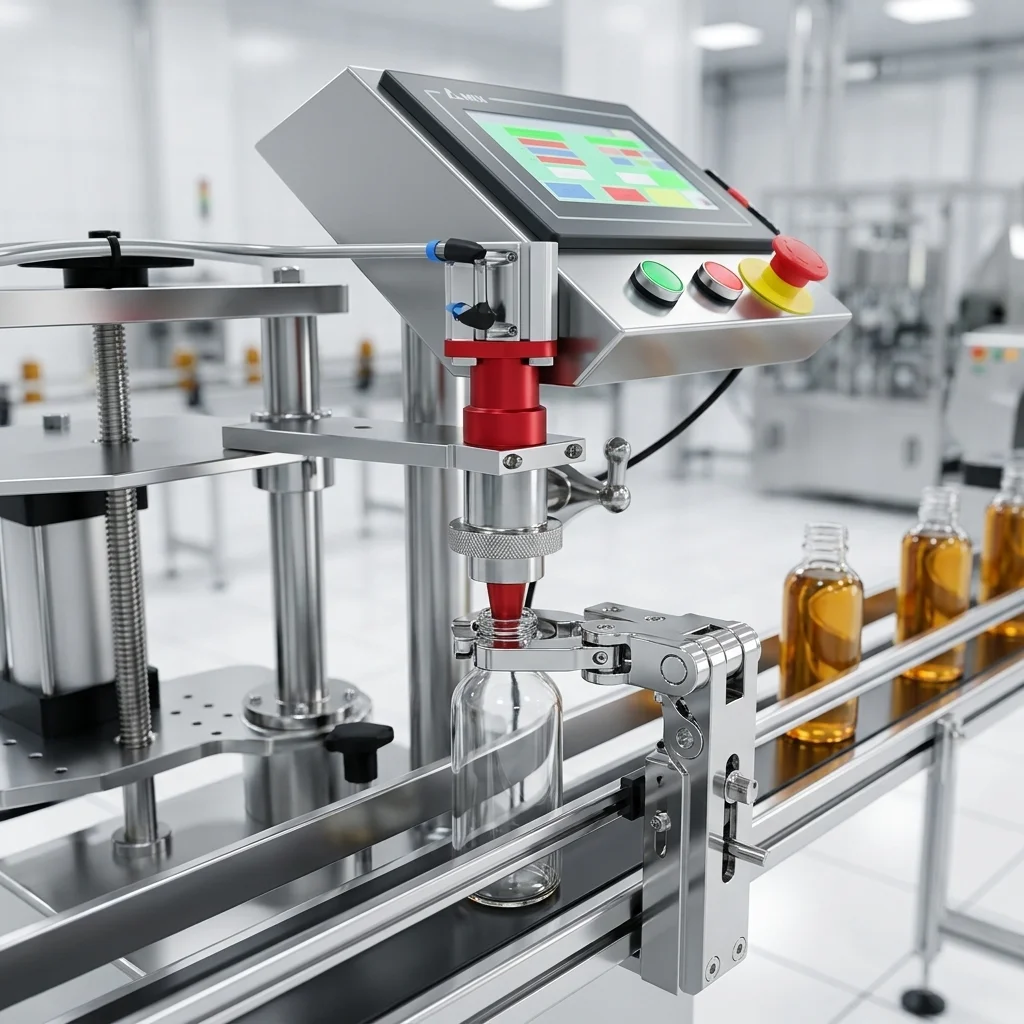
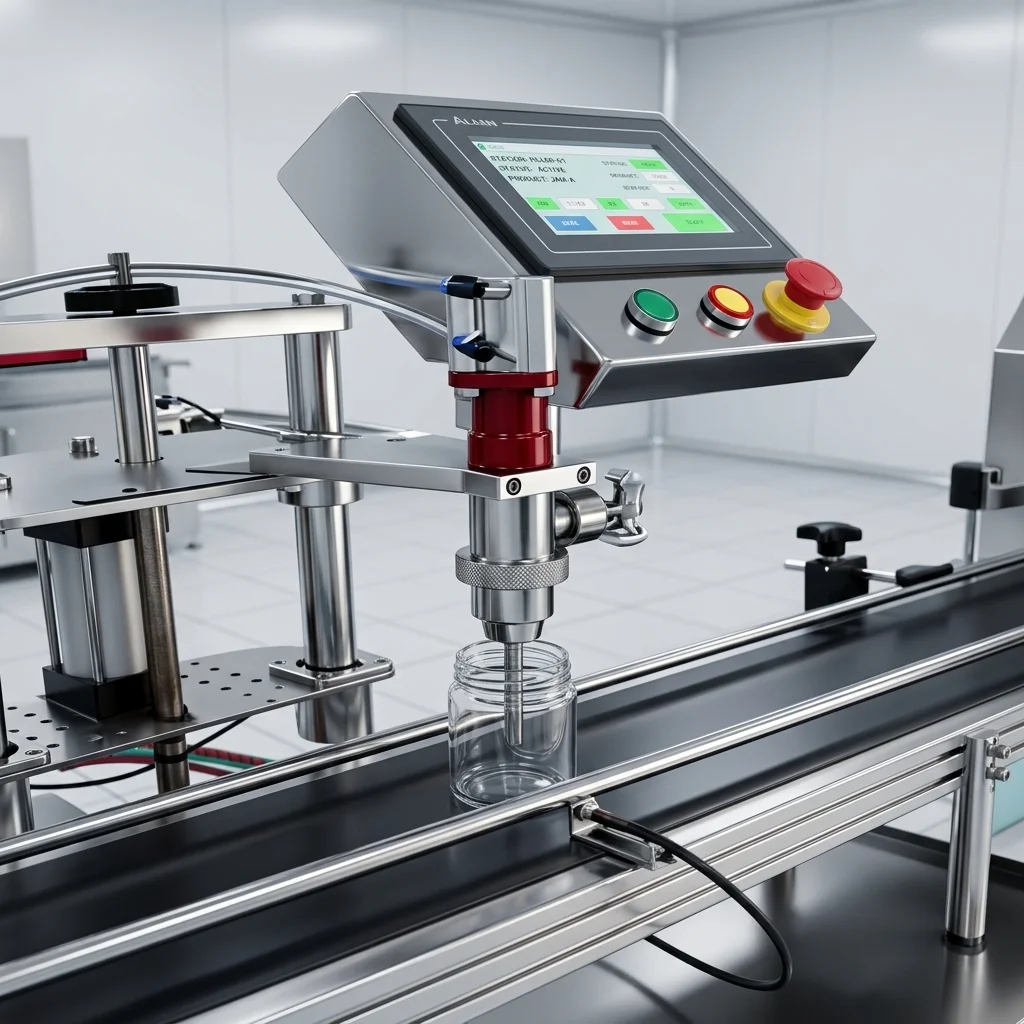
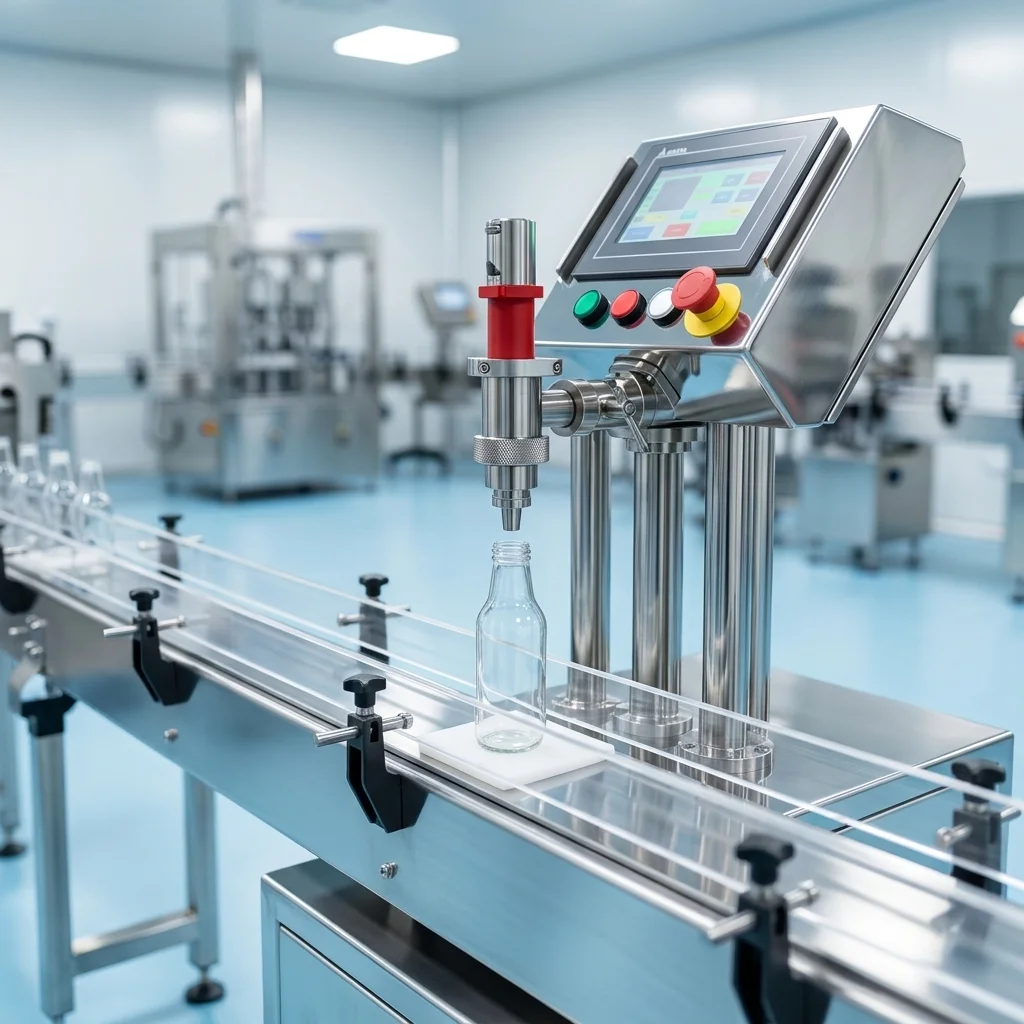
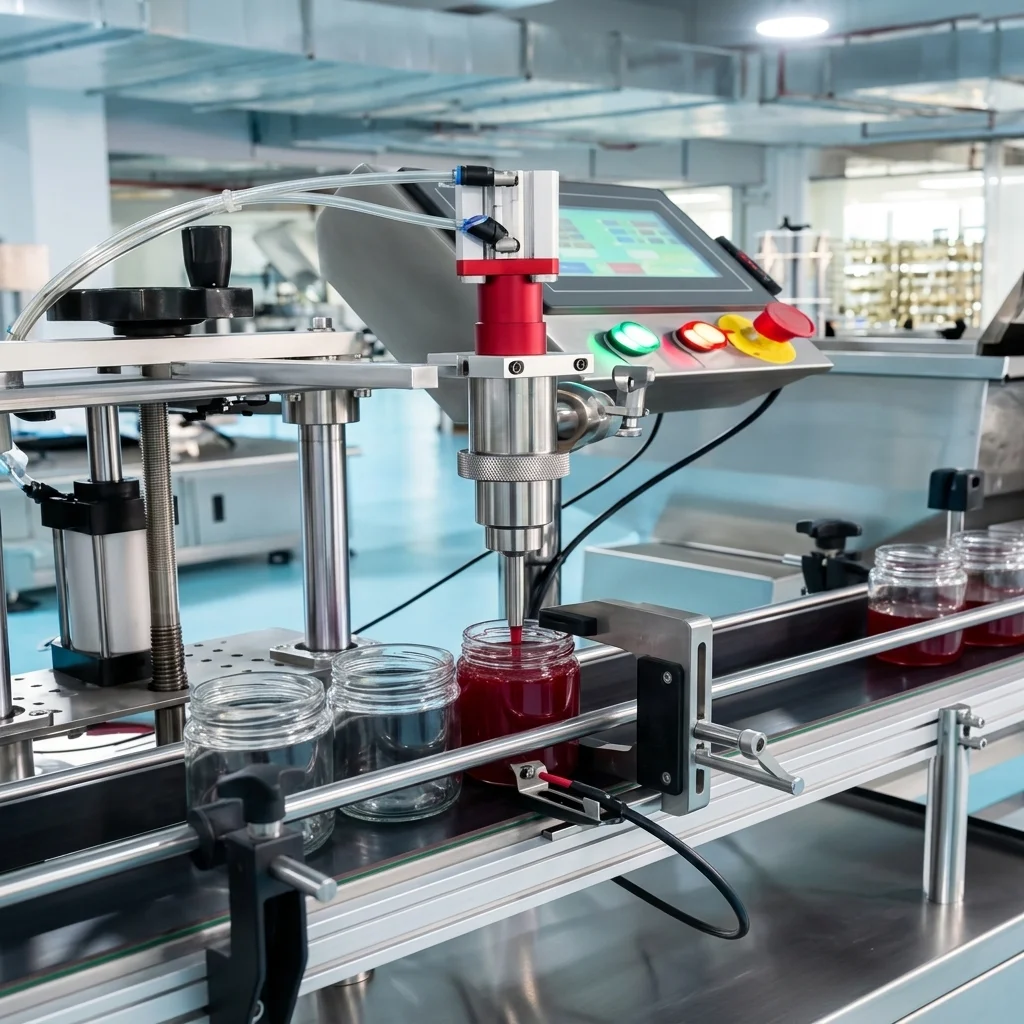
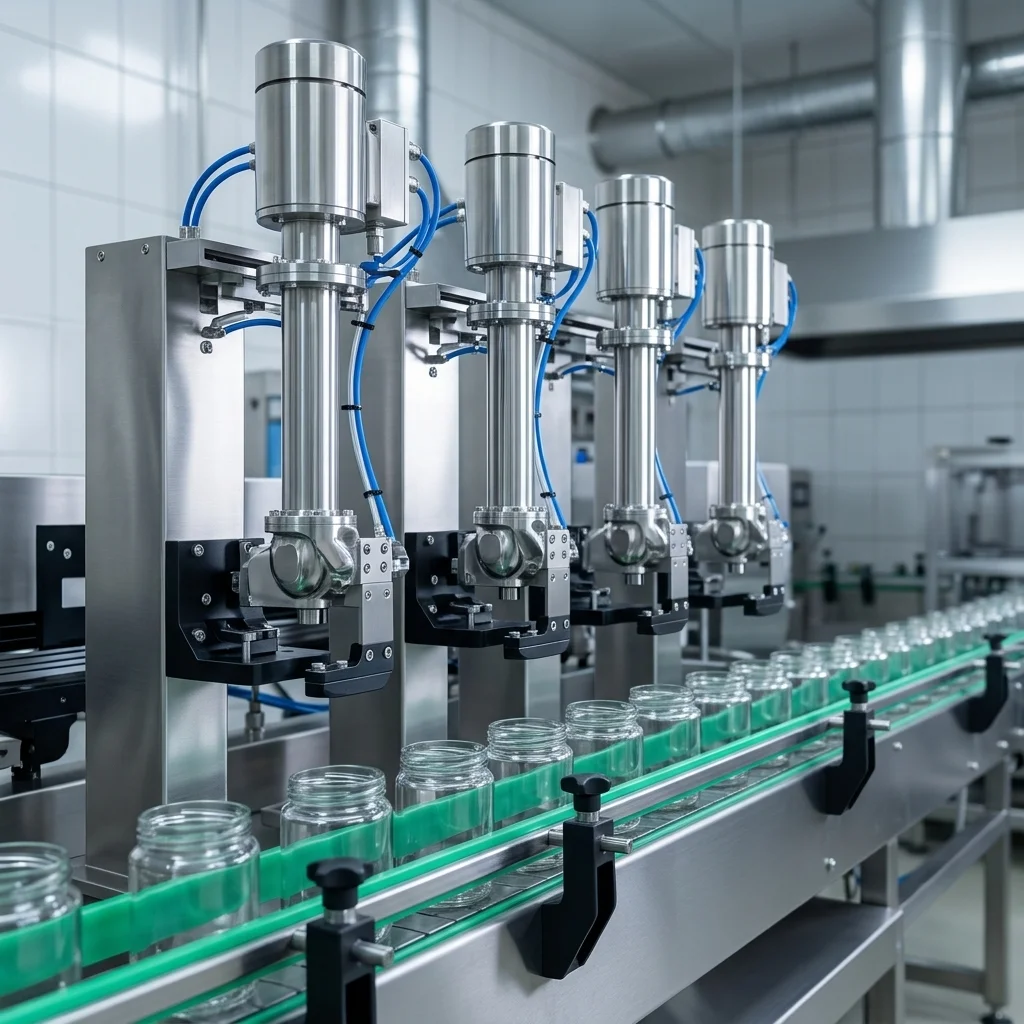
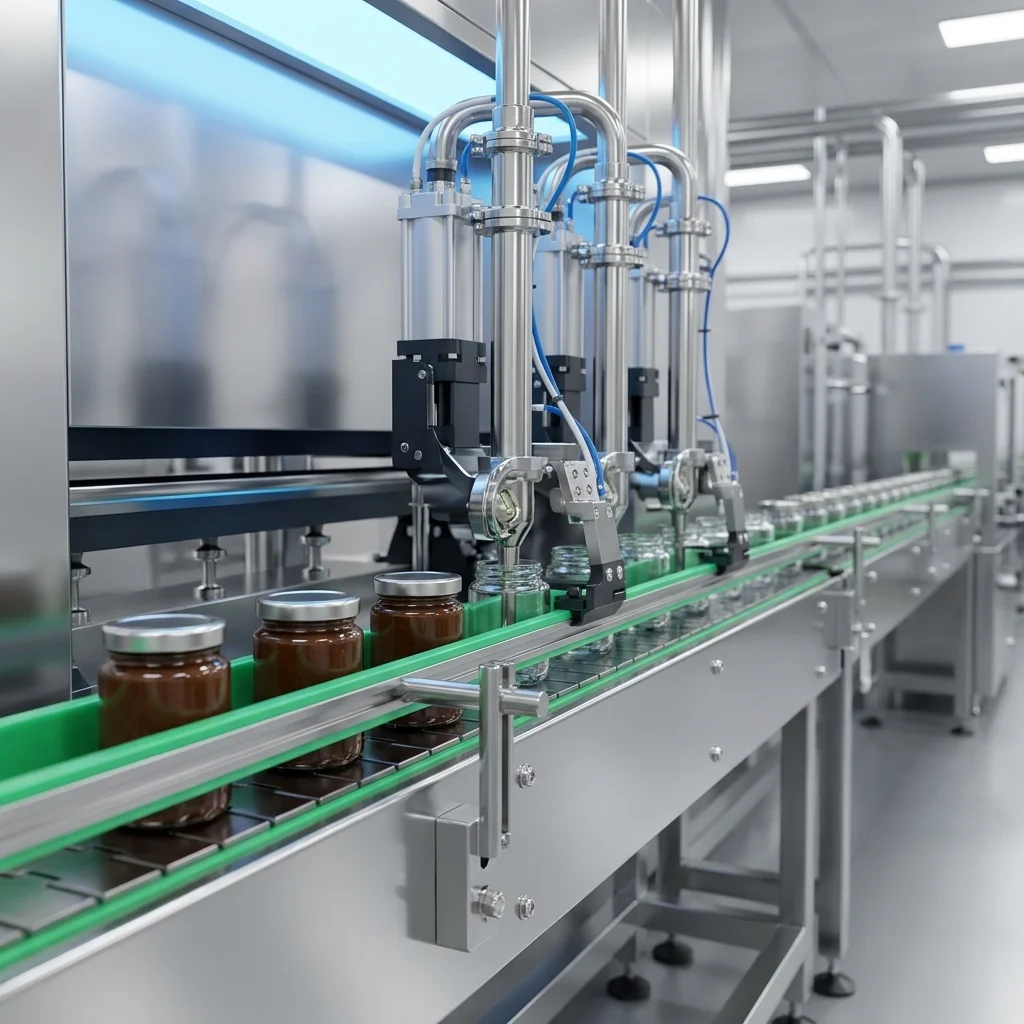
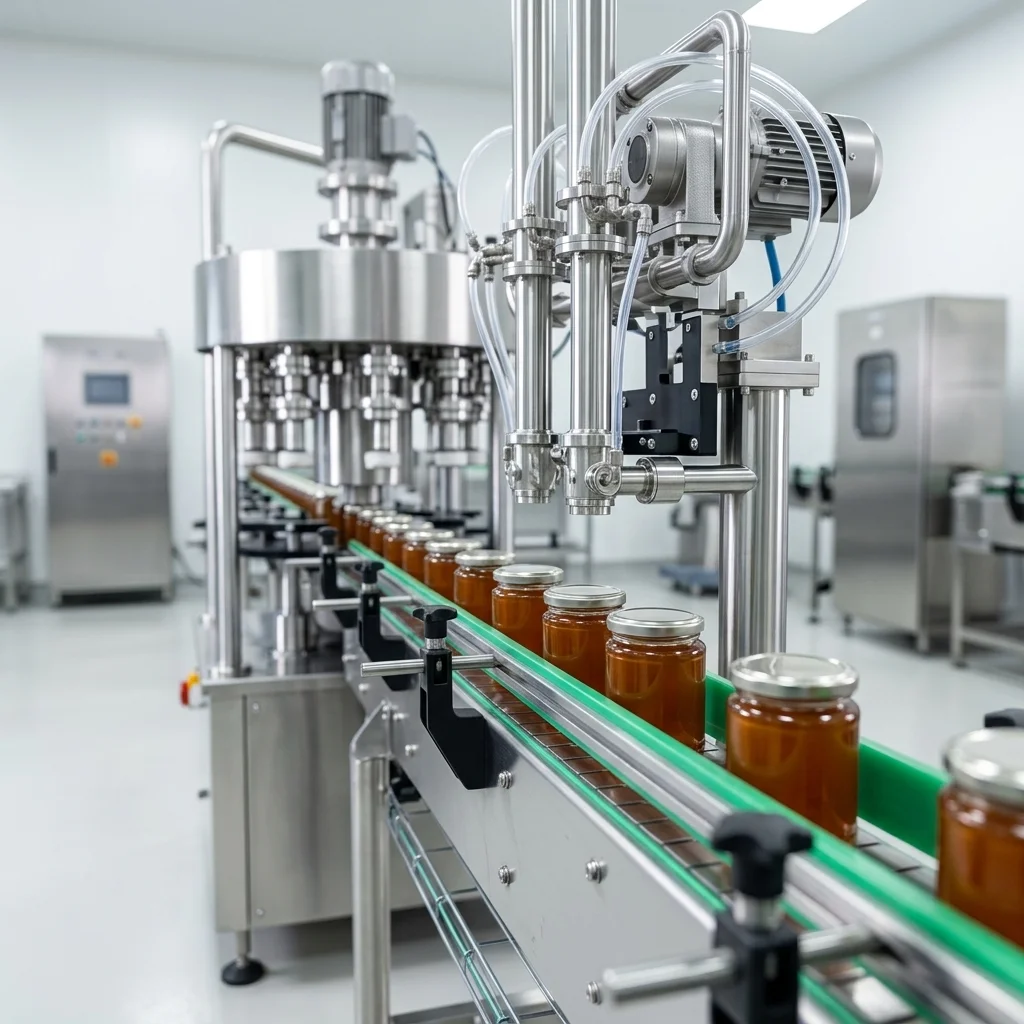
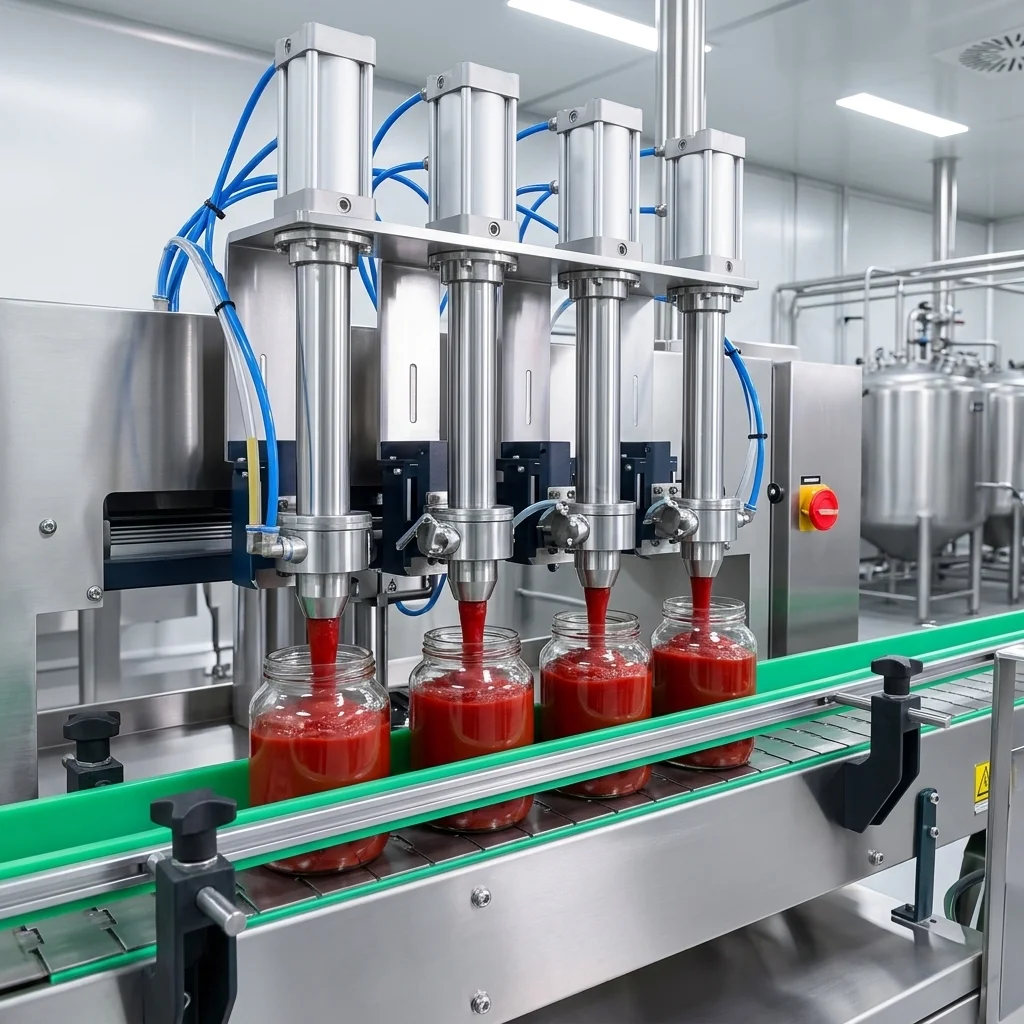
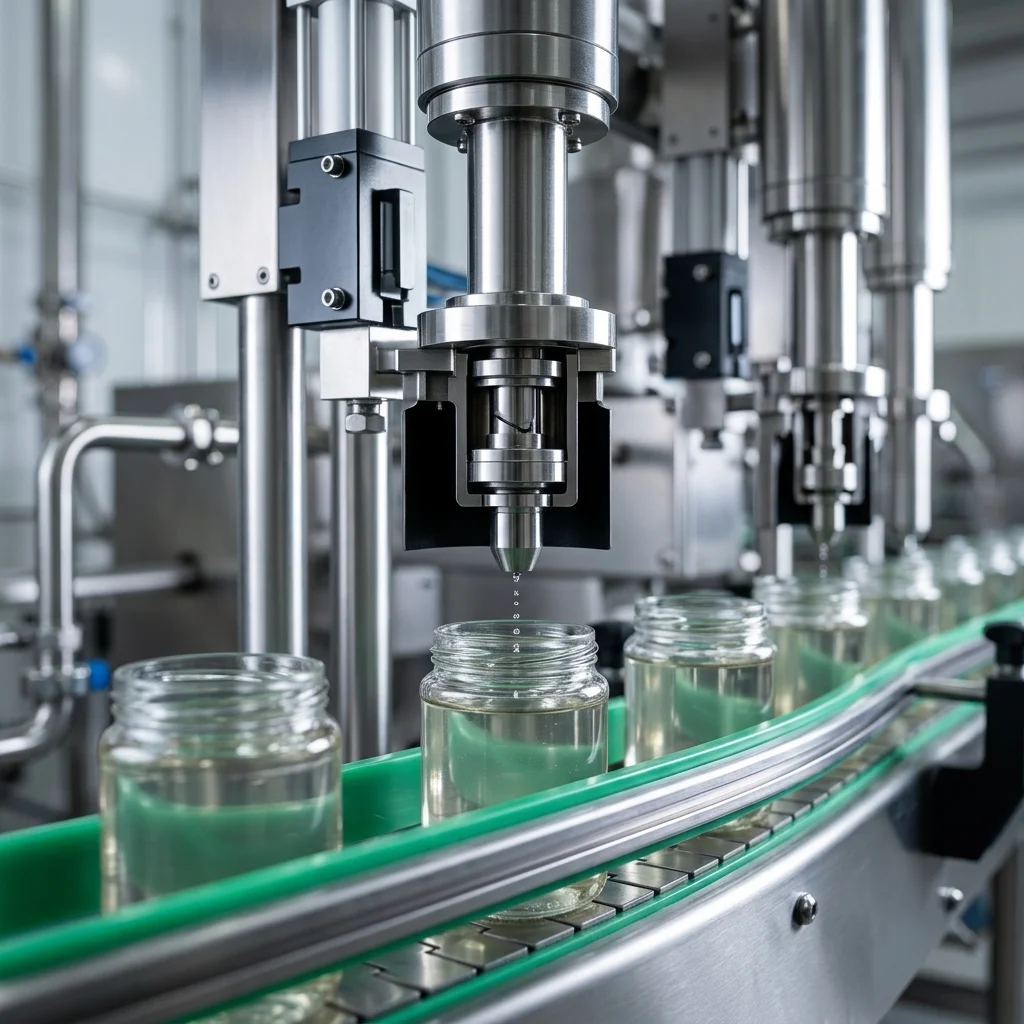
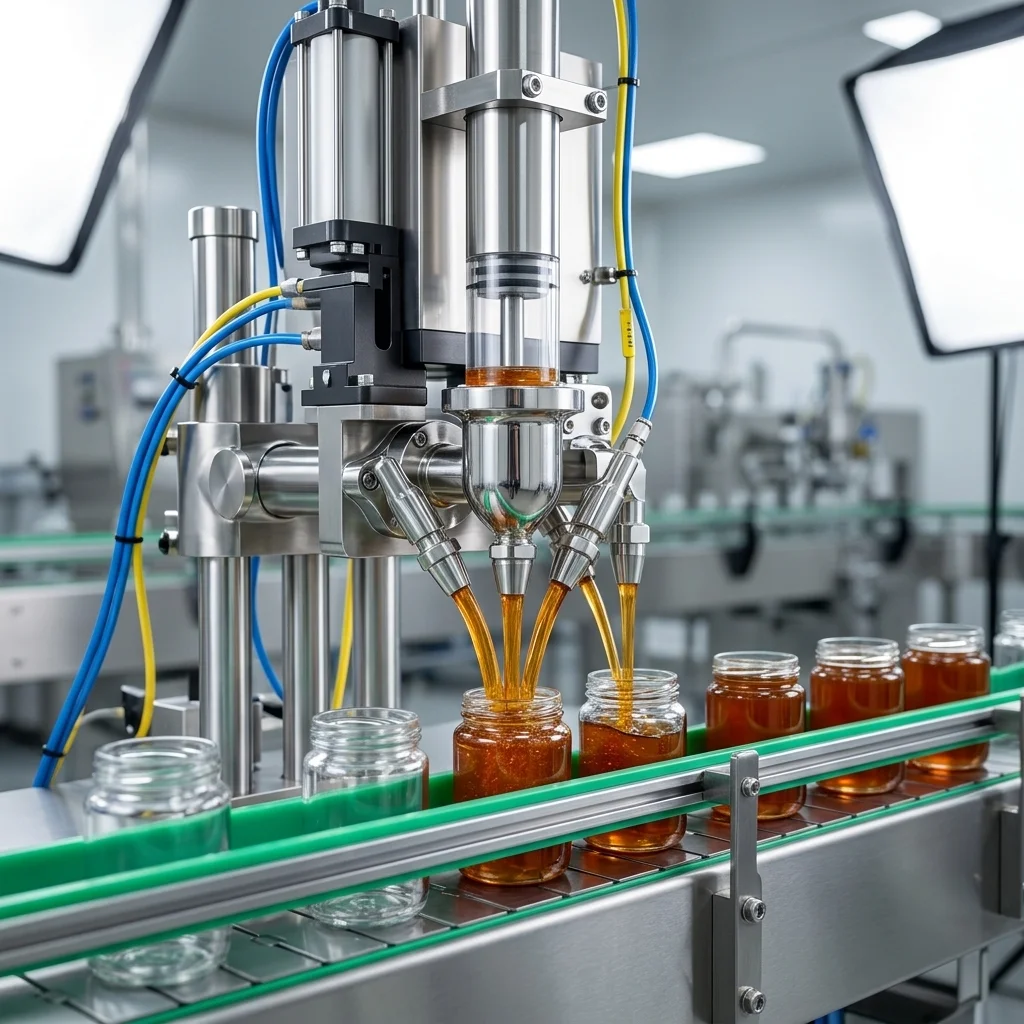
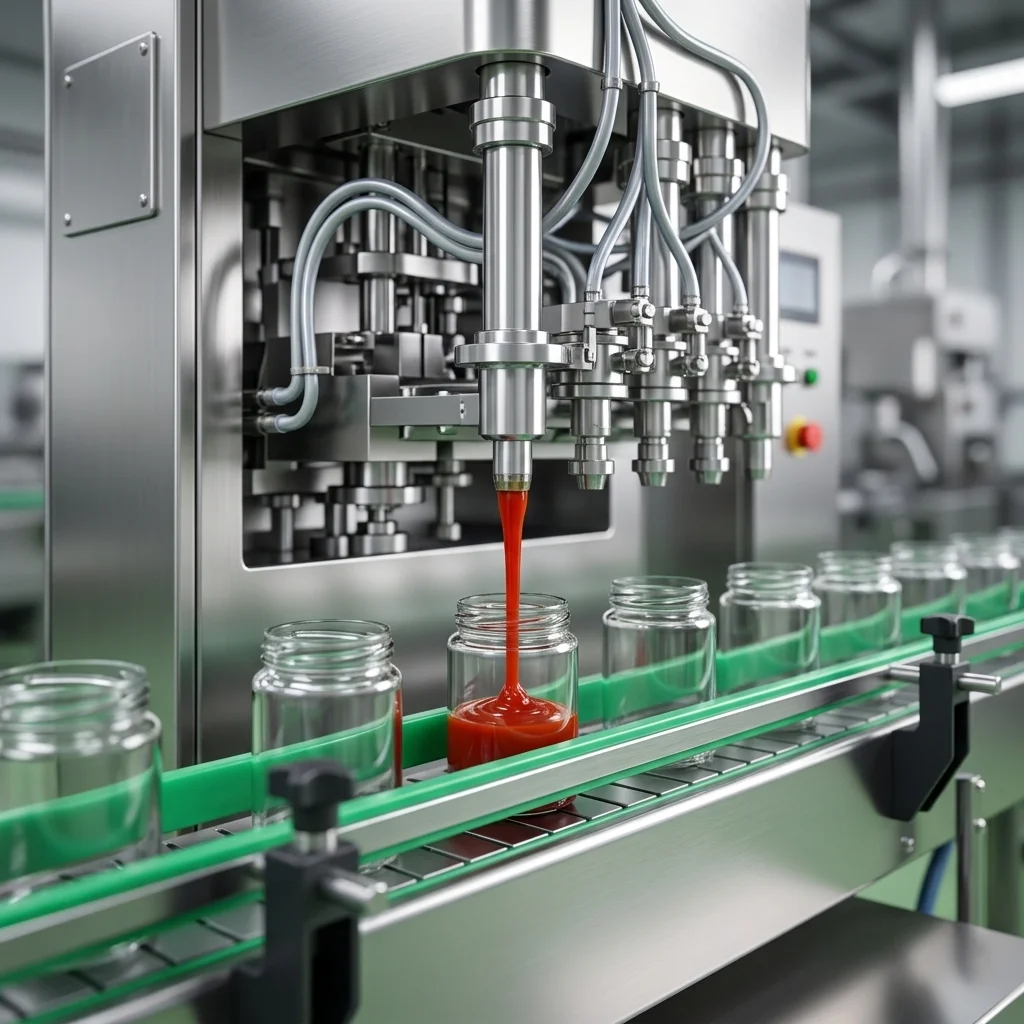
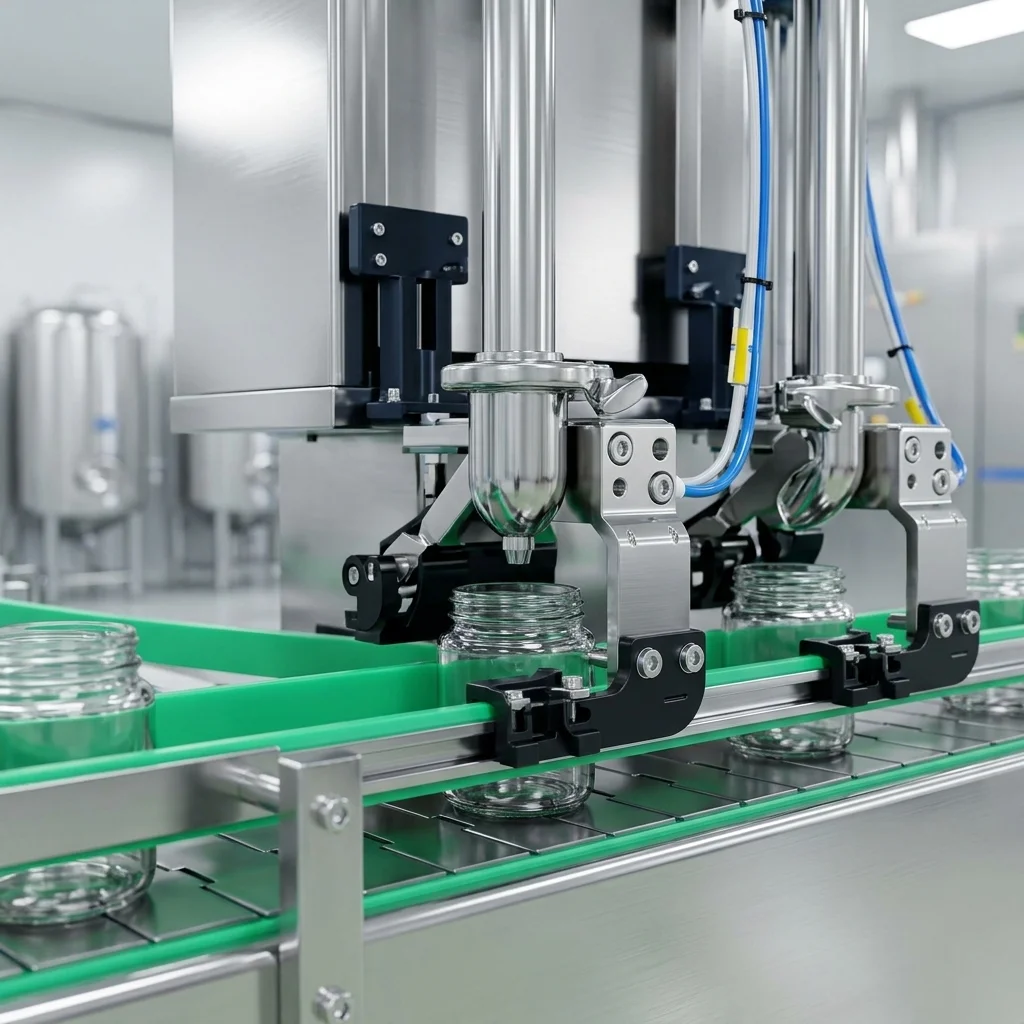
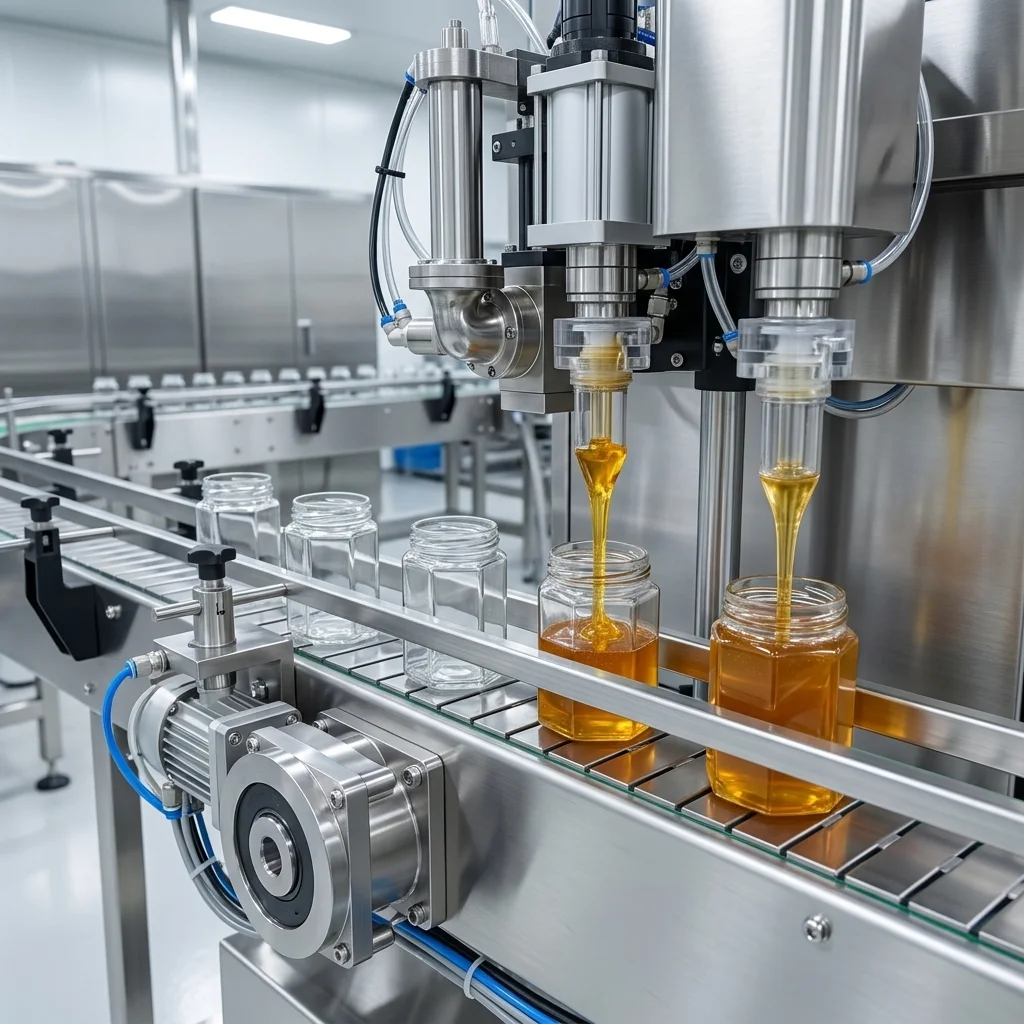
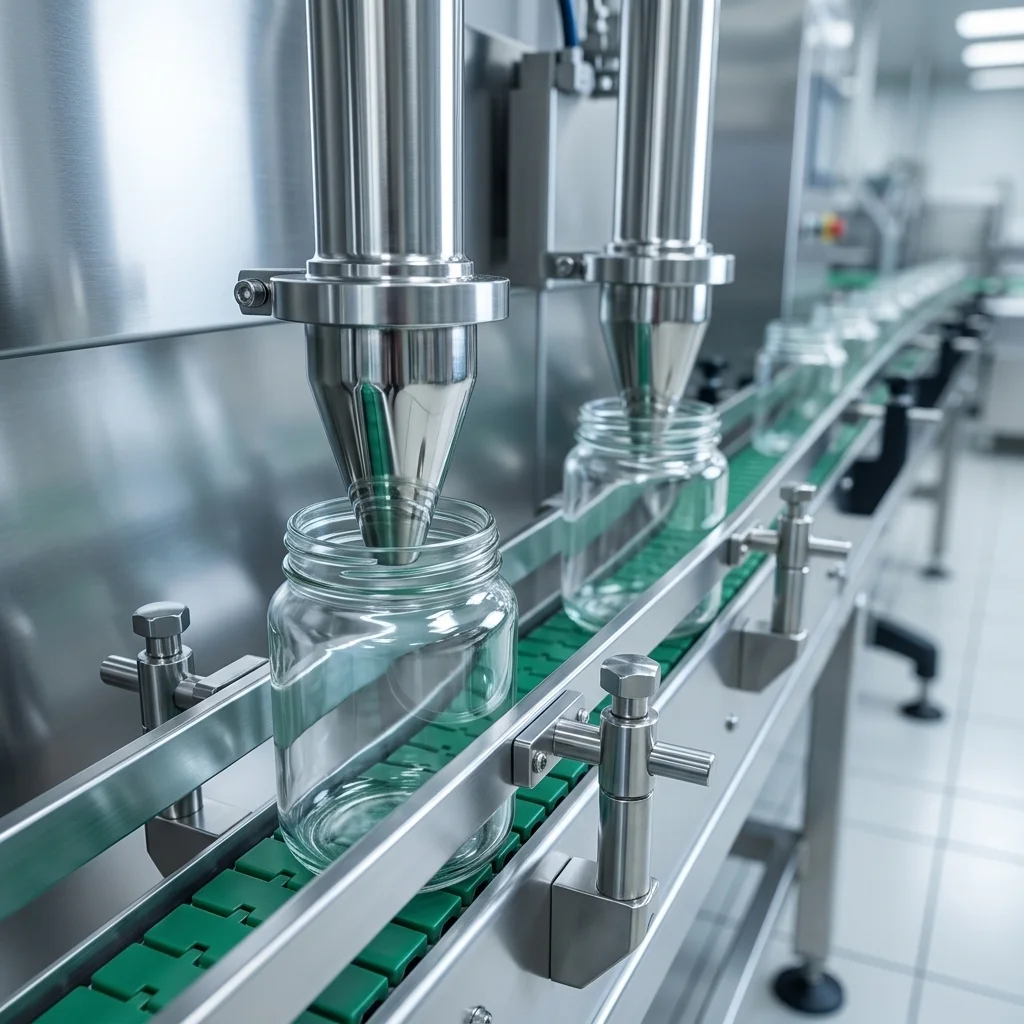
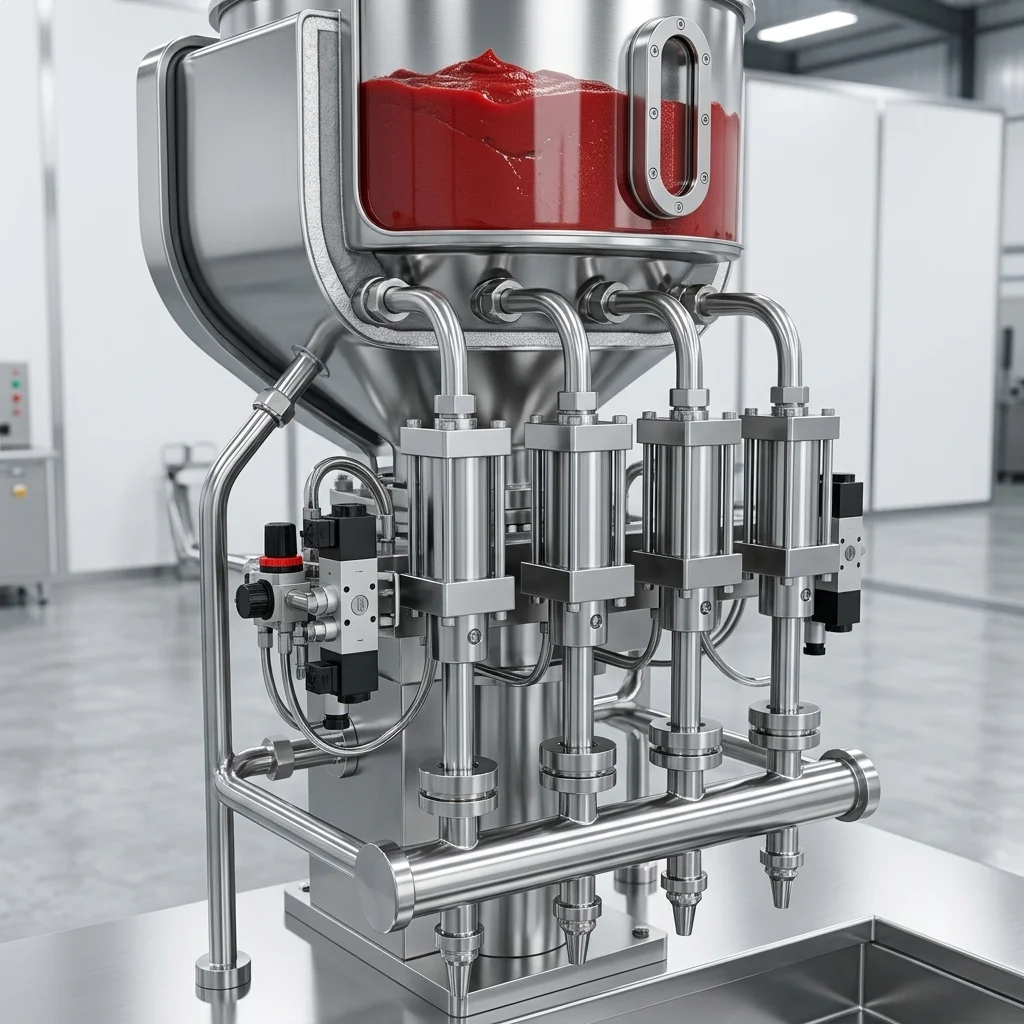
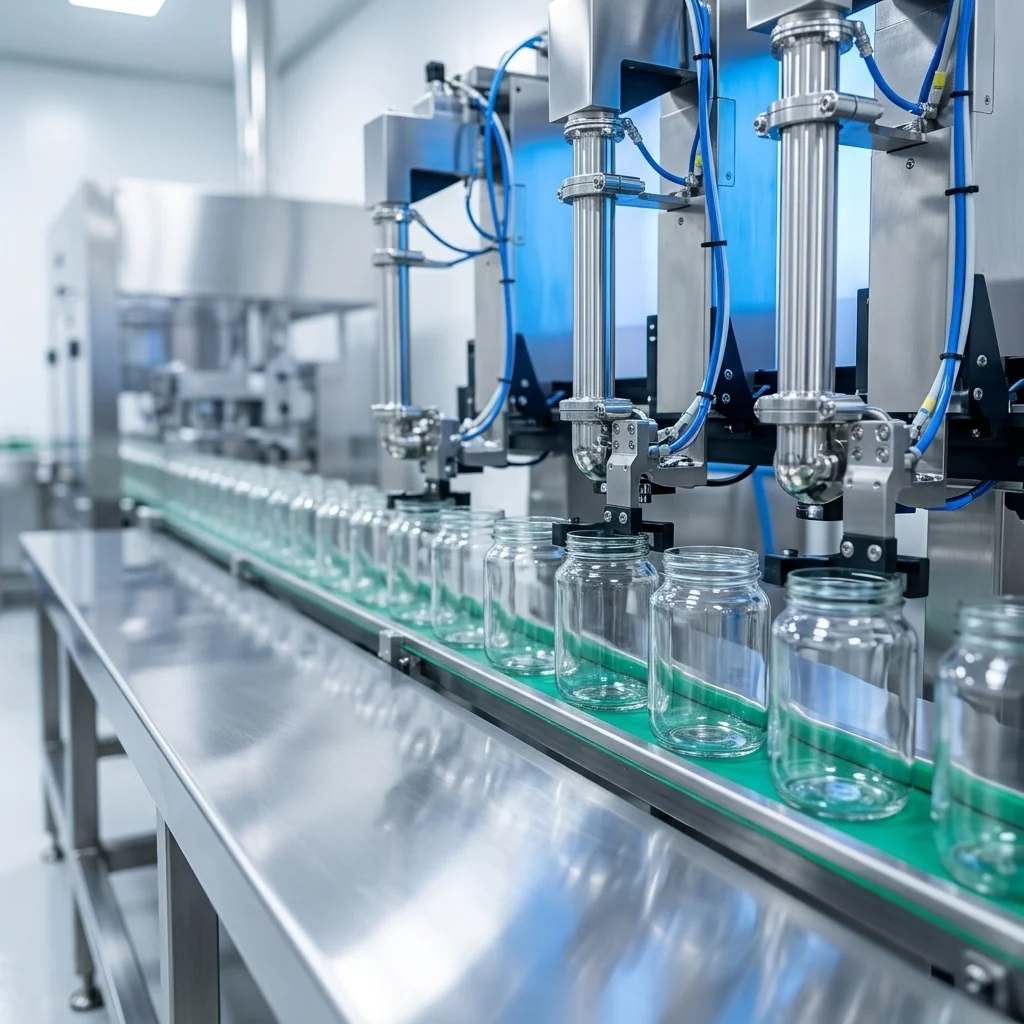
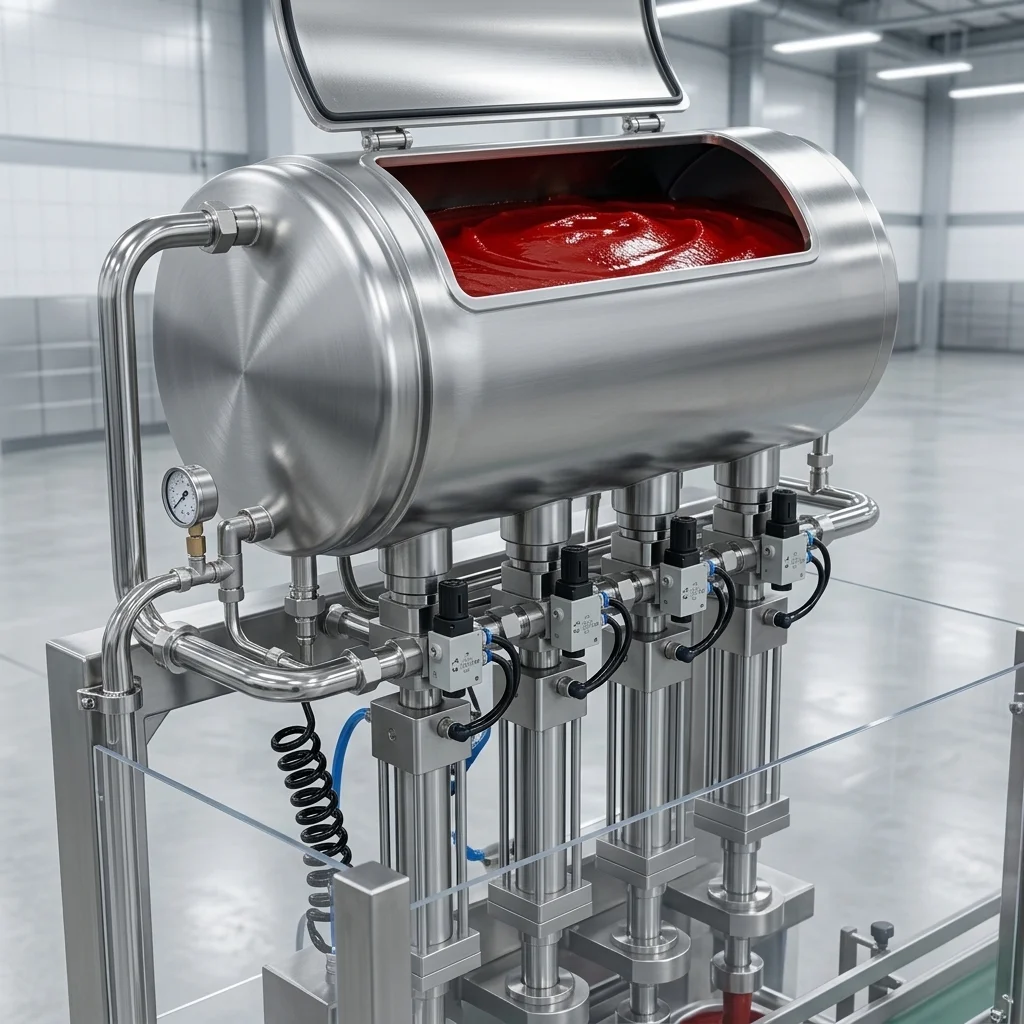
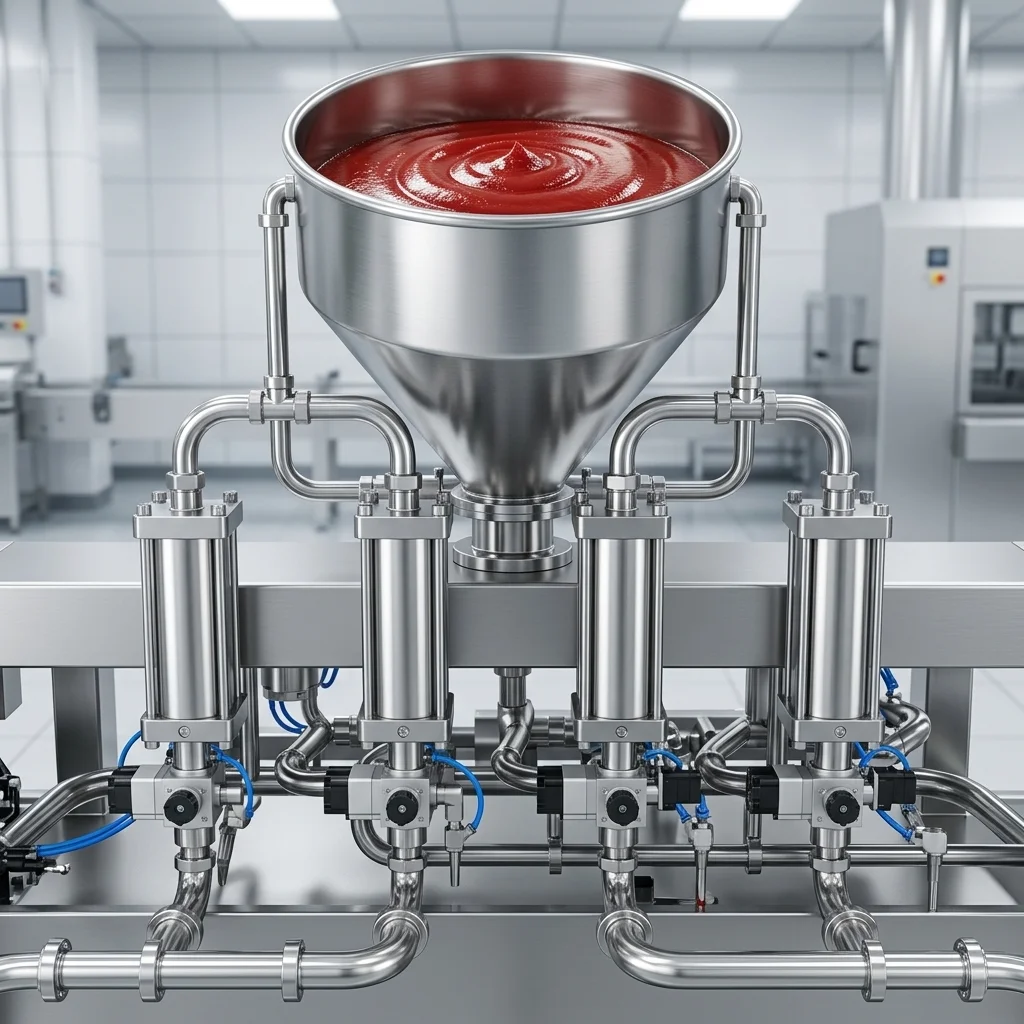

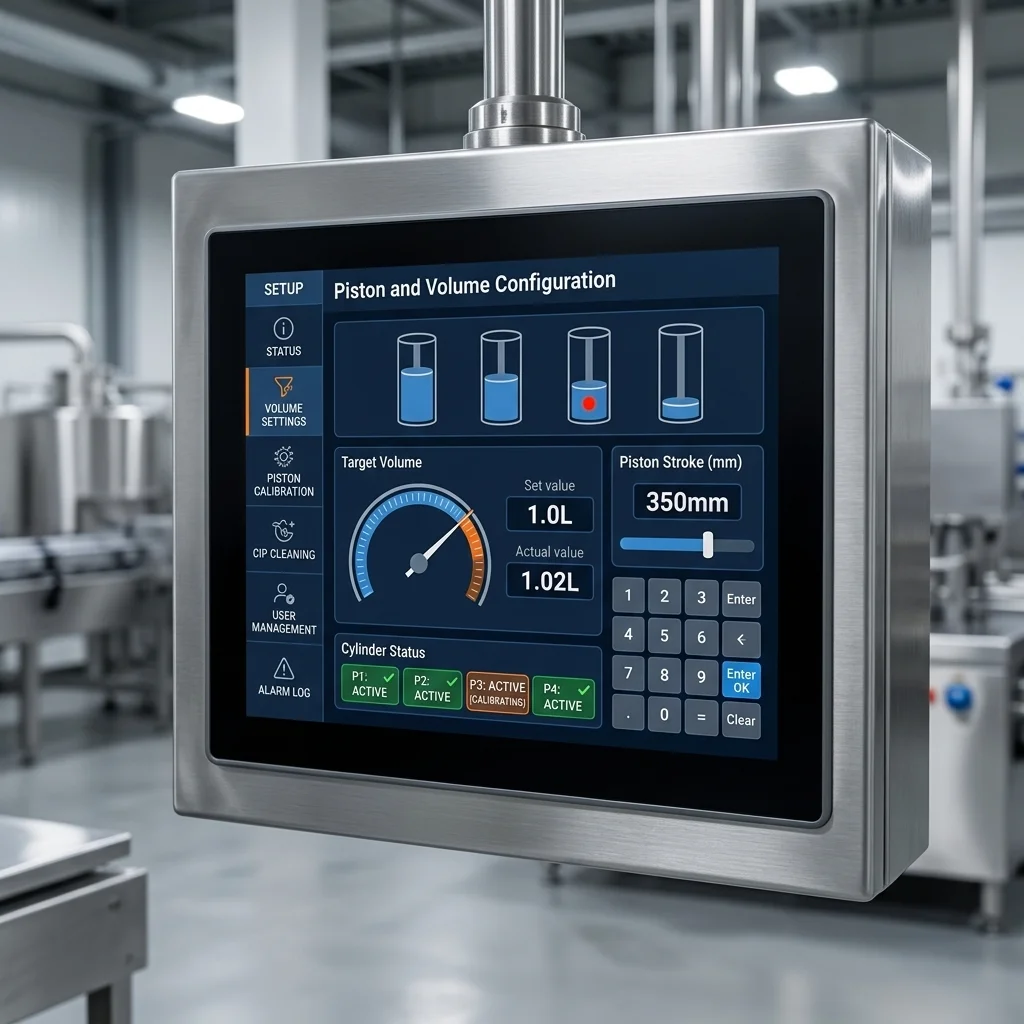
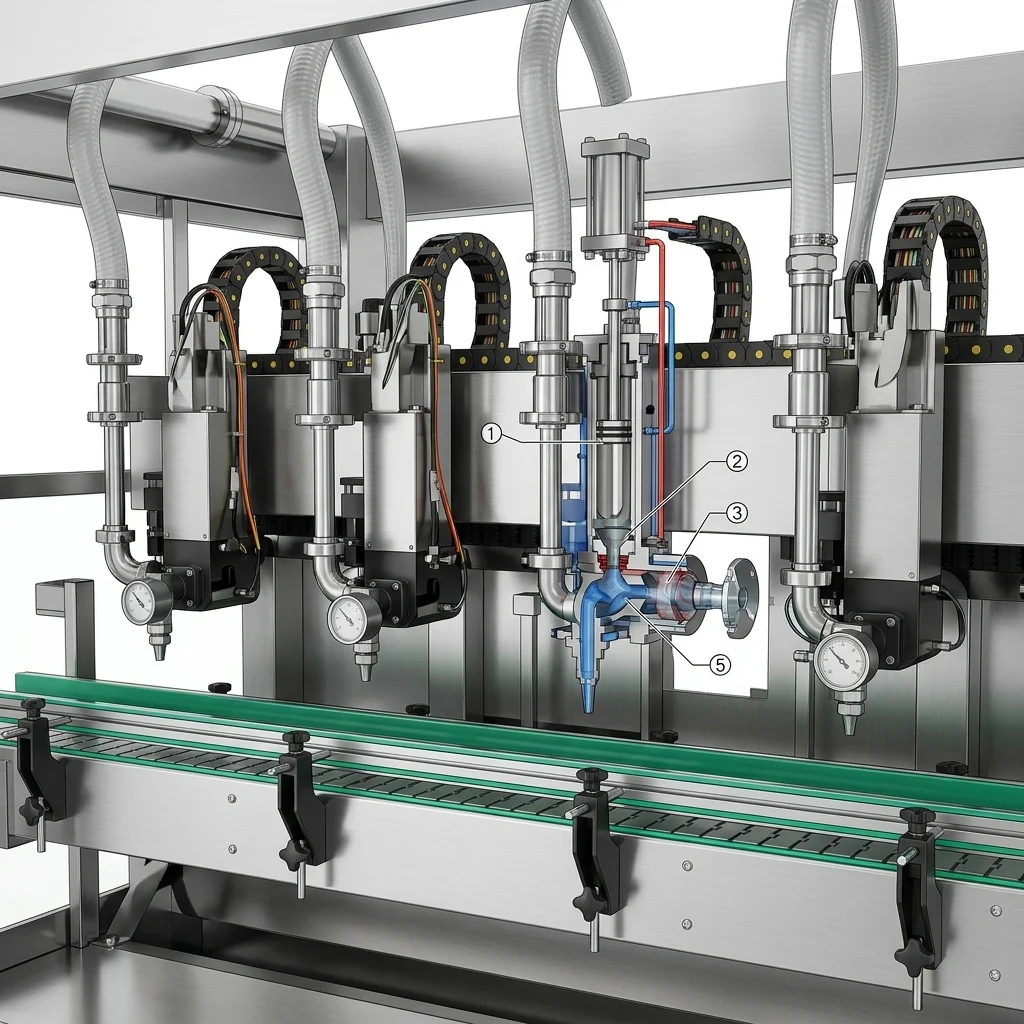
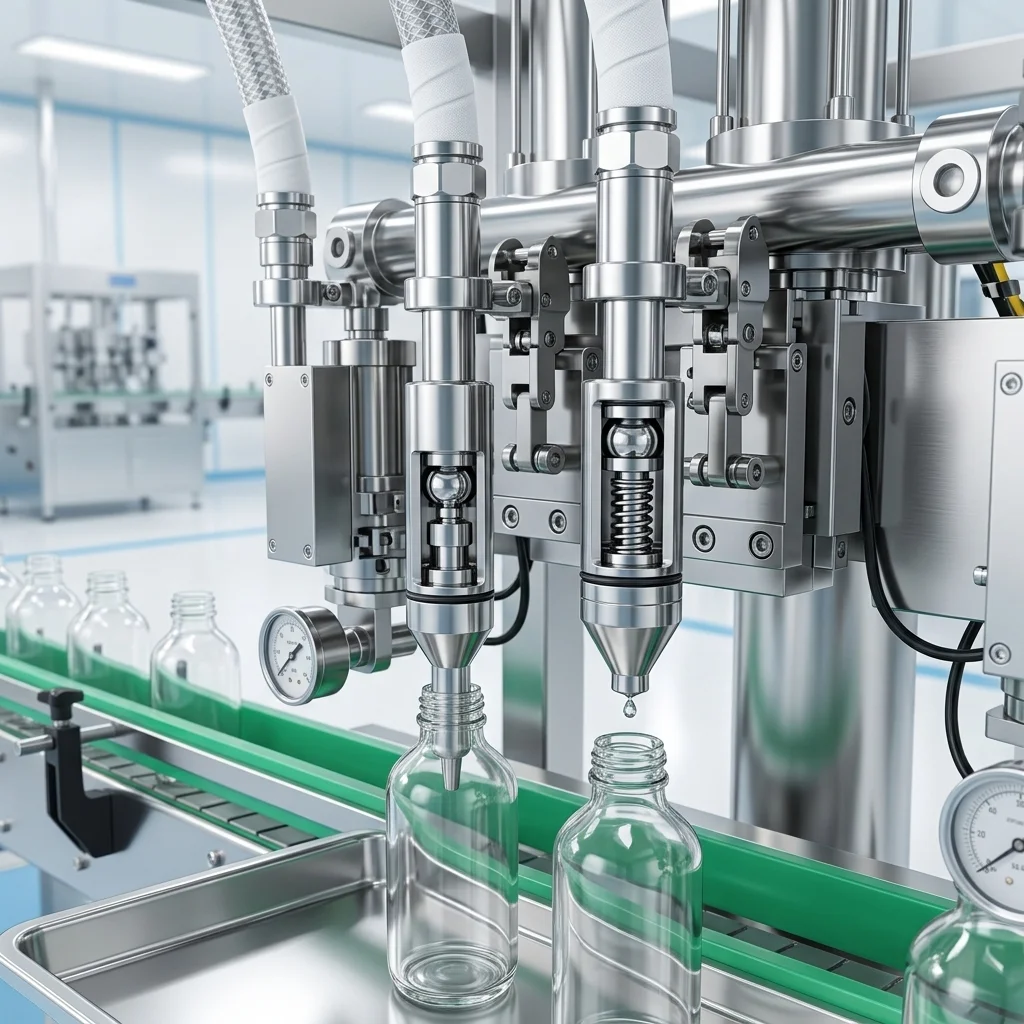
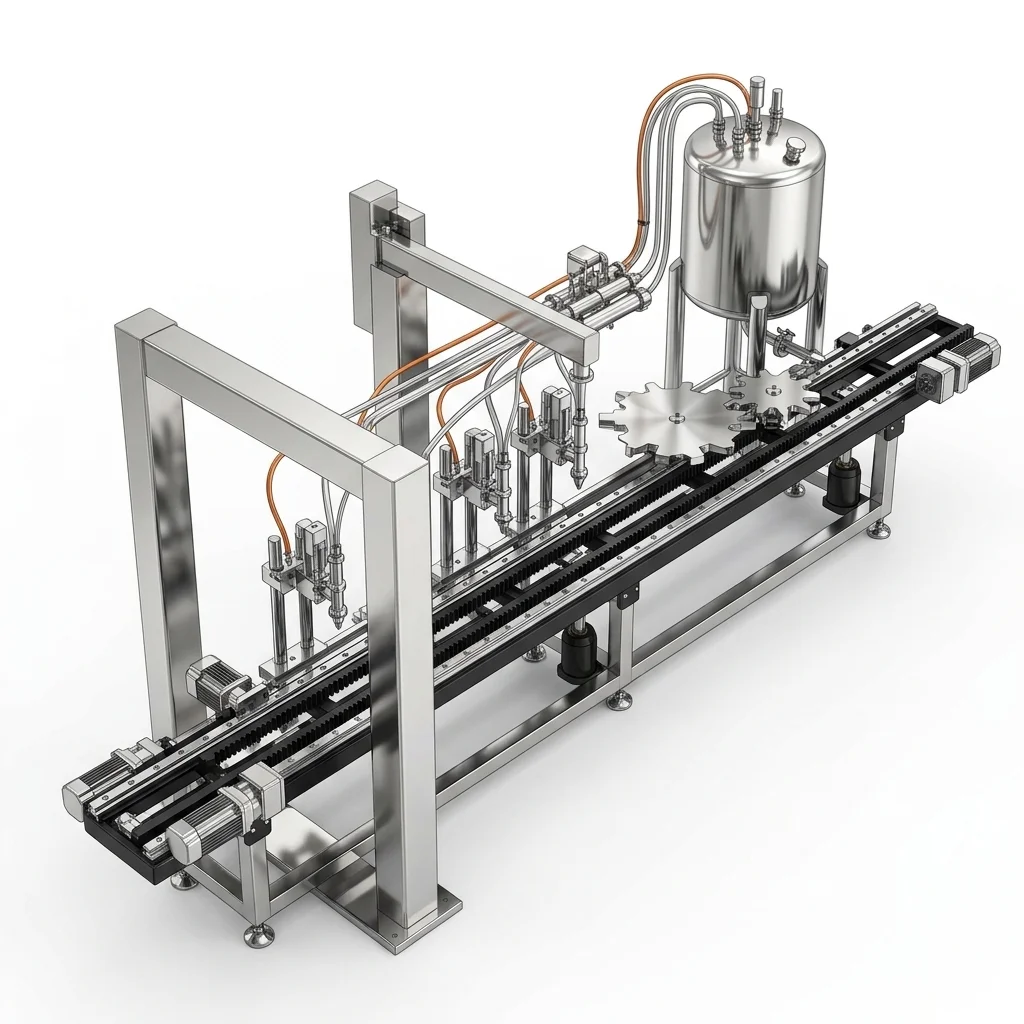
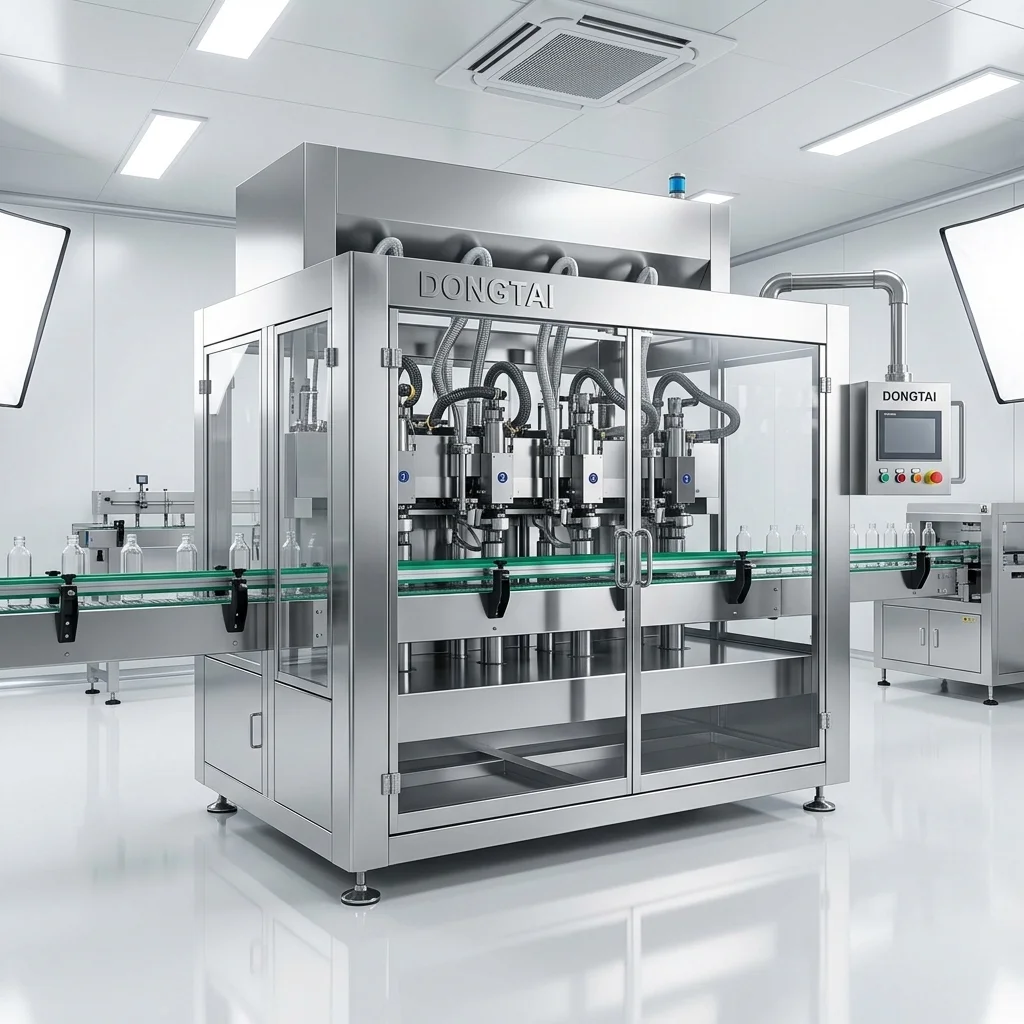
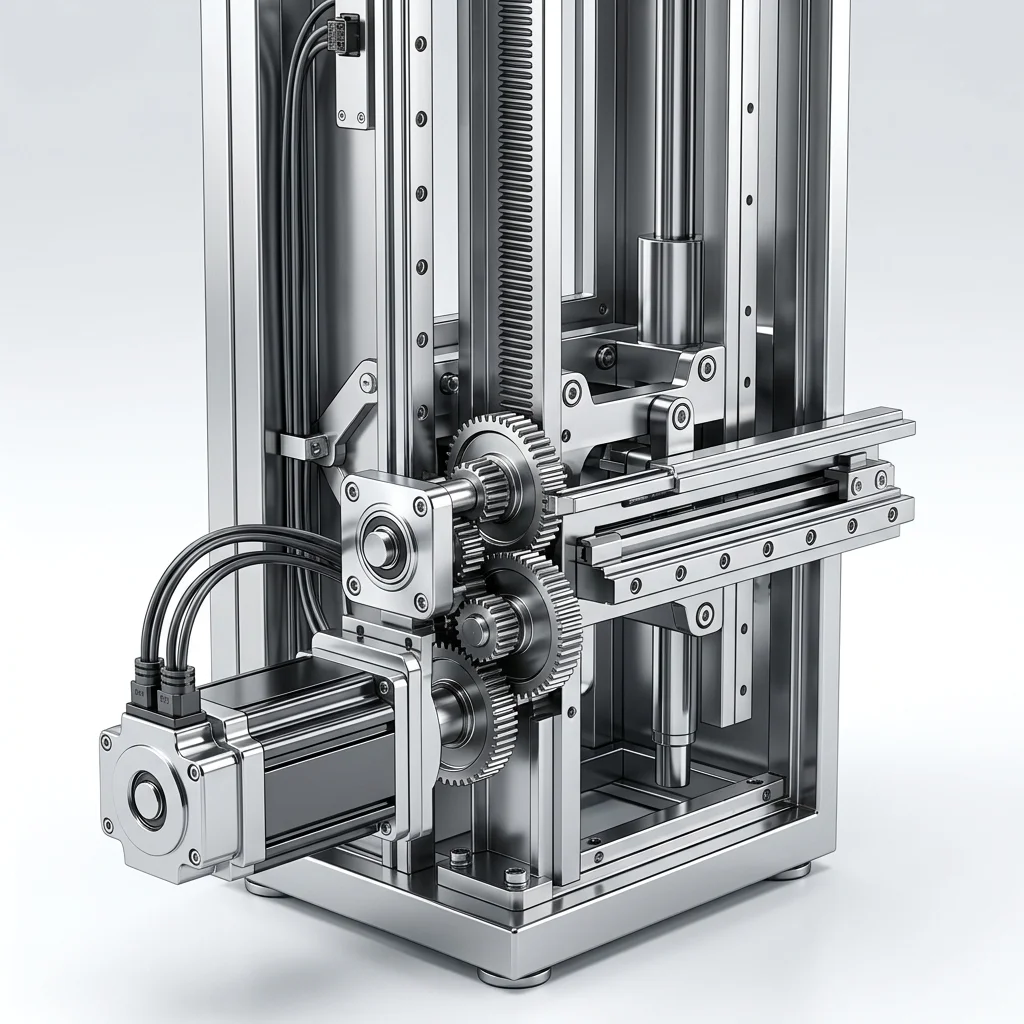
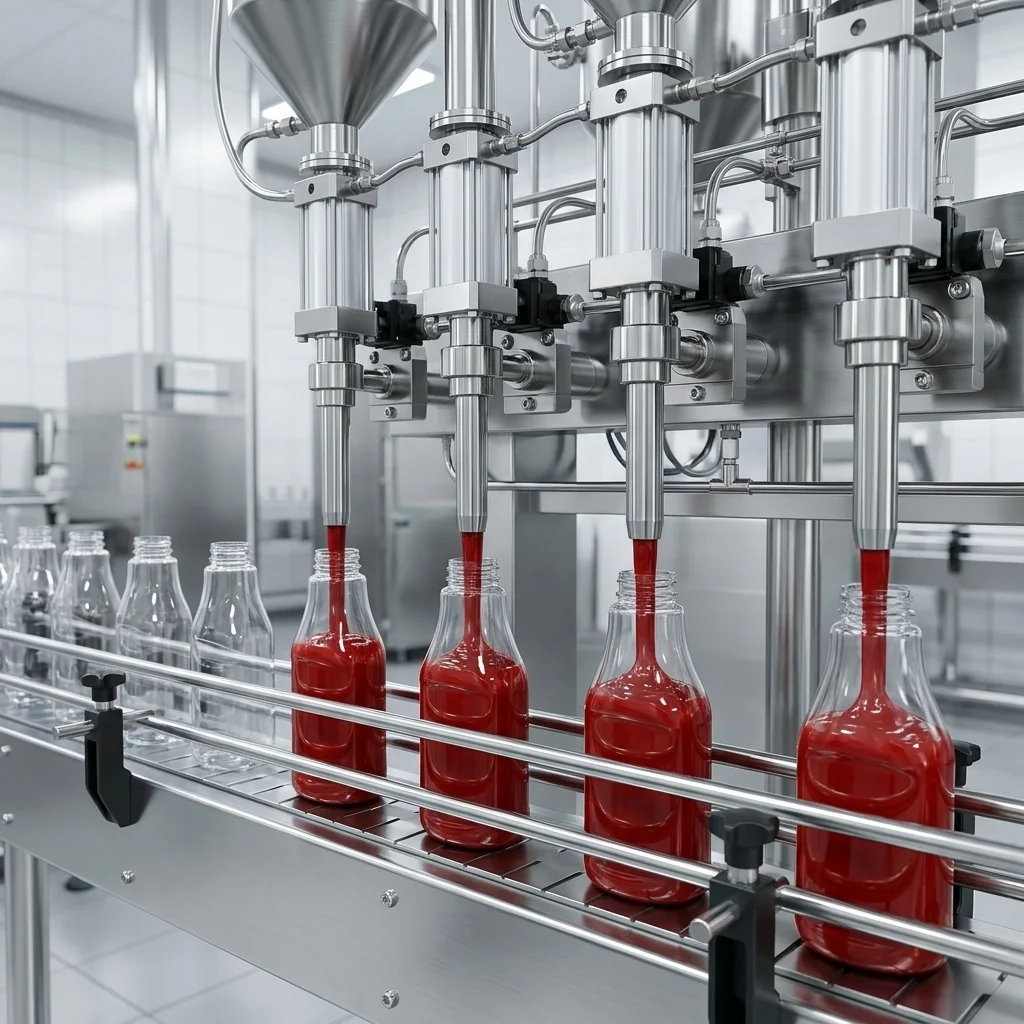
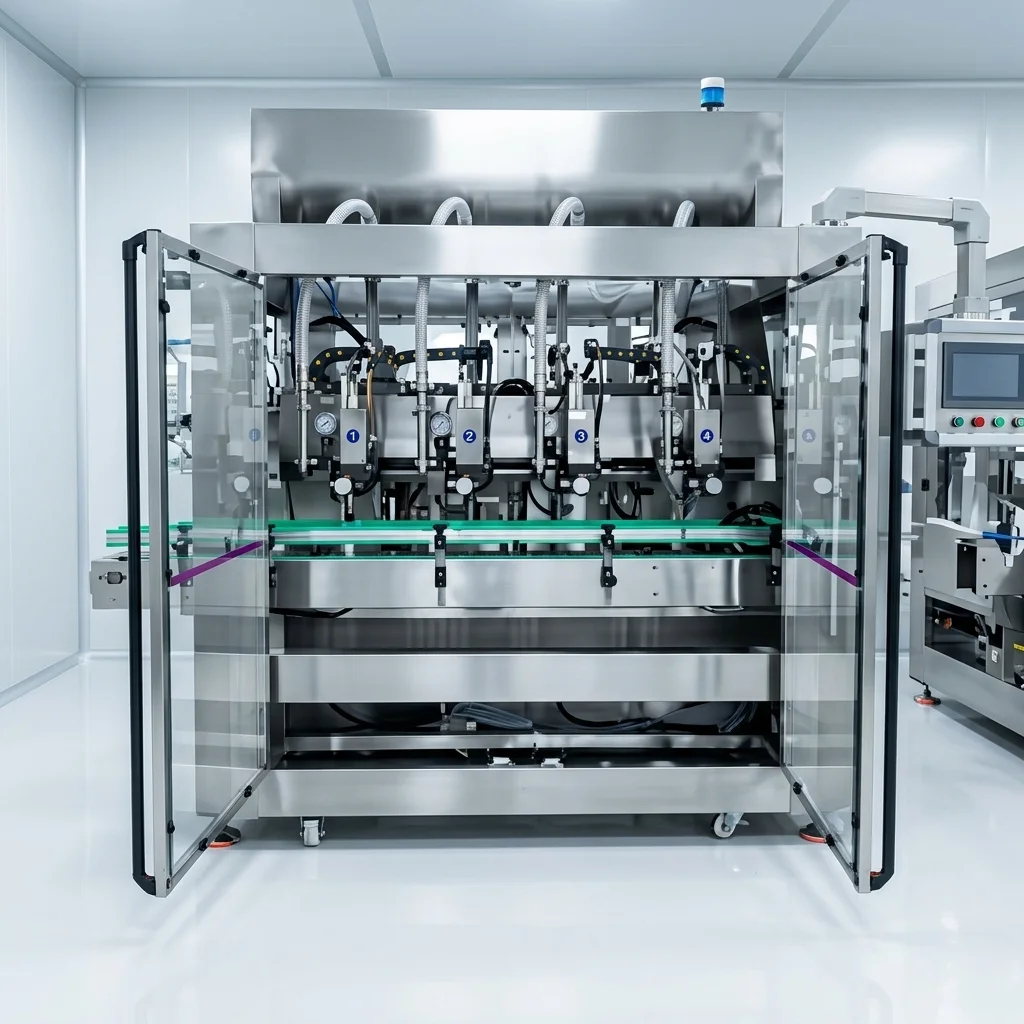
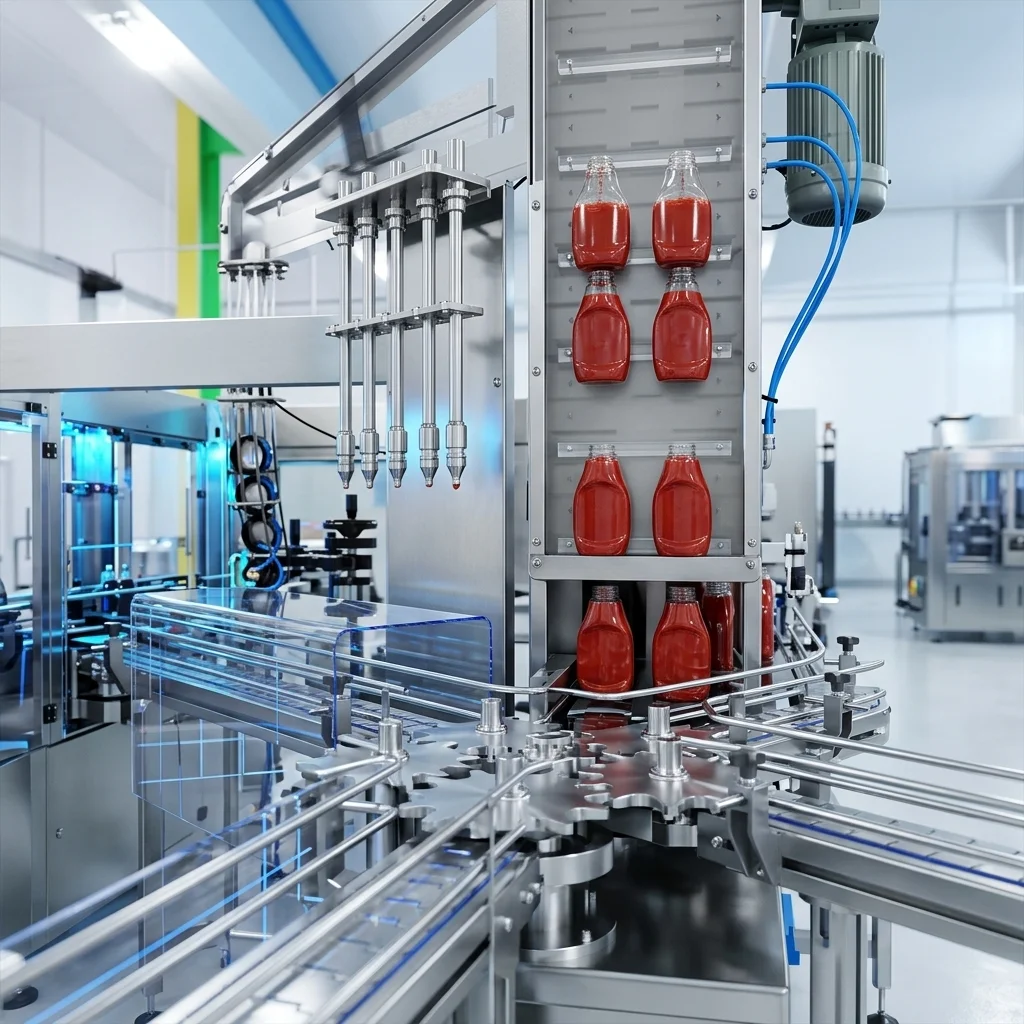
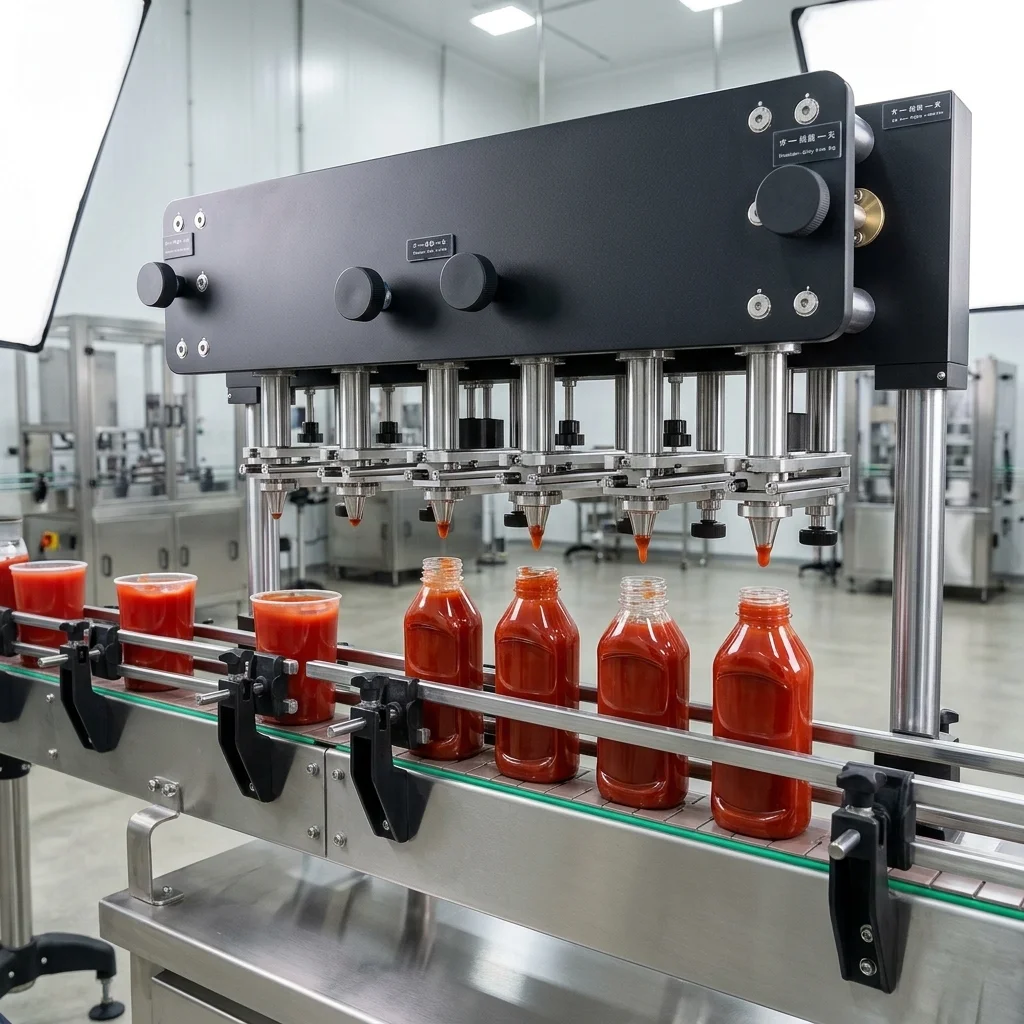
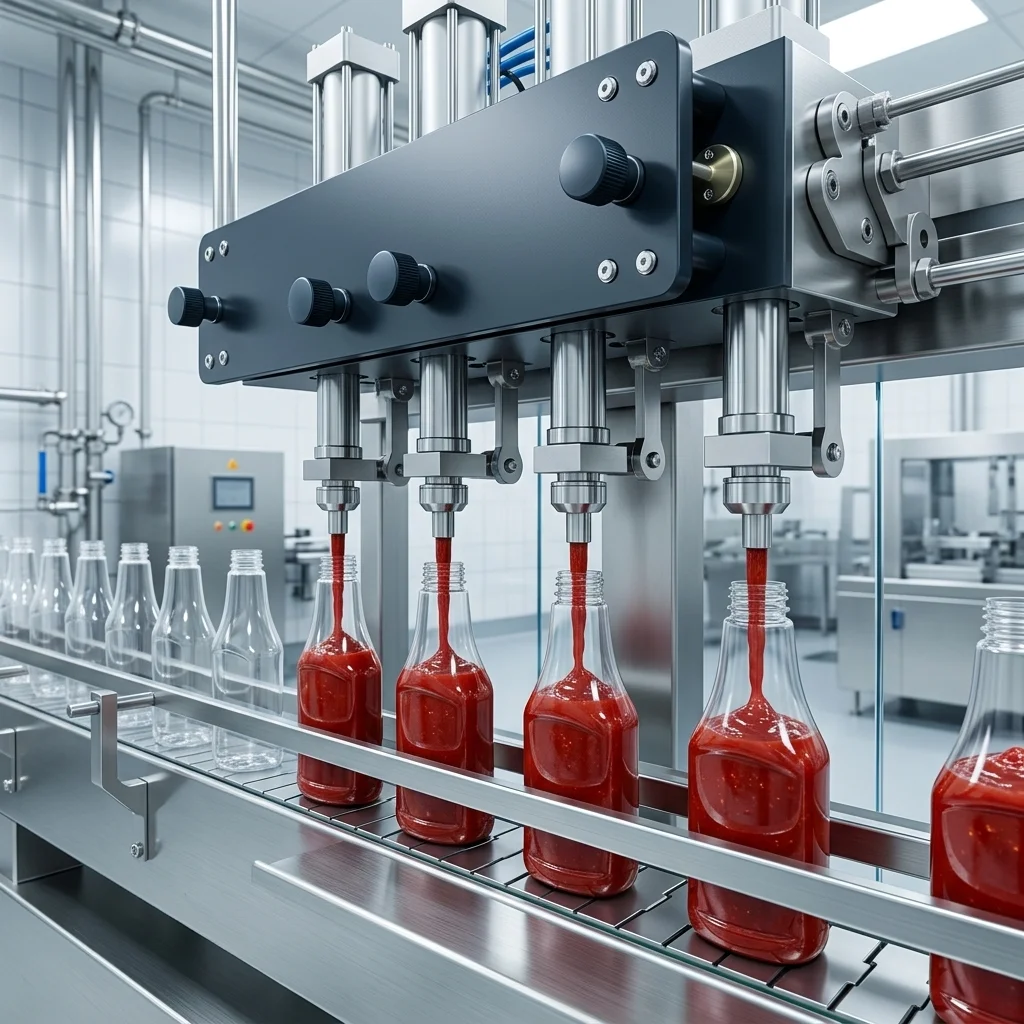
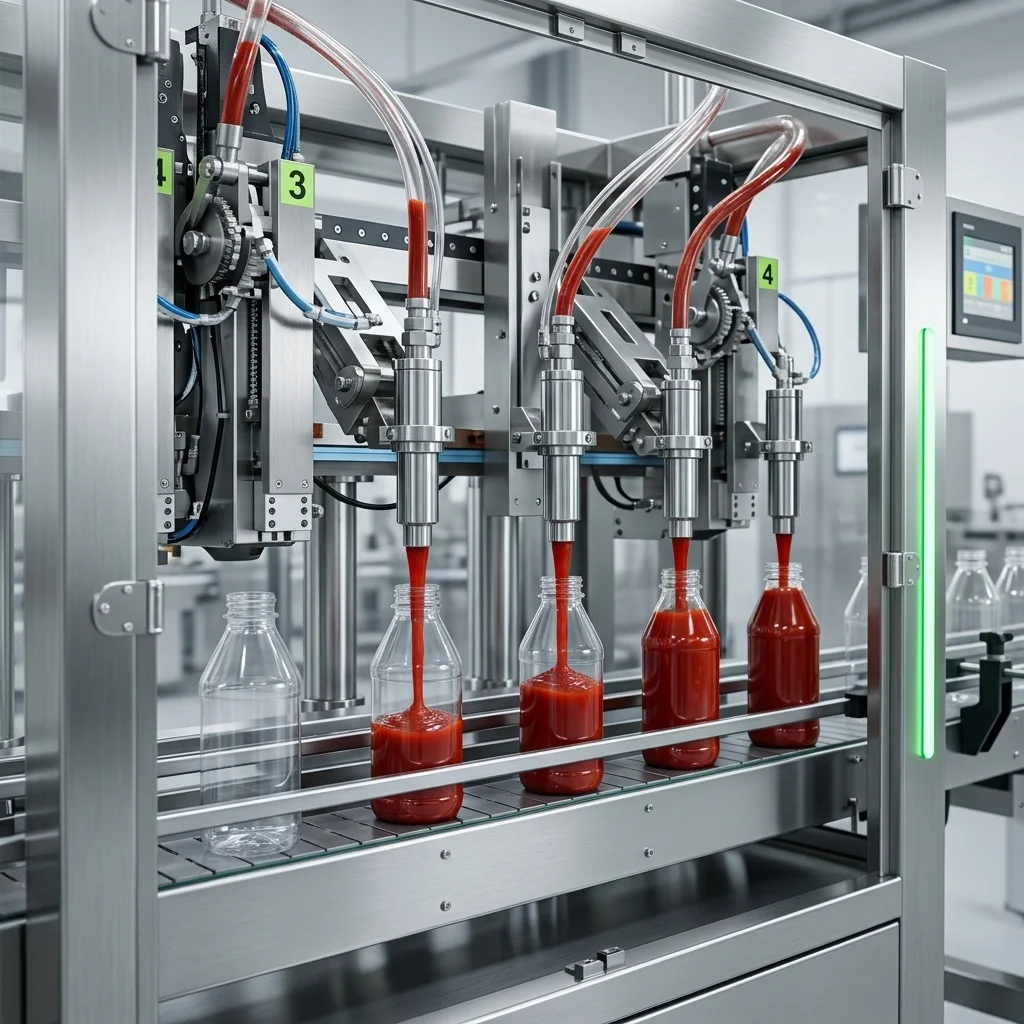
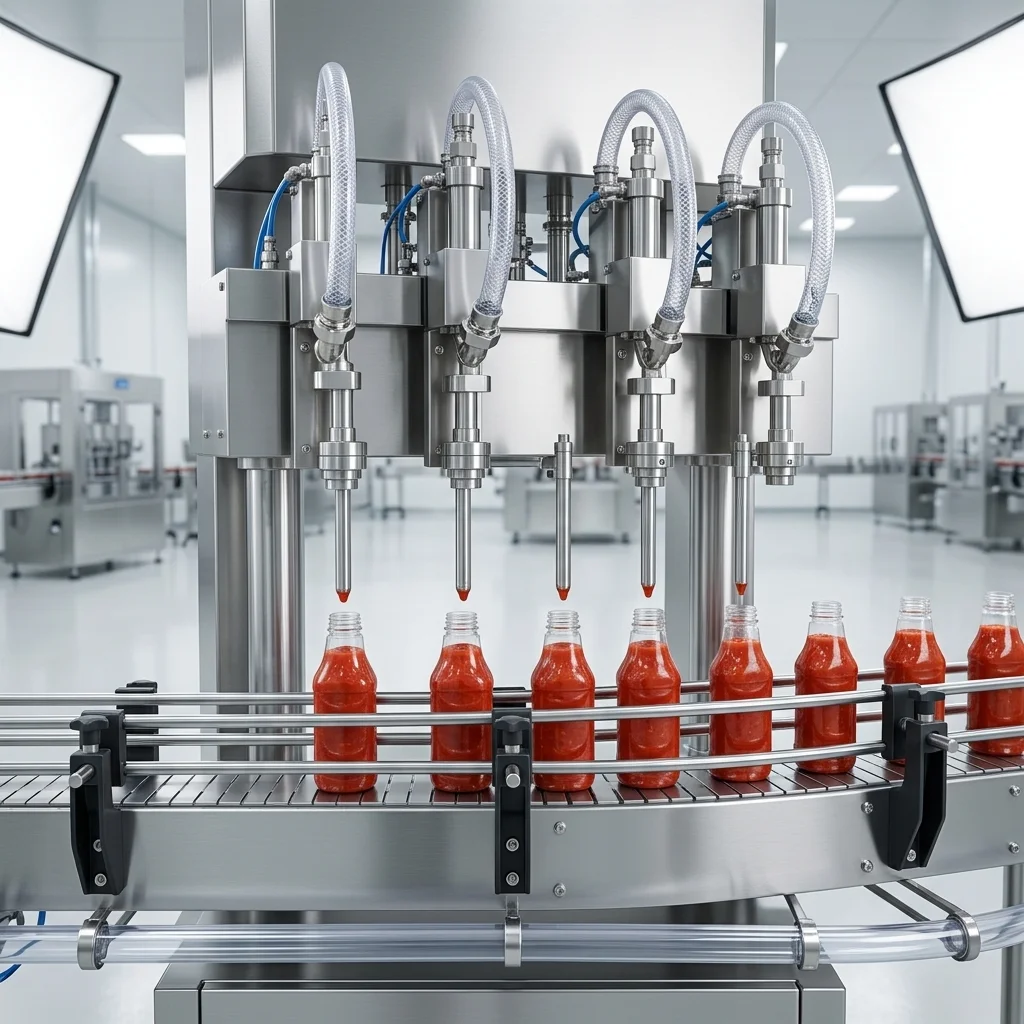
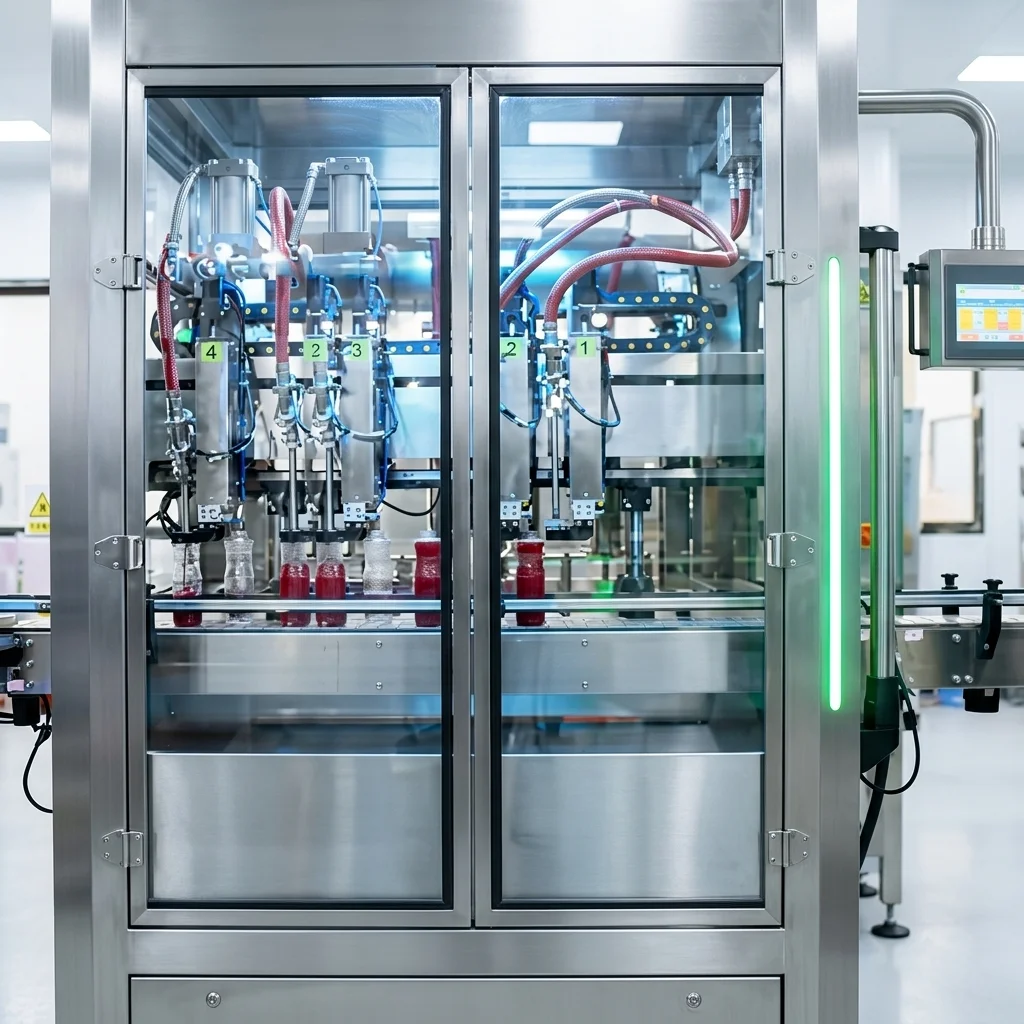
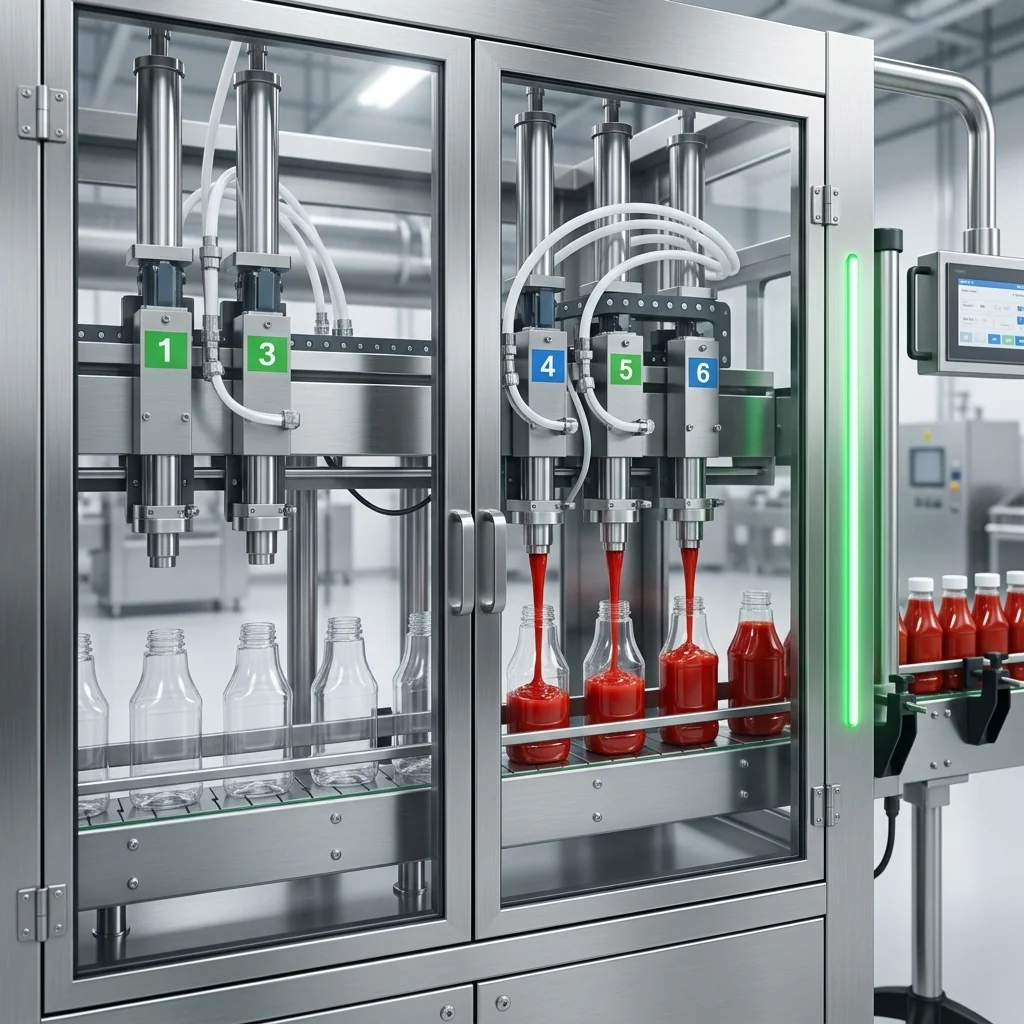
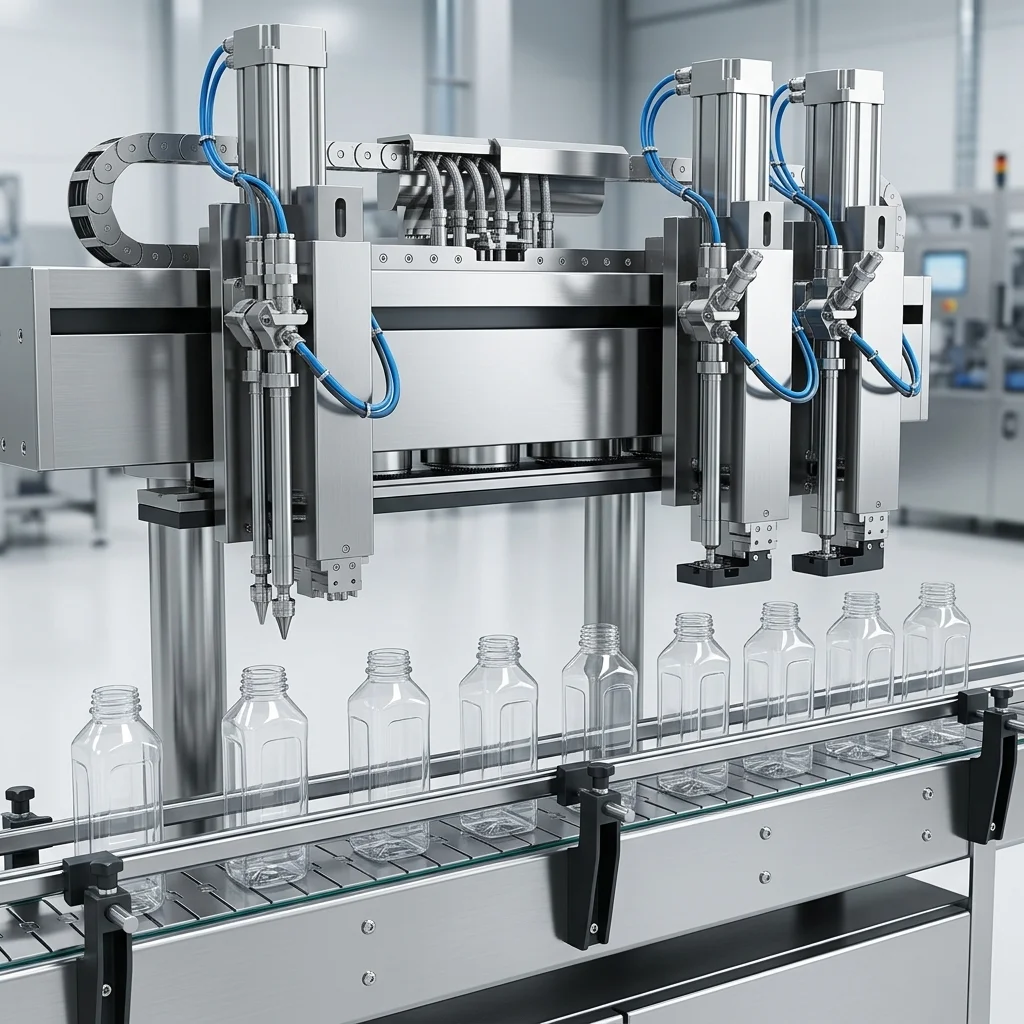
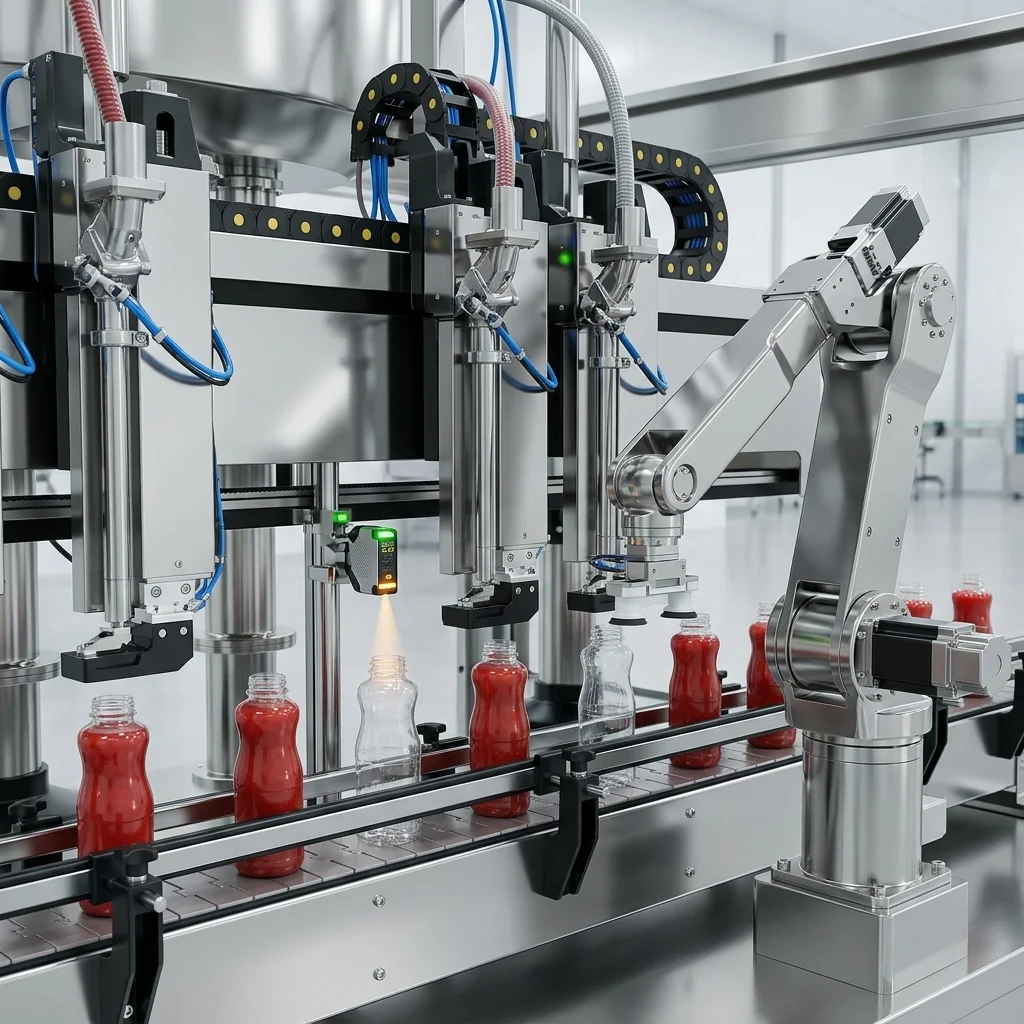
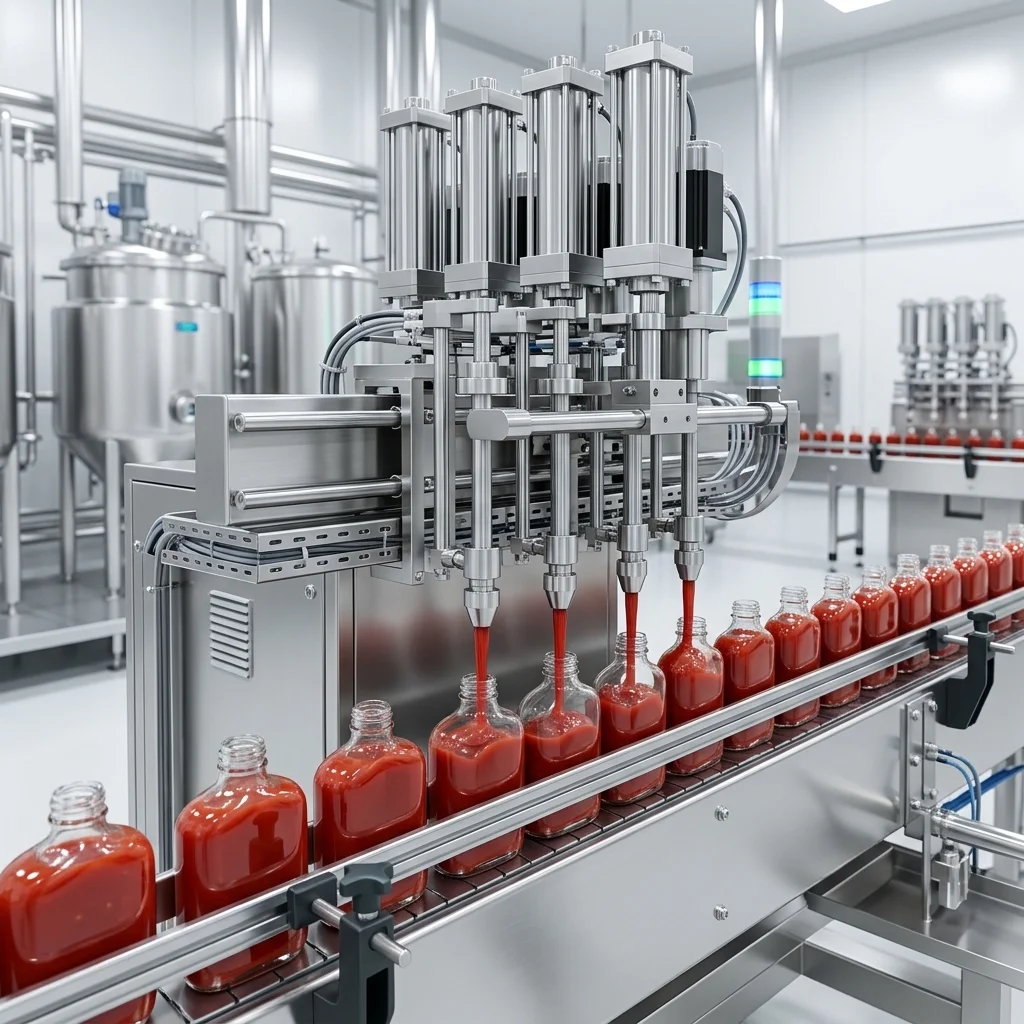
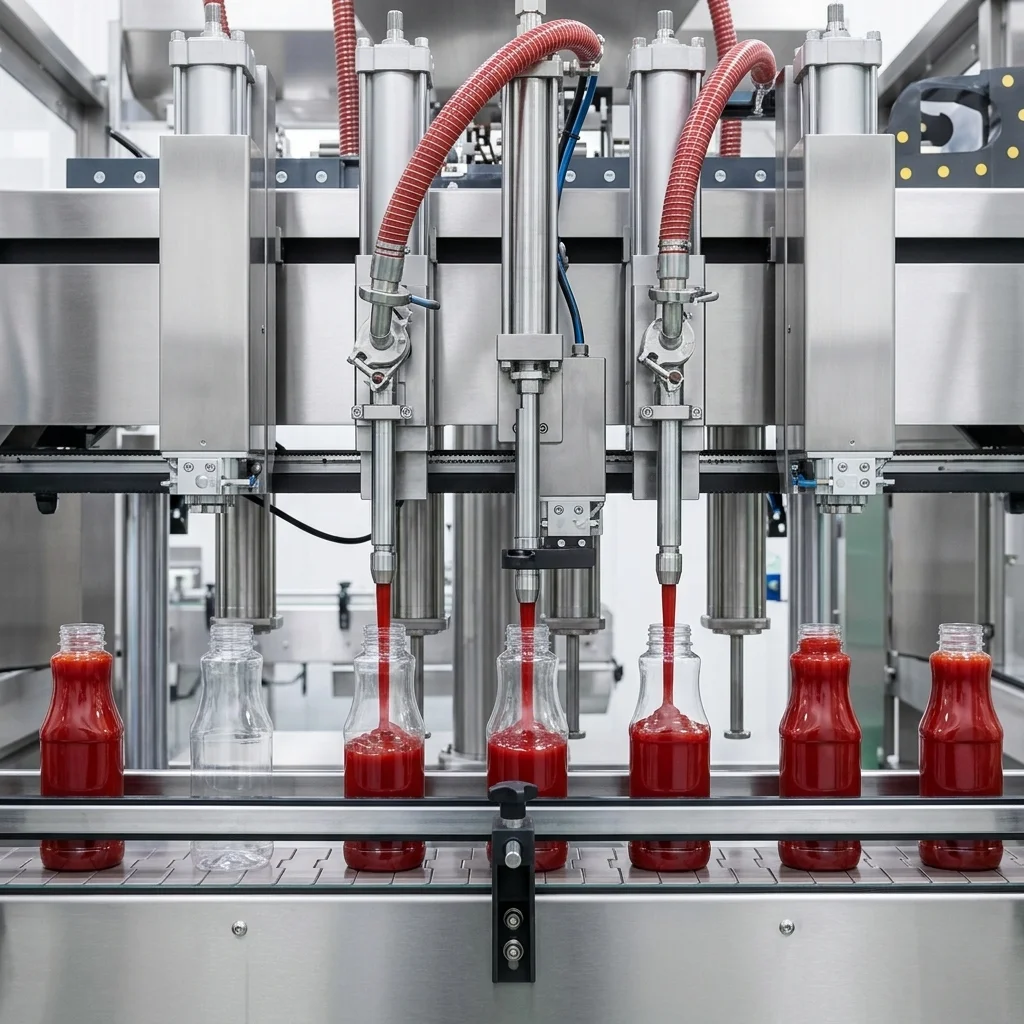
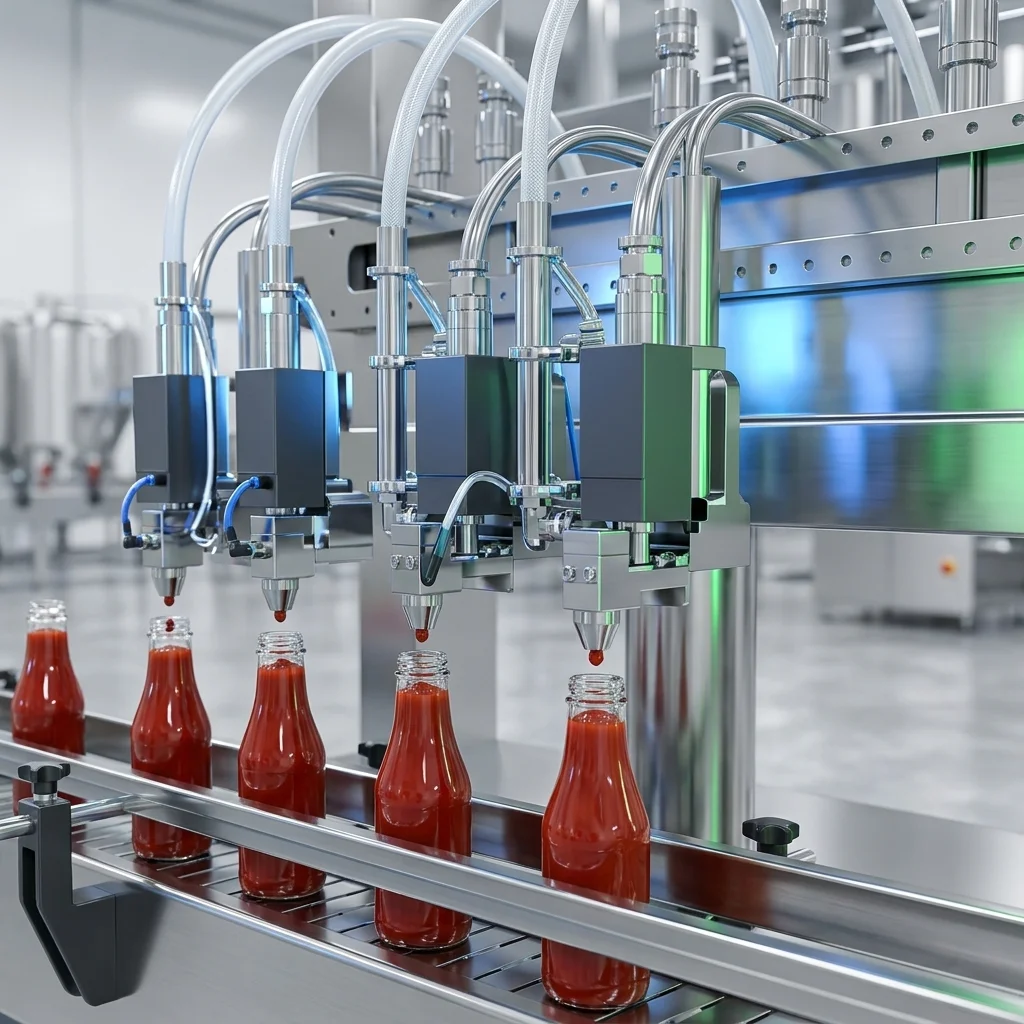
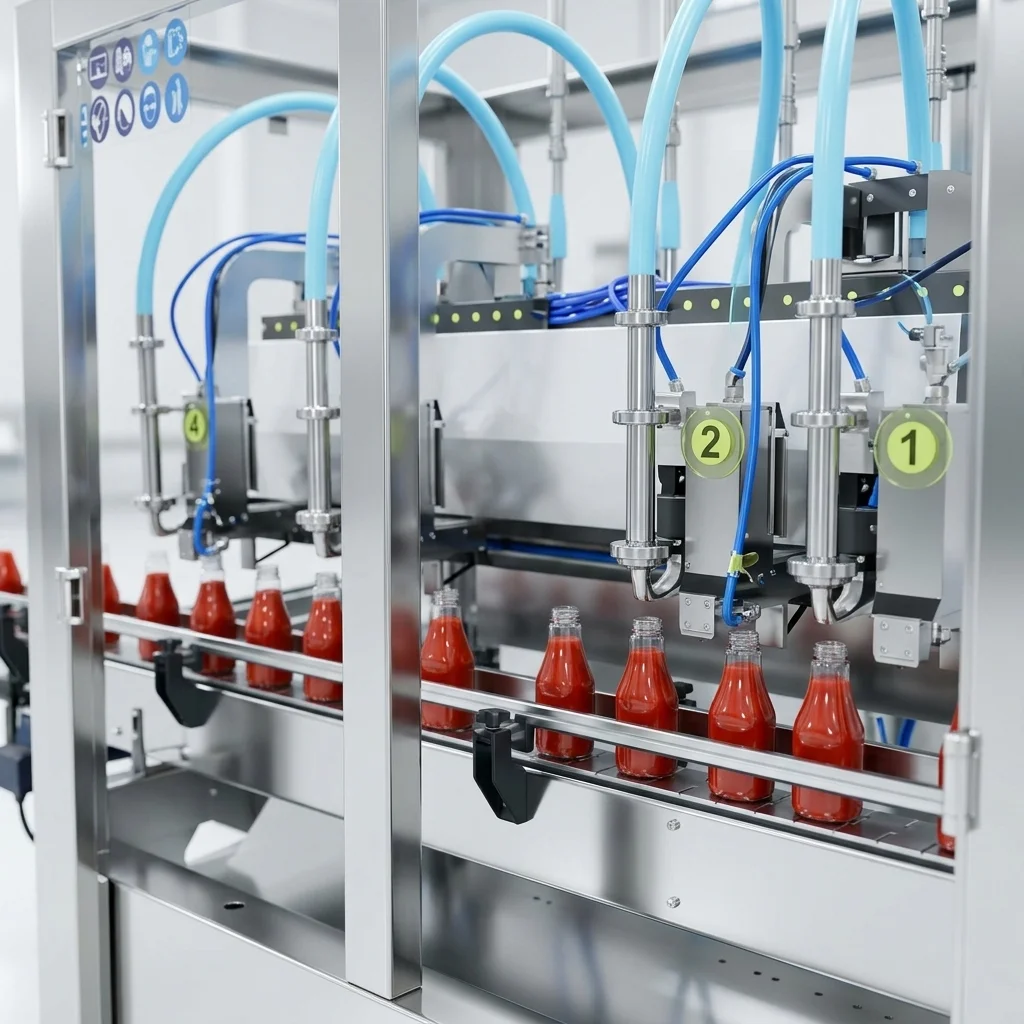
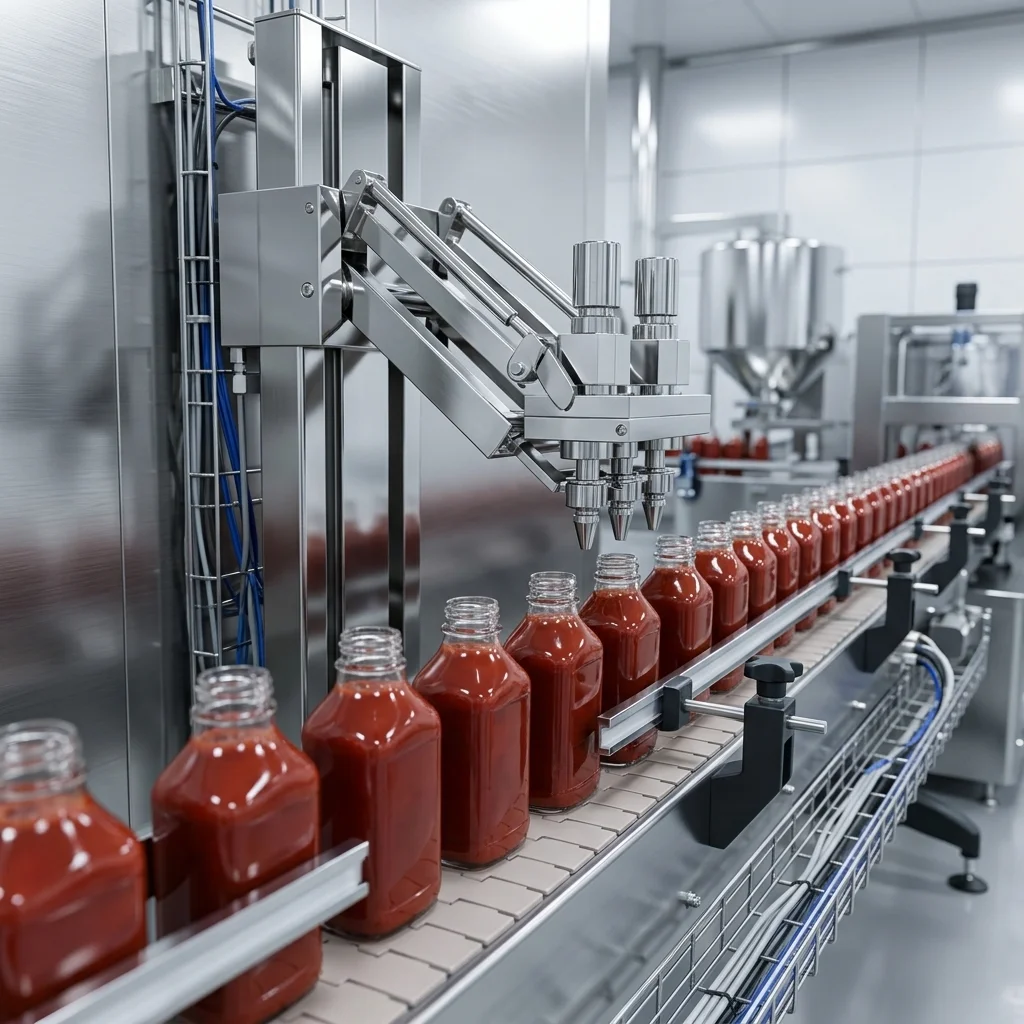
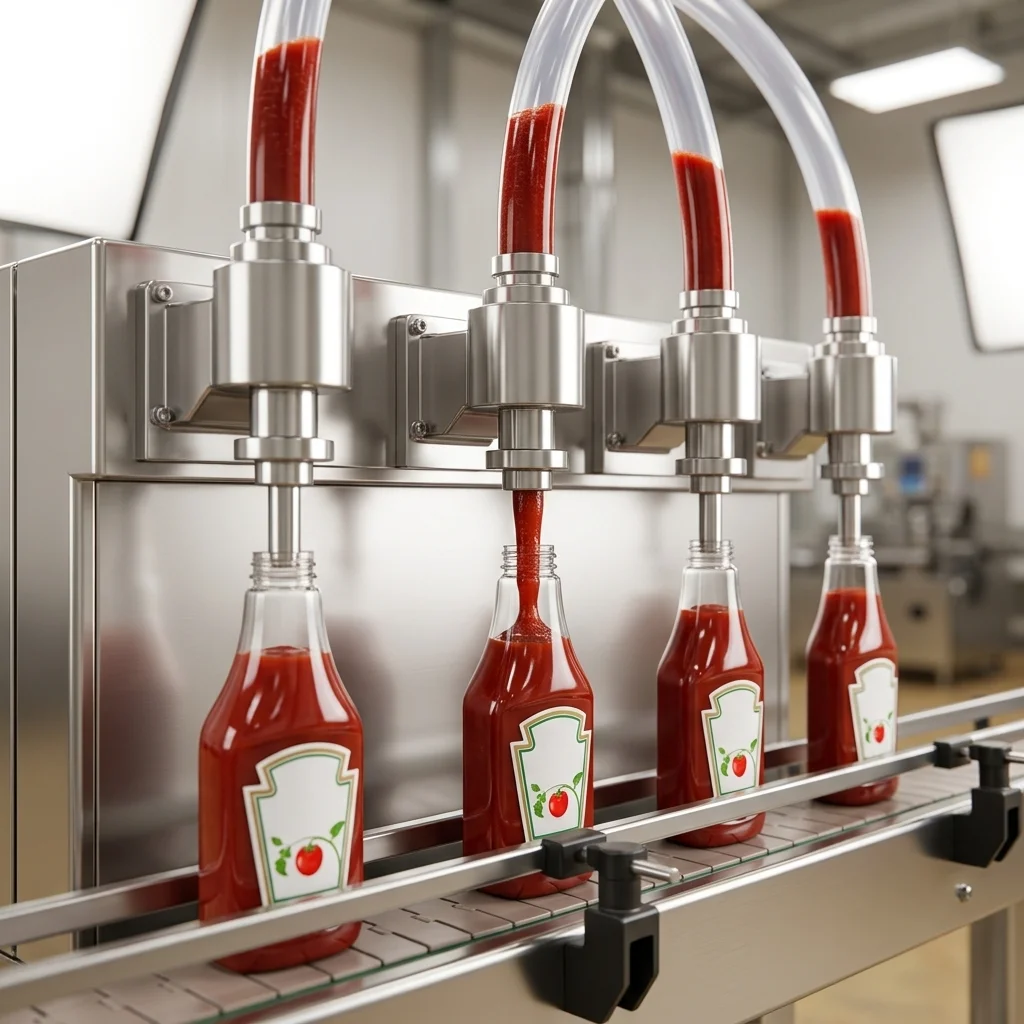
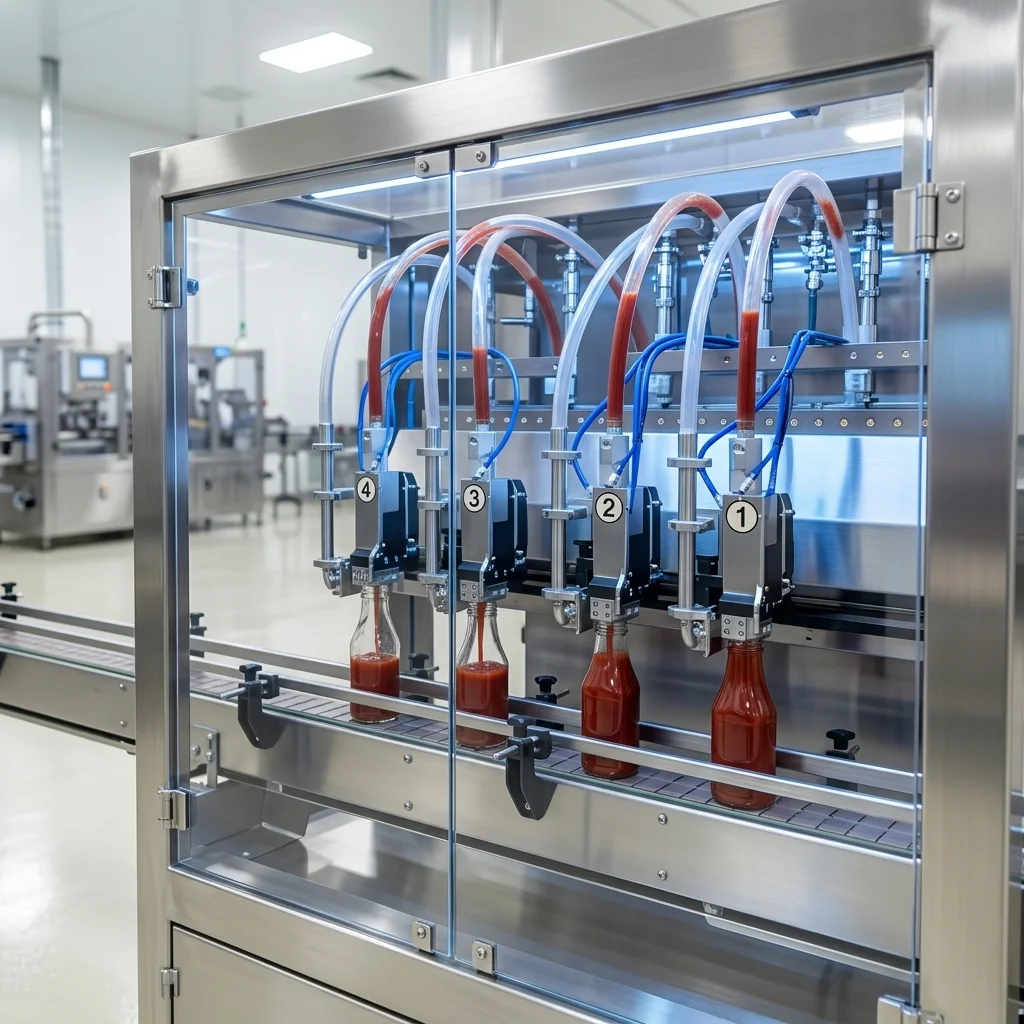
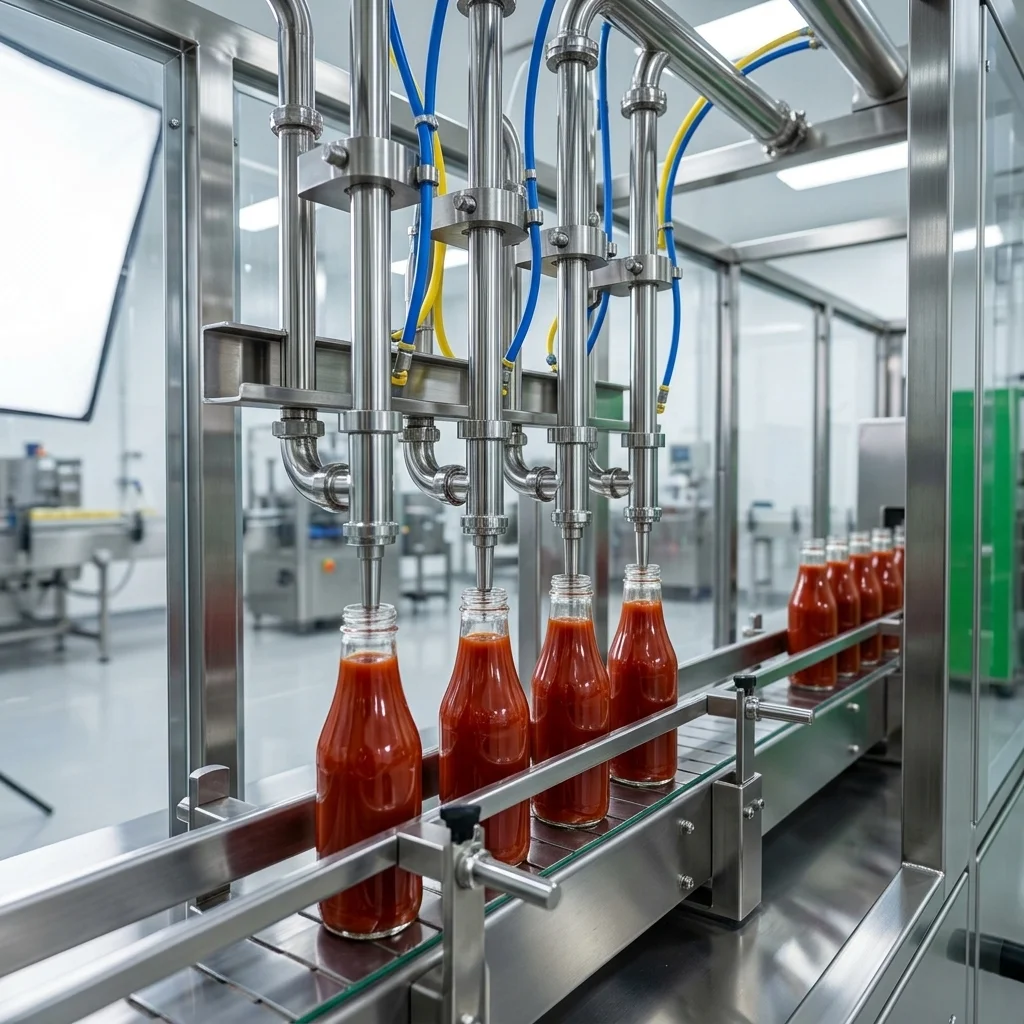
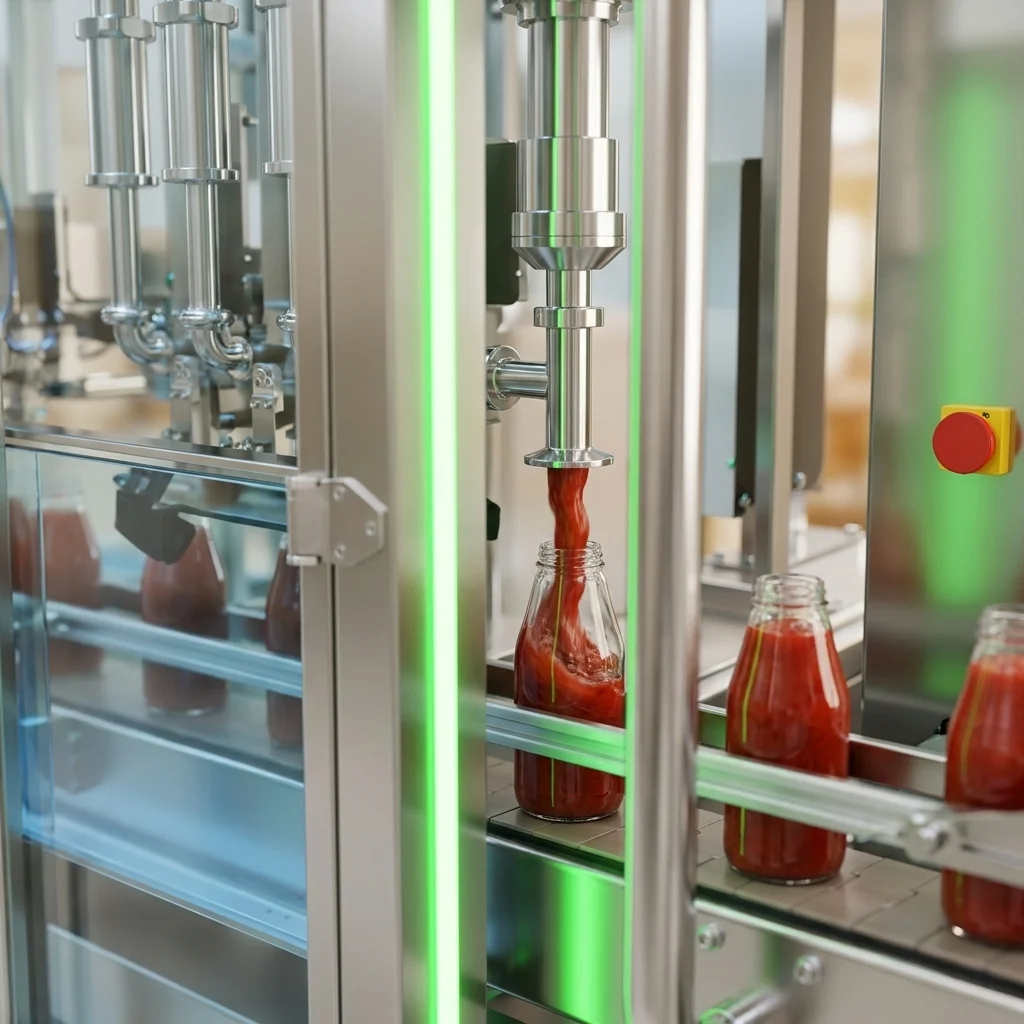
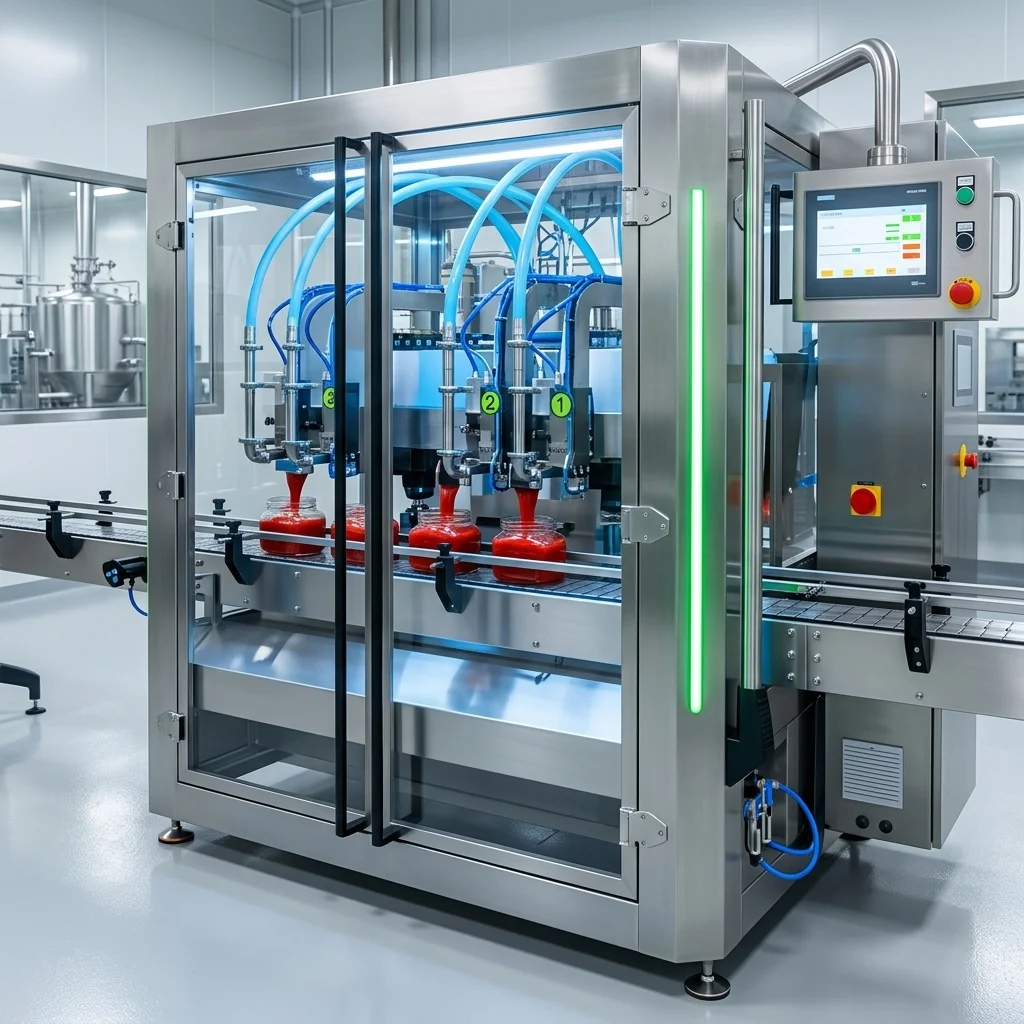
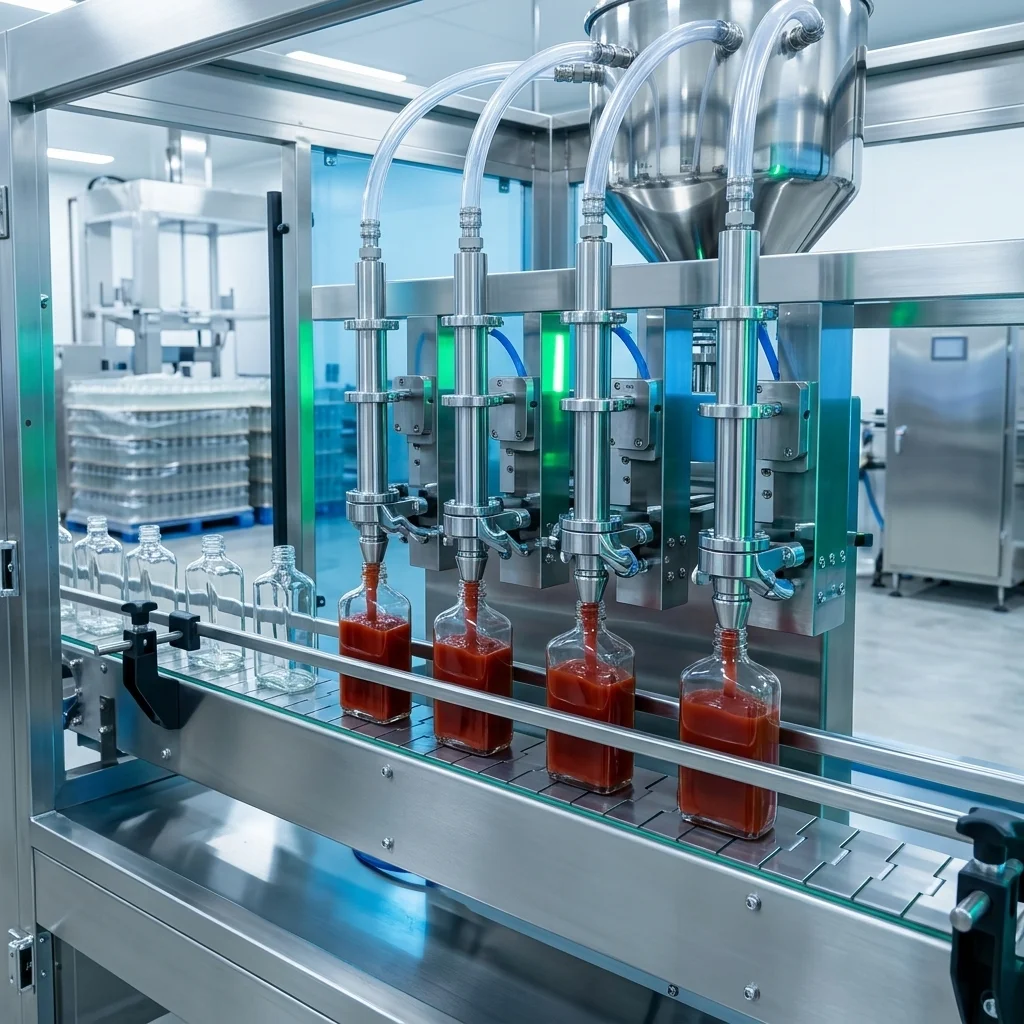
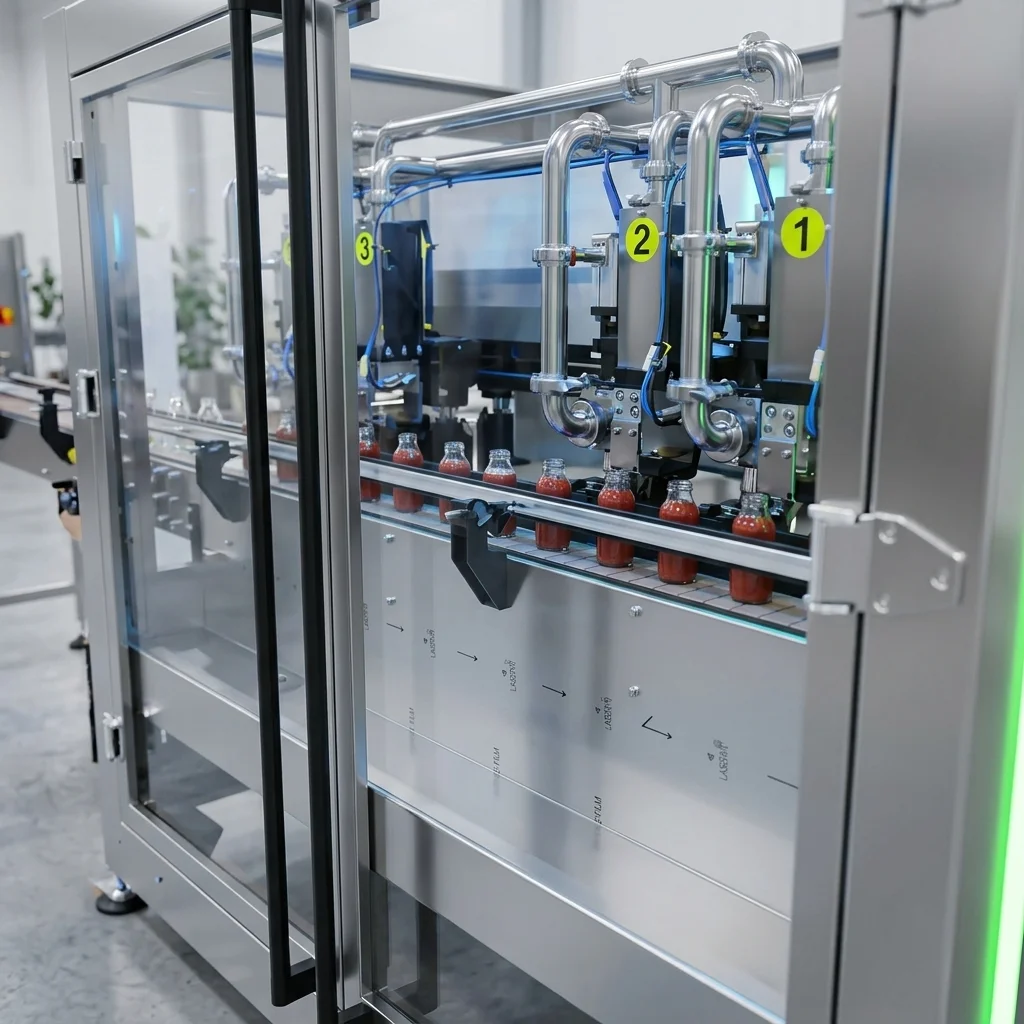
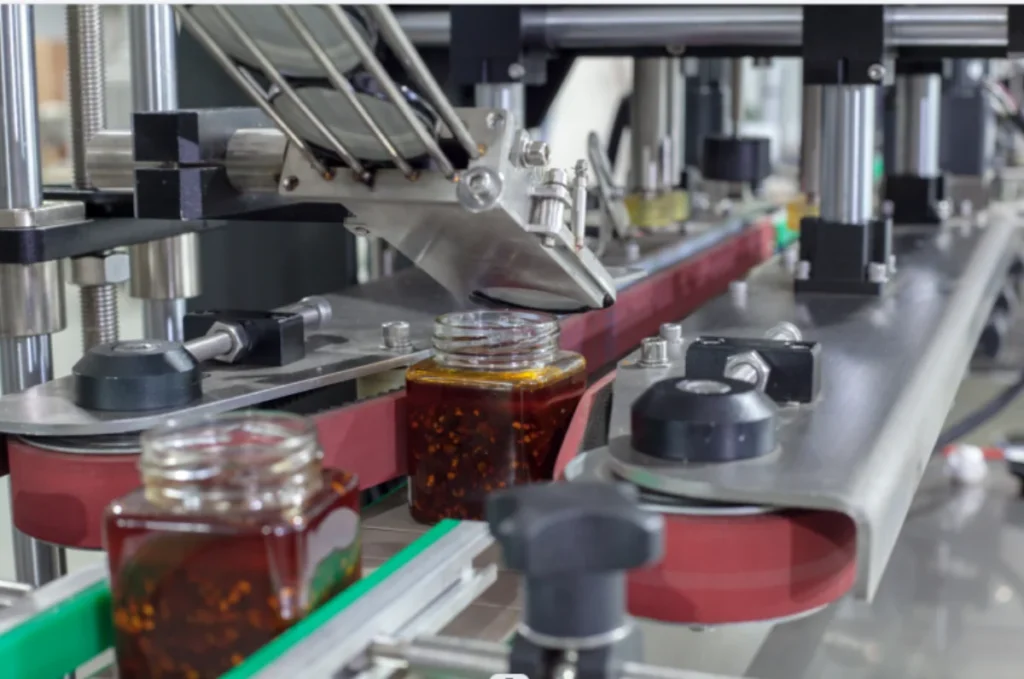
High-viscosity tomato paste and ketchup are prone to product stringing and nozzle dripping. Paste droplets on the glass threads prevent airtight steam-vacuum sealing during capping.
Waterfall Cap Arranger operational video: demonstrating real-world tomato paste process stability.
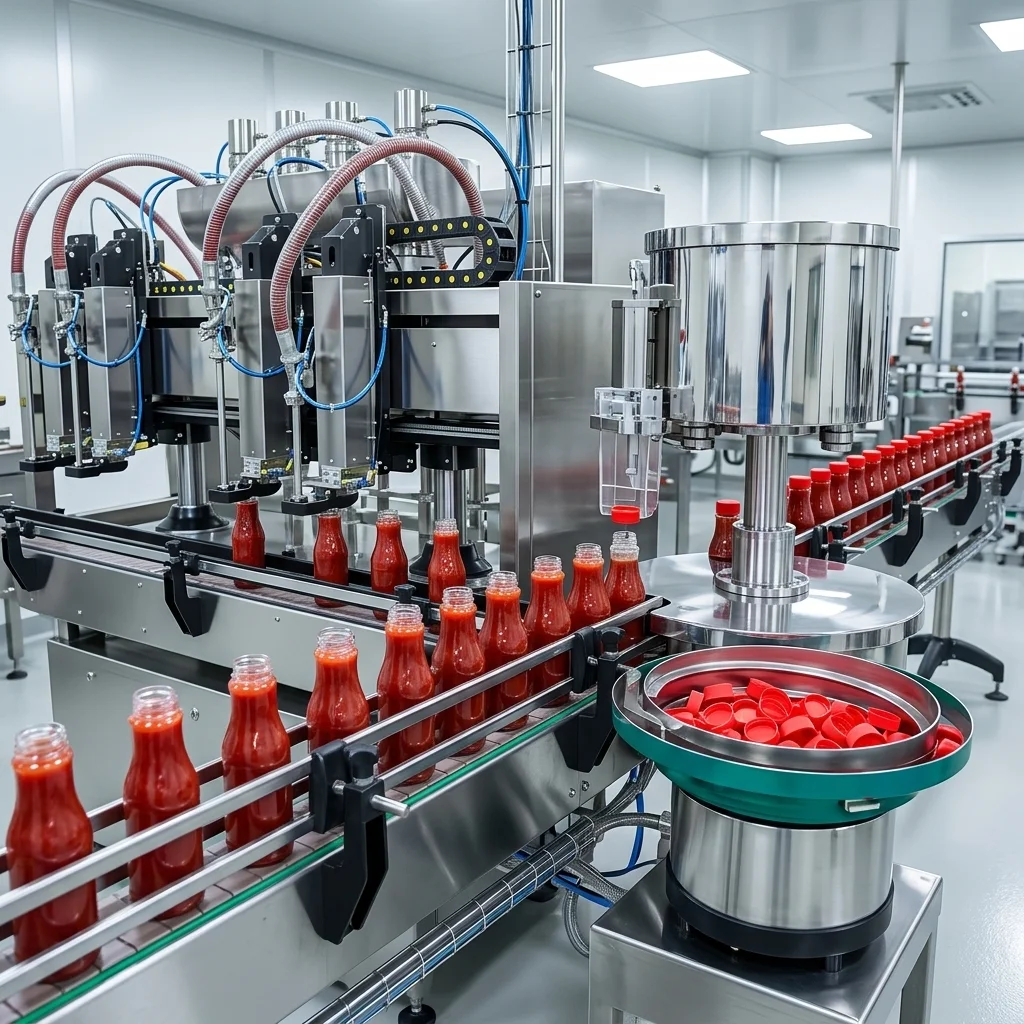
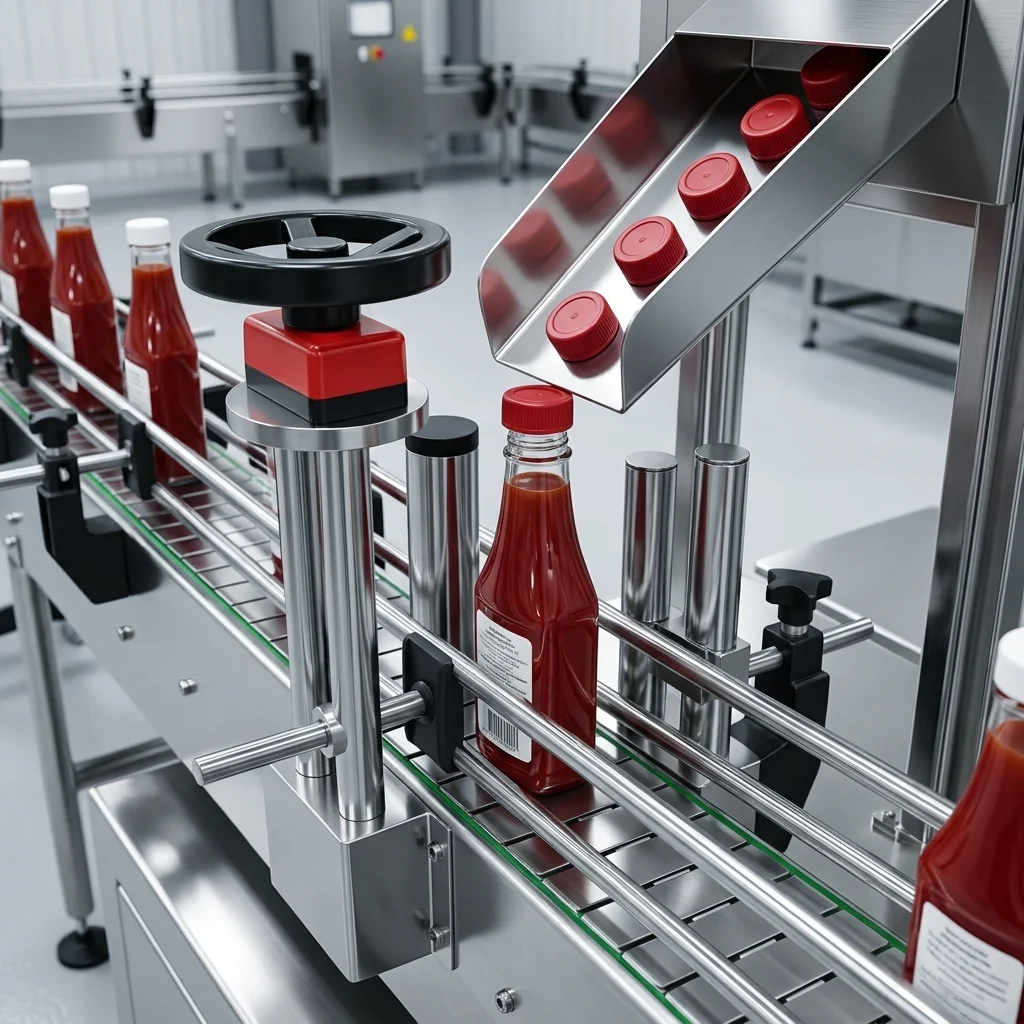
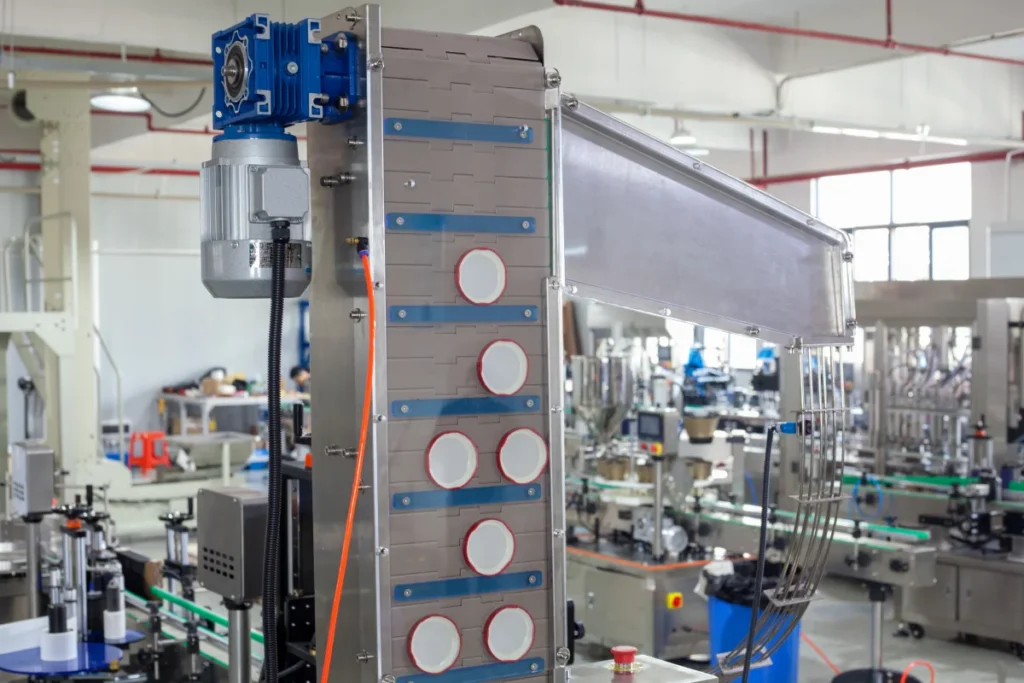
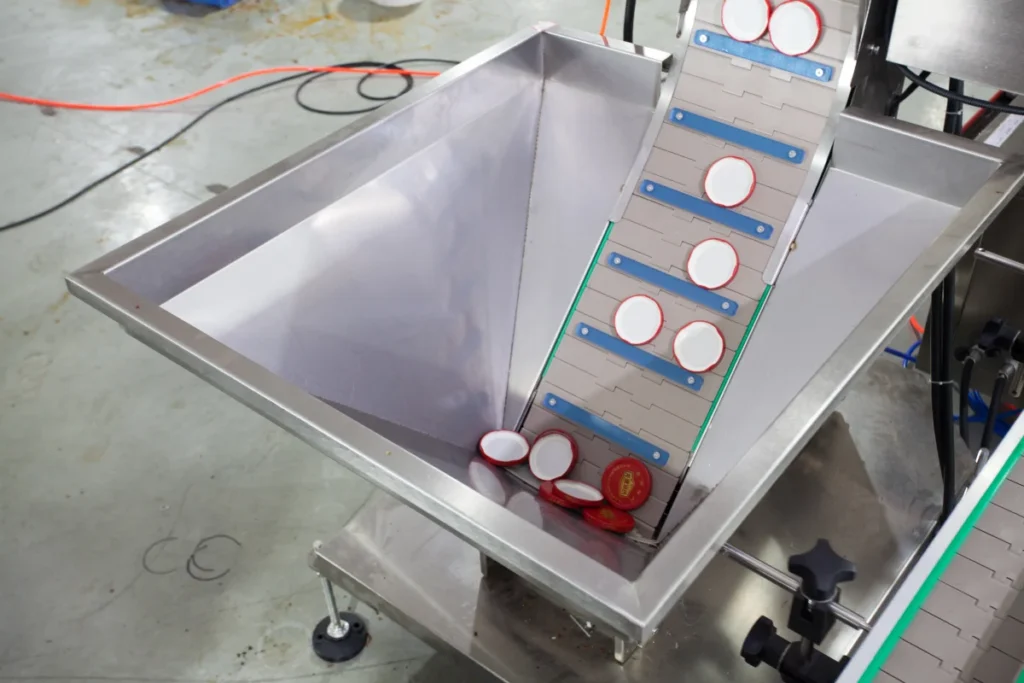
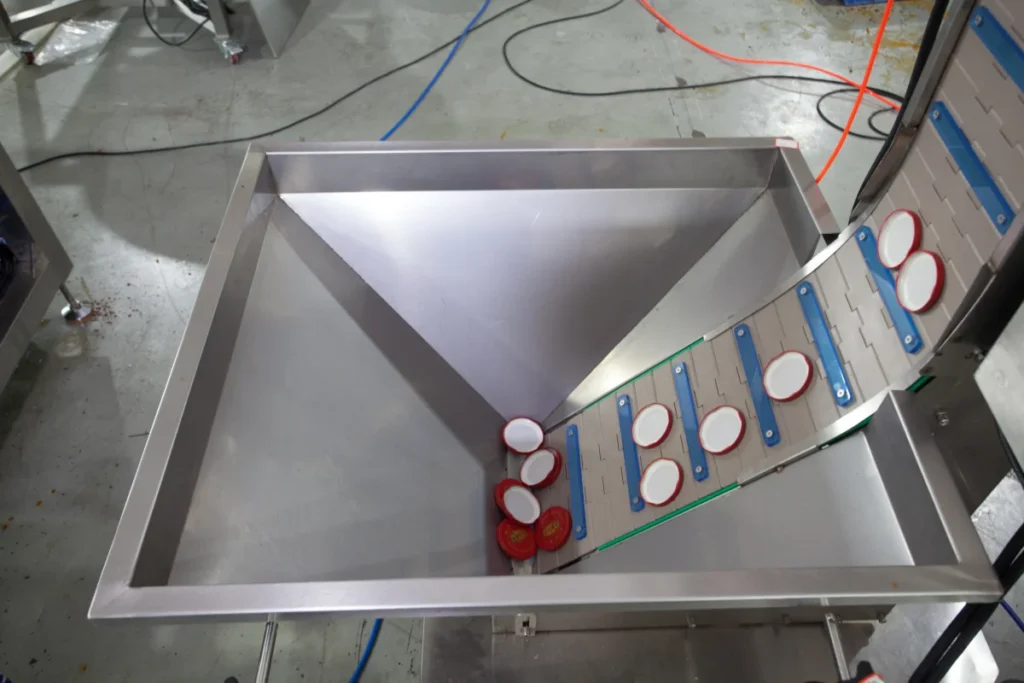
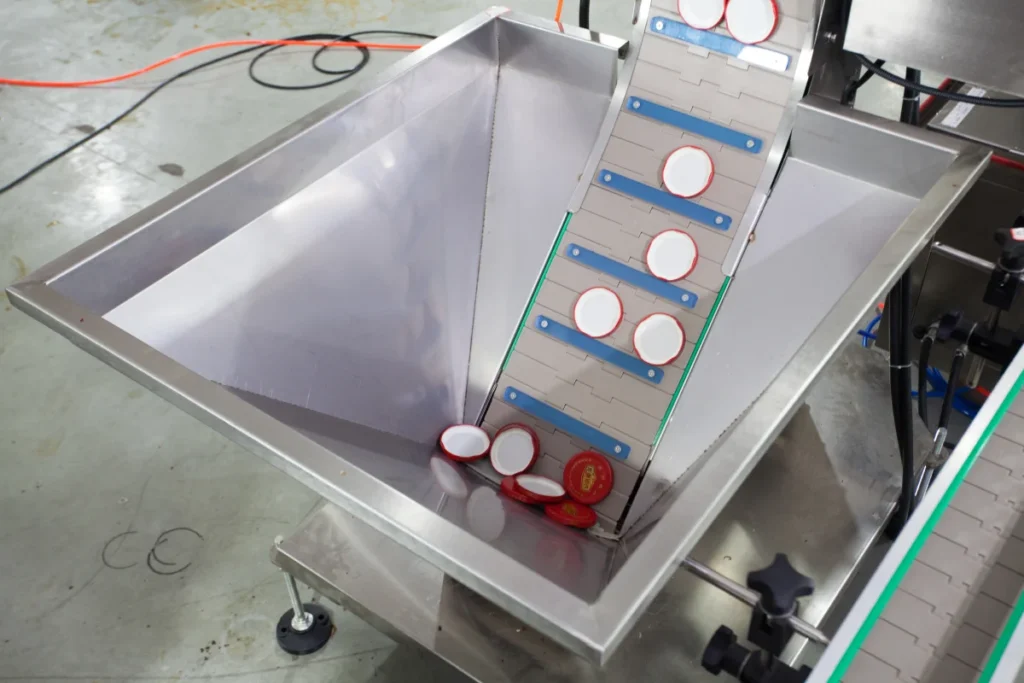
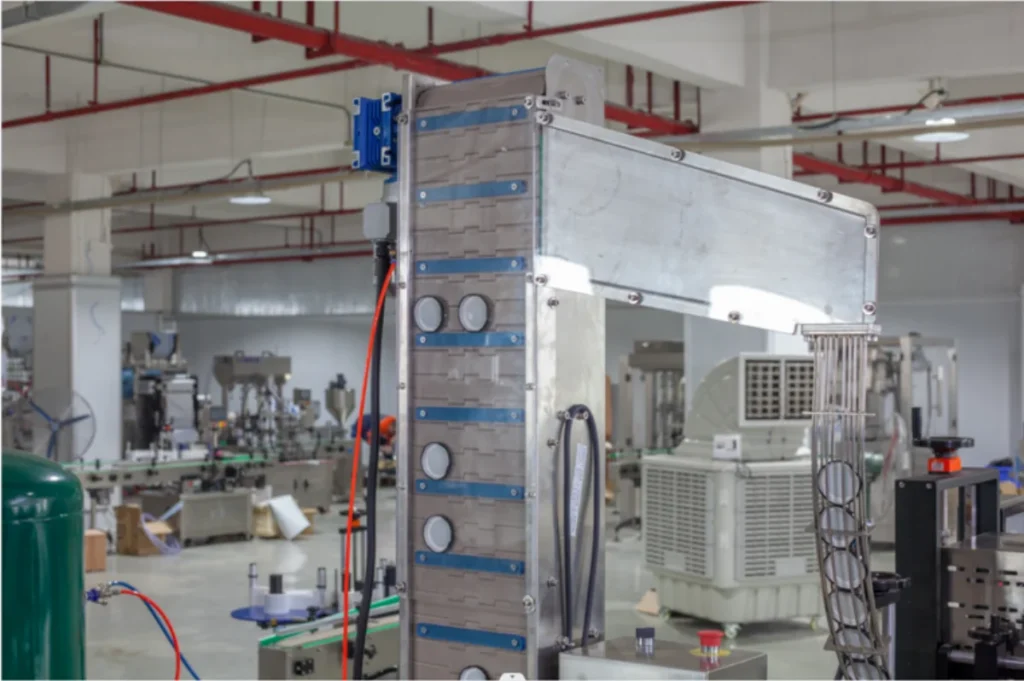
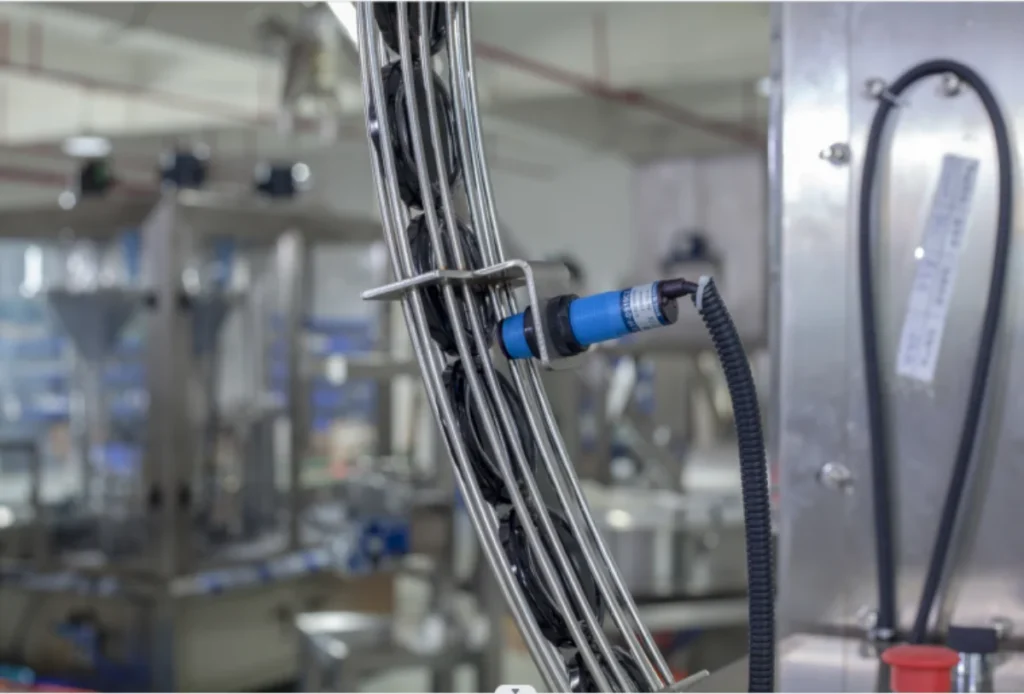
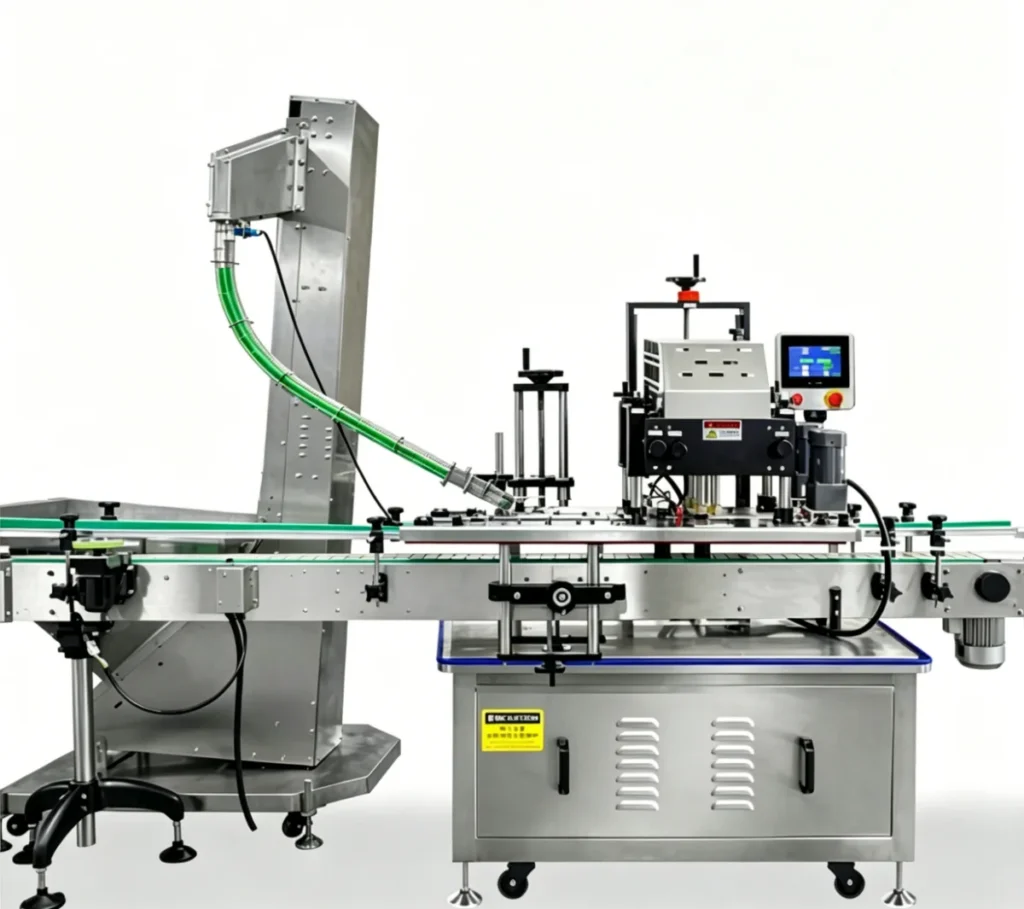
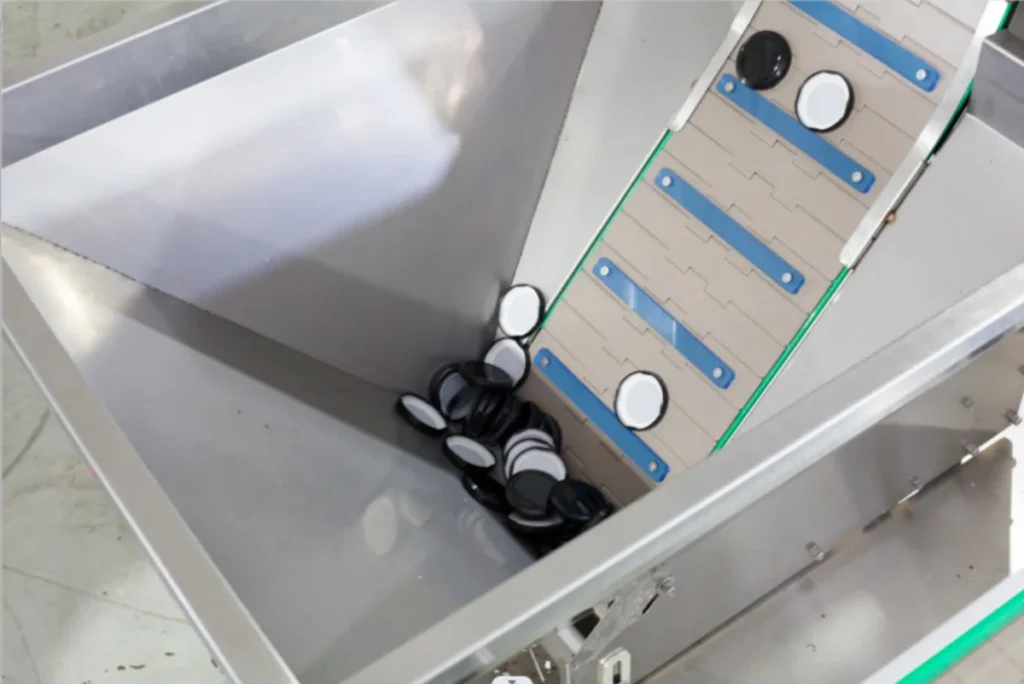
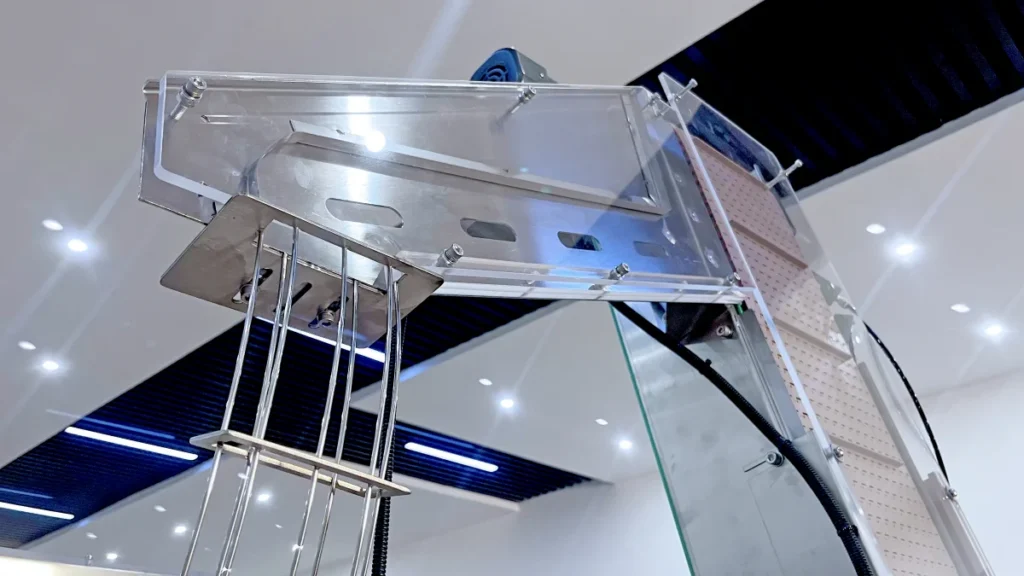
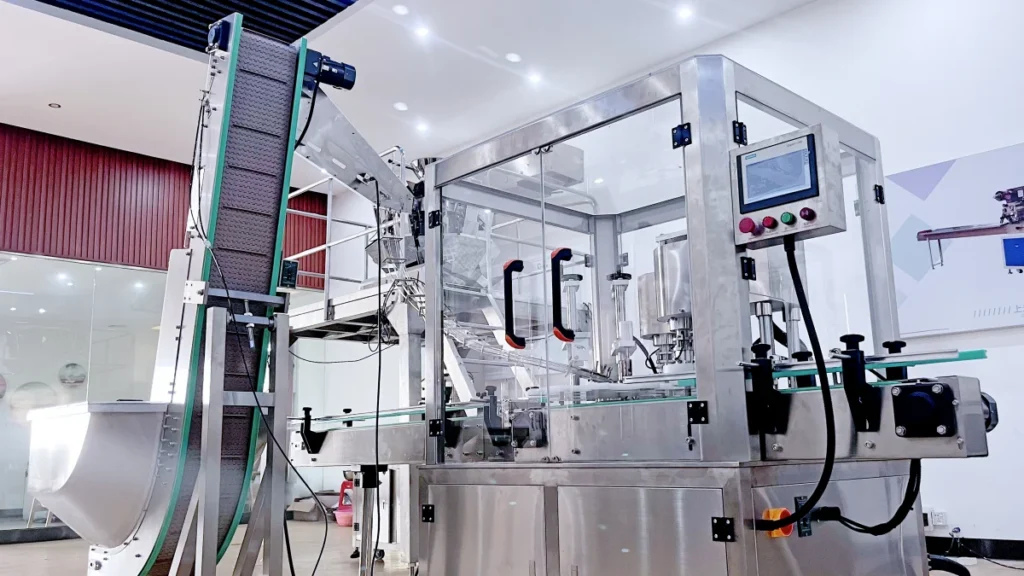
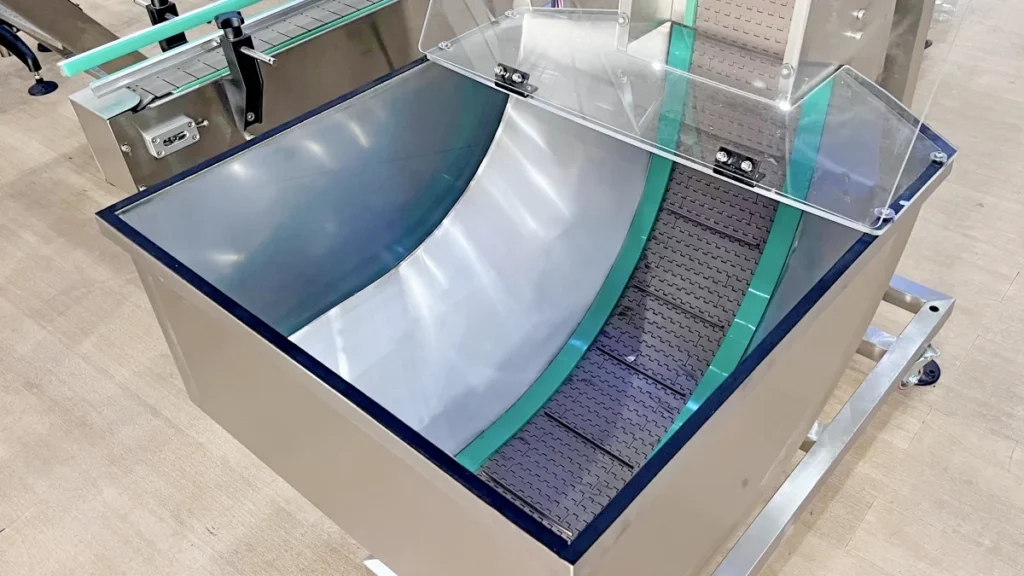
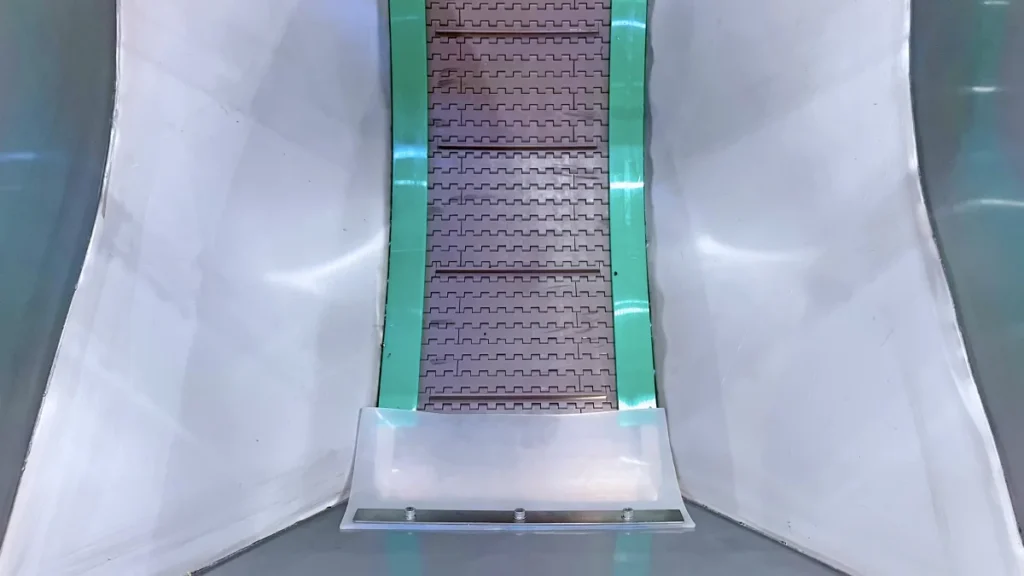
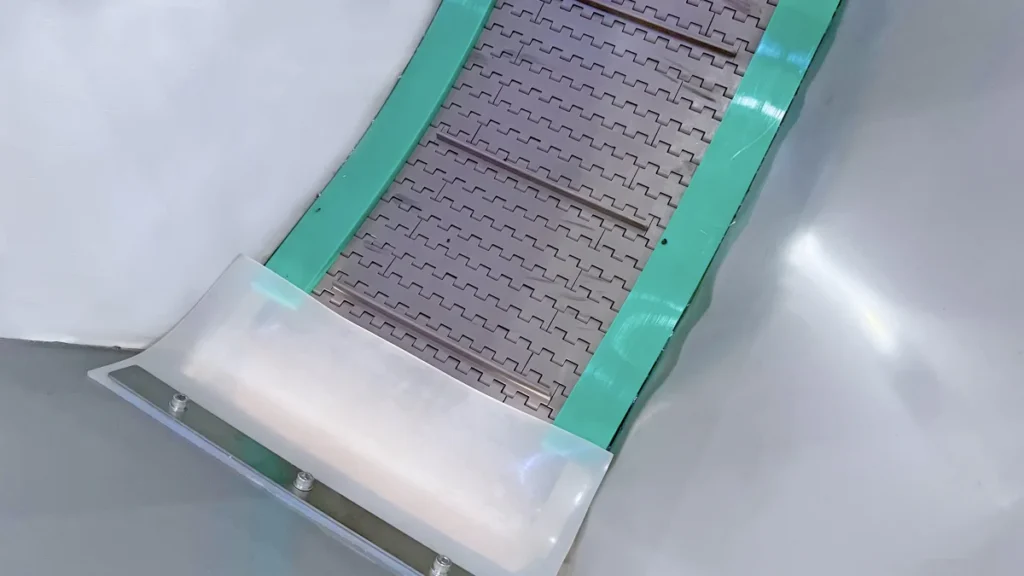
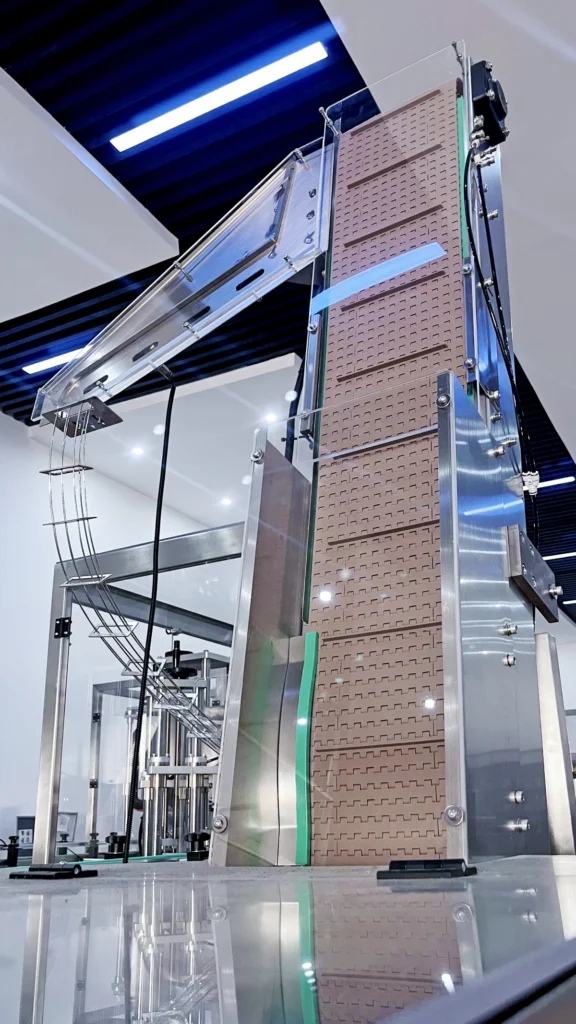
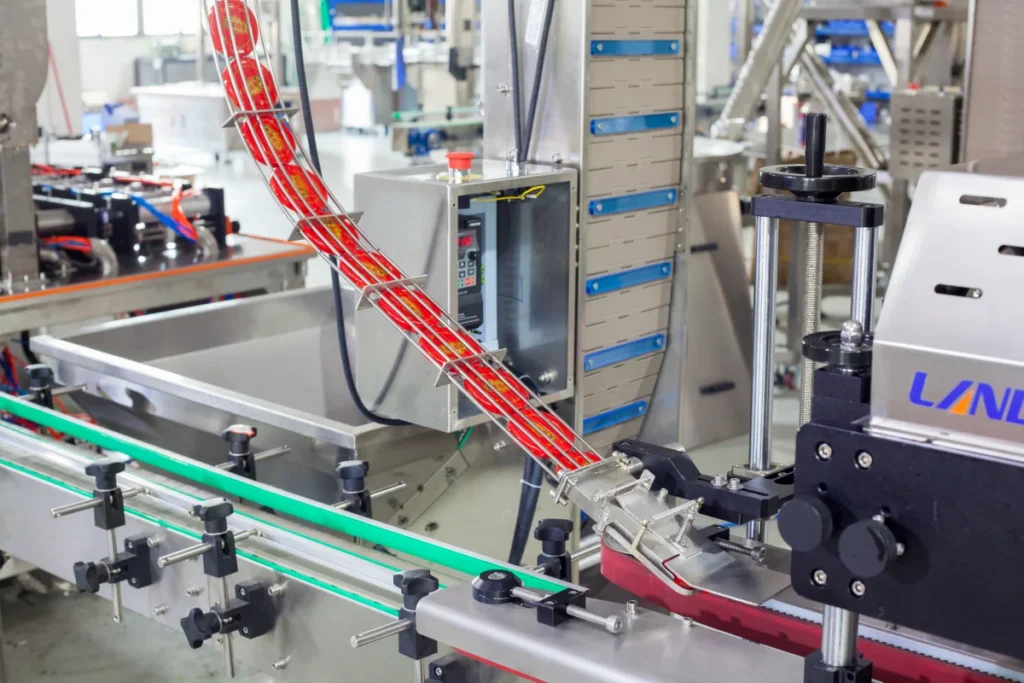
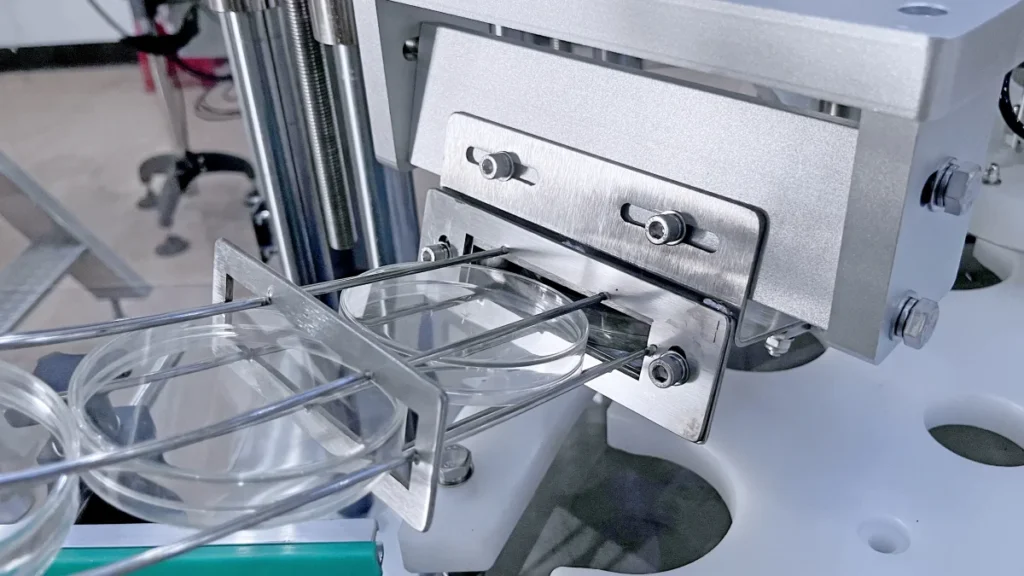
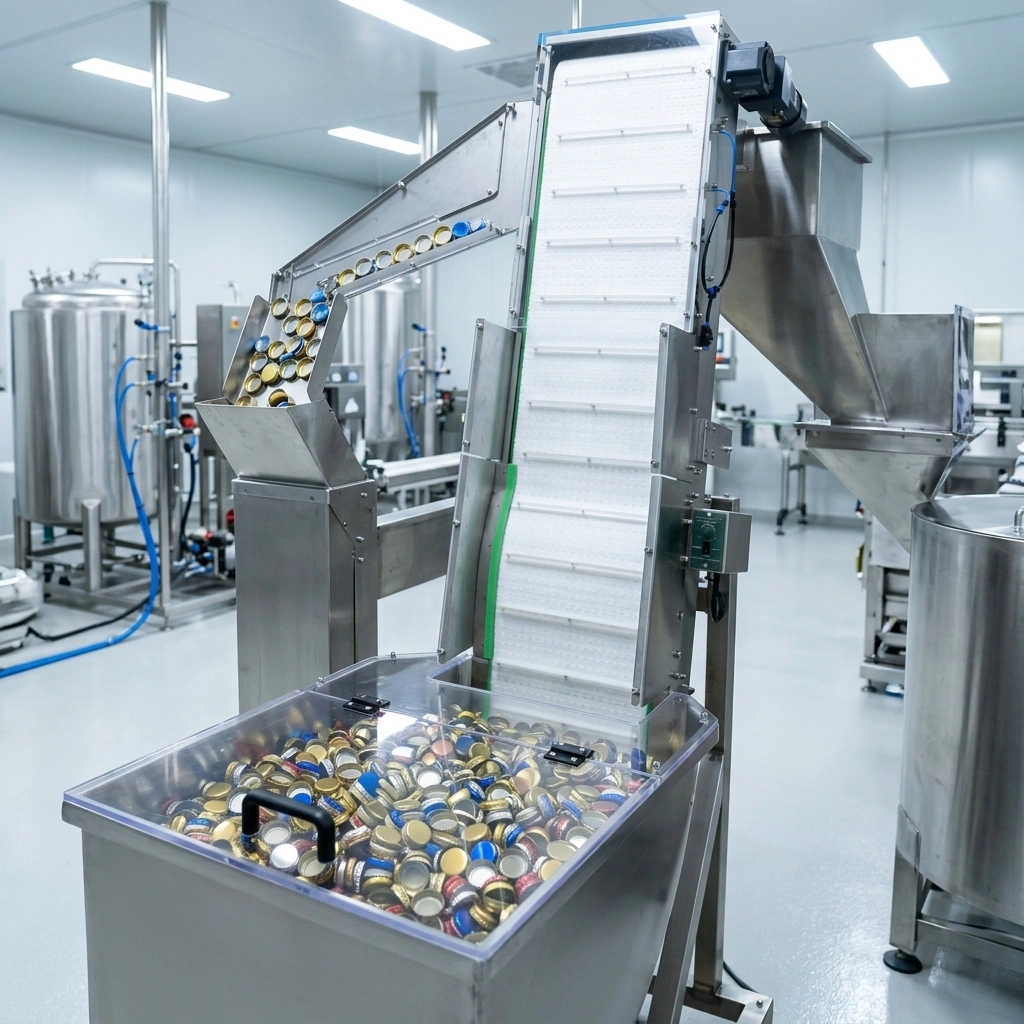
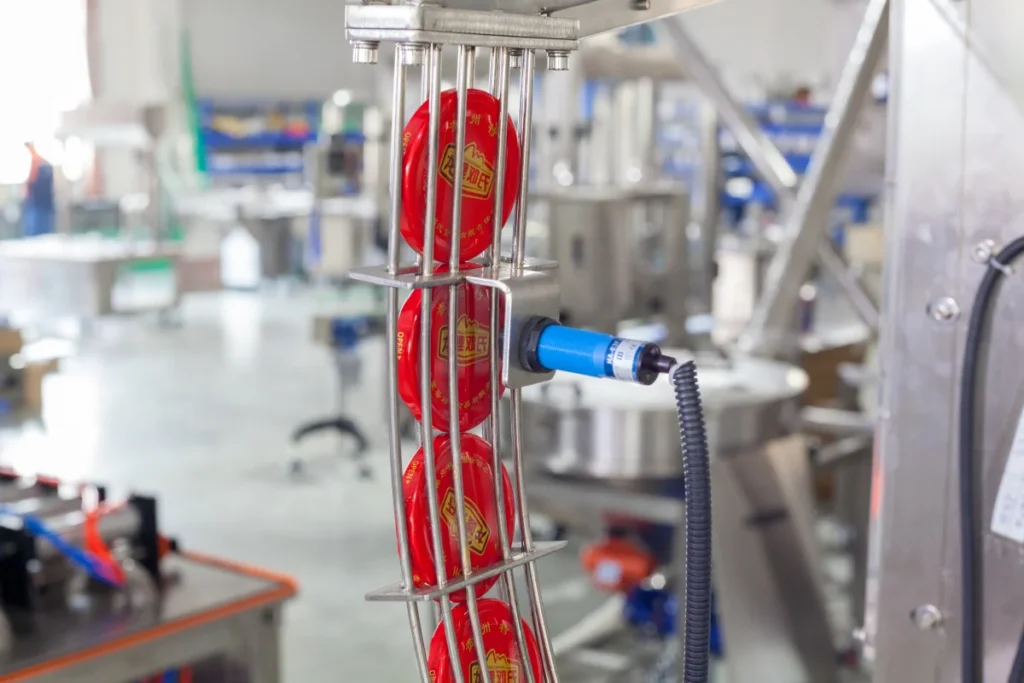
Incorrectly oriented caps entering the capper block the threading mechanism, causing line downtime and cap wastage.
Vacuum Screw Capping Machine operational video: demonstrating real-world tomato paste process stability.
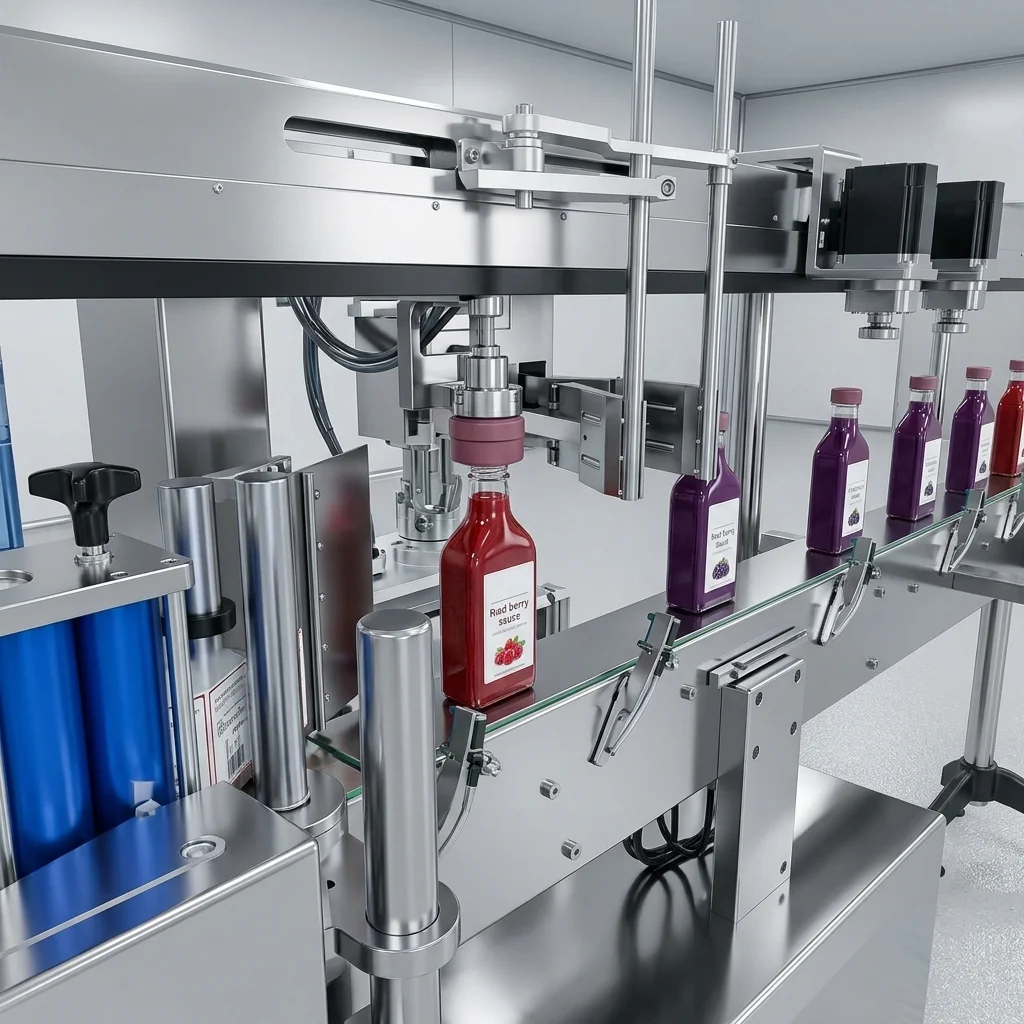
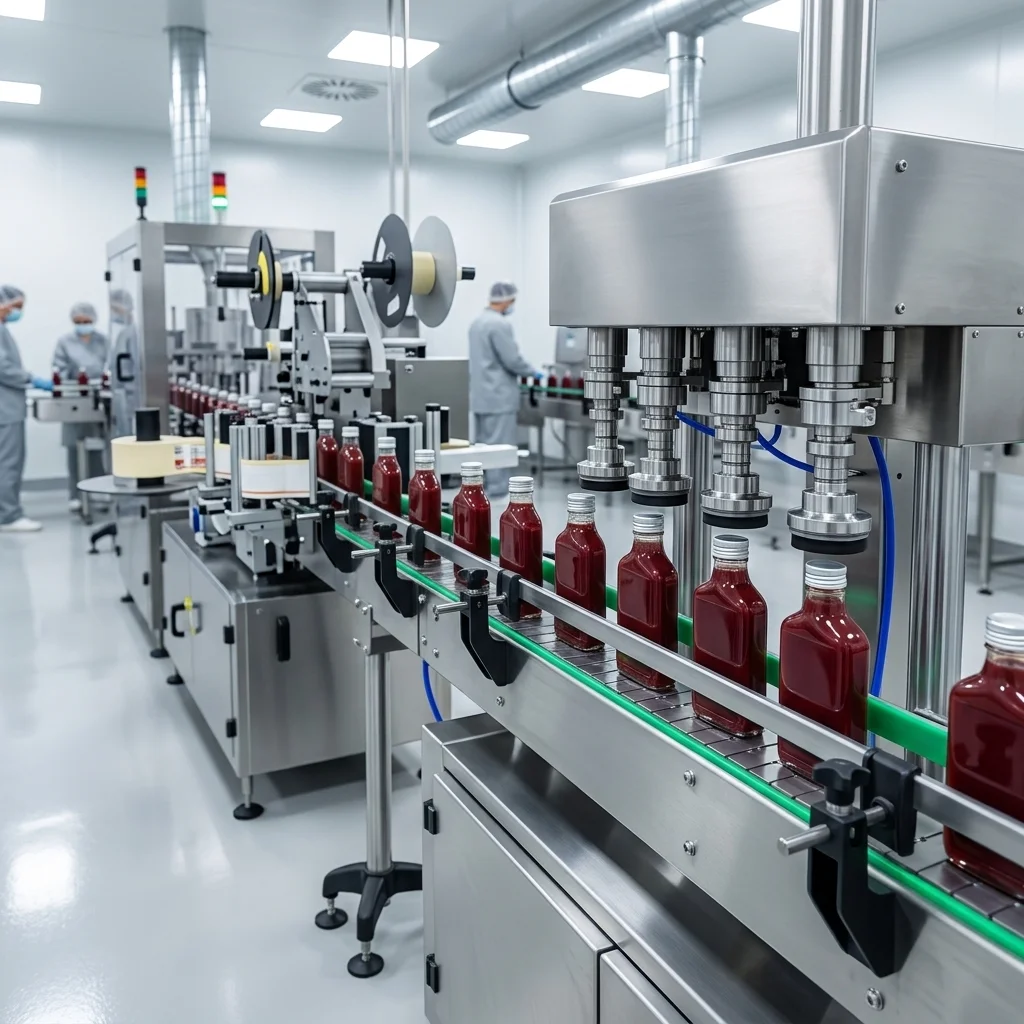
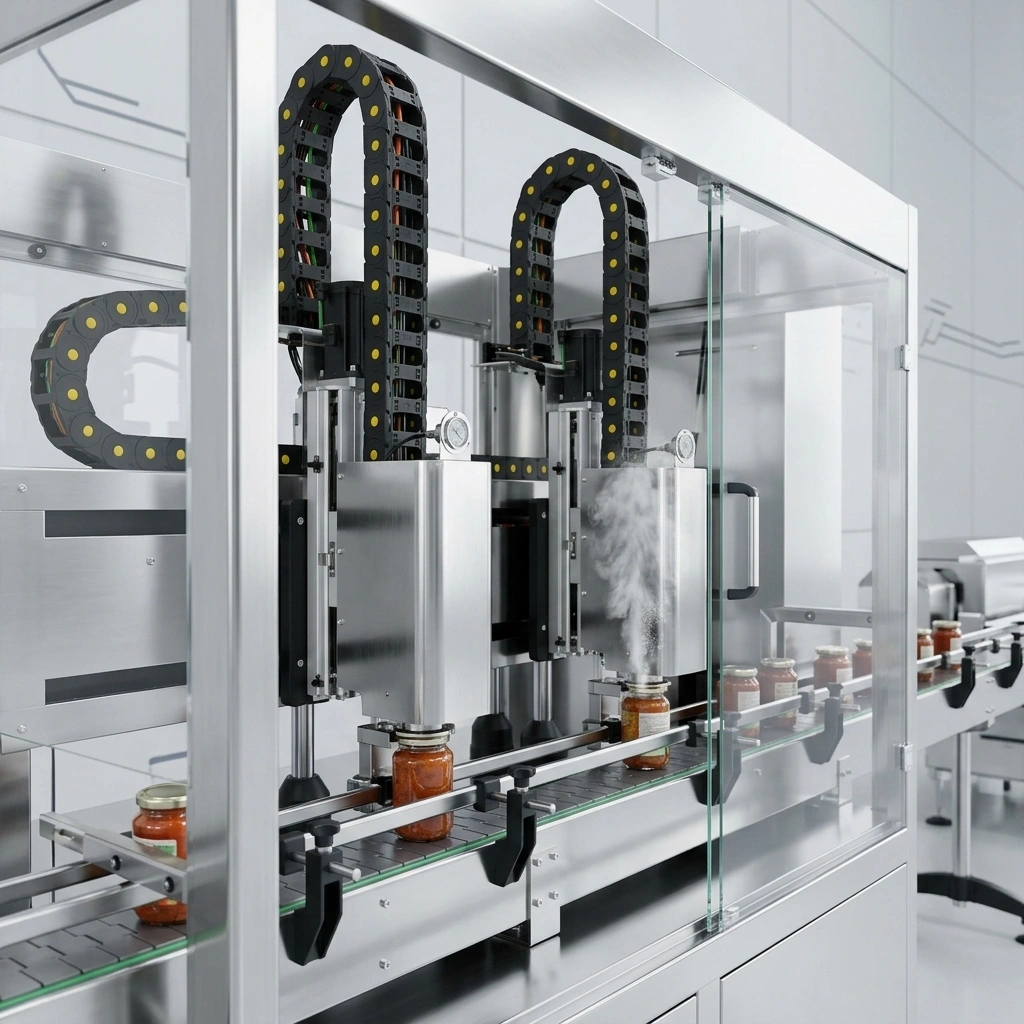
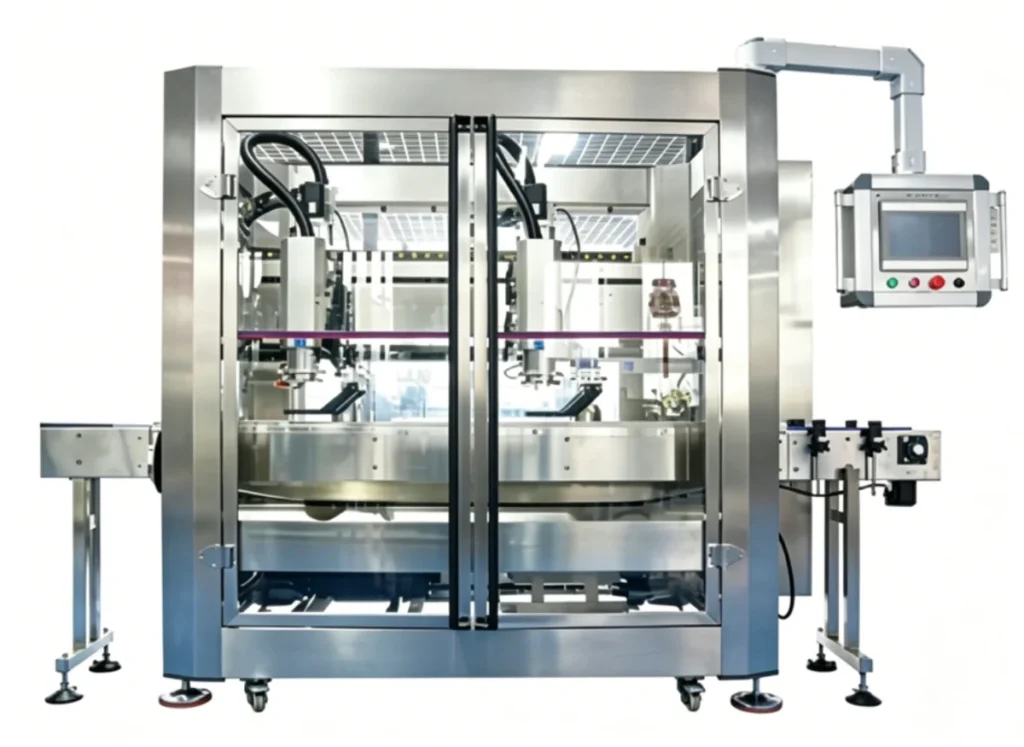
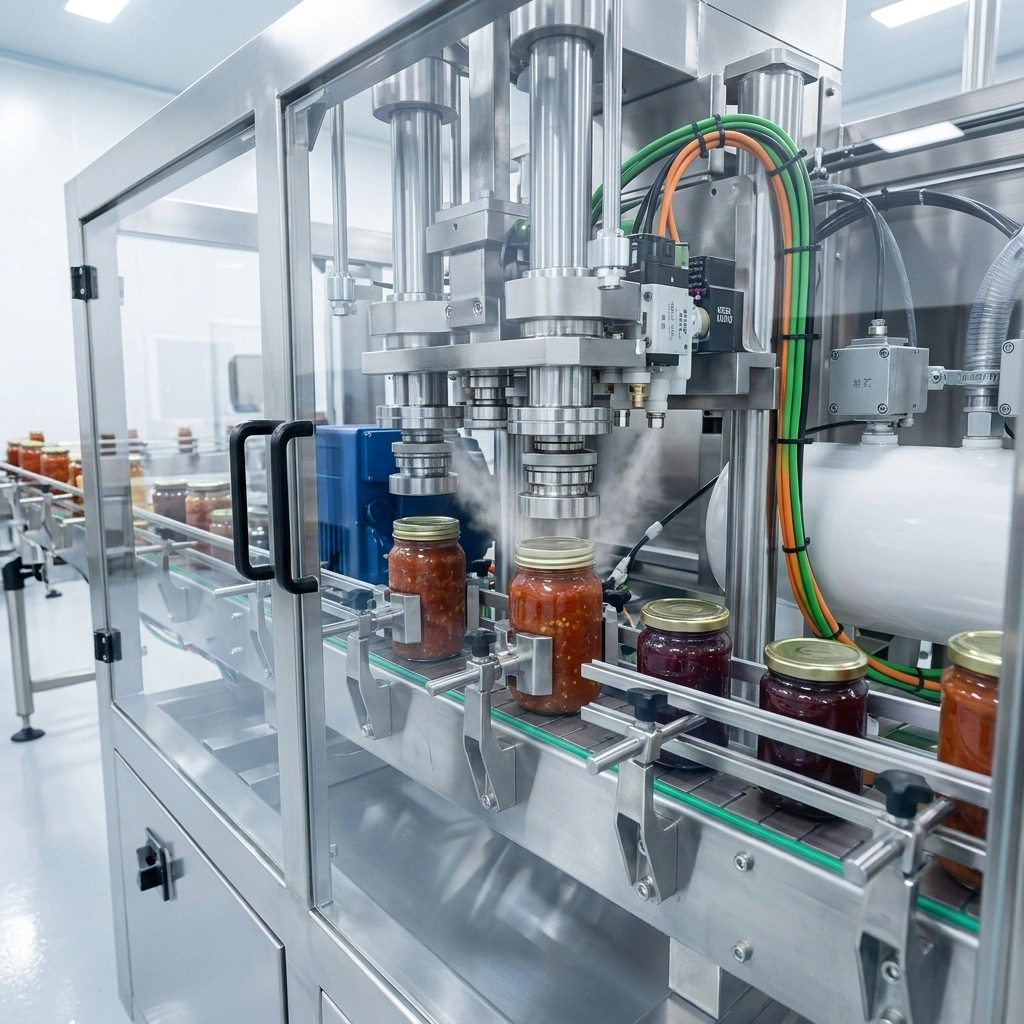
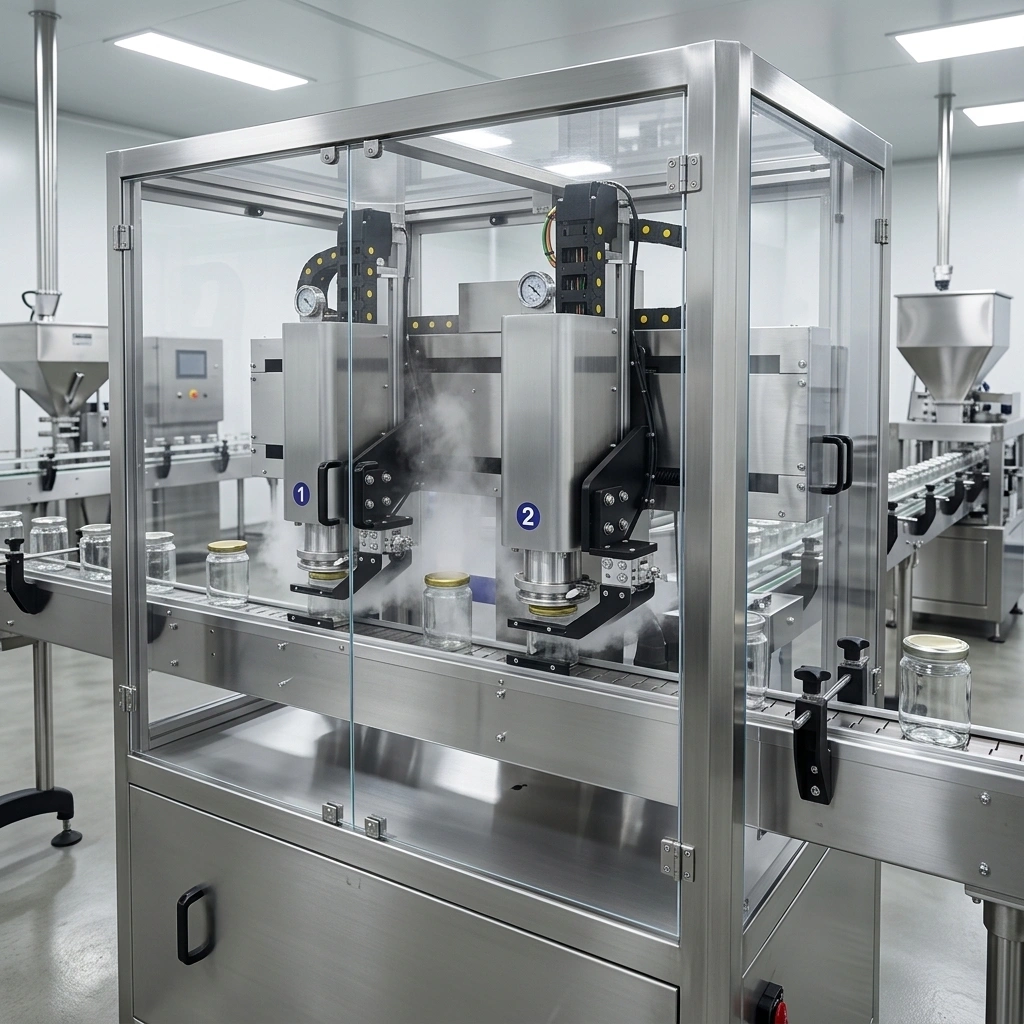
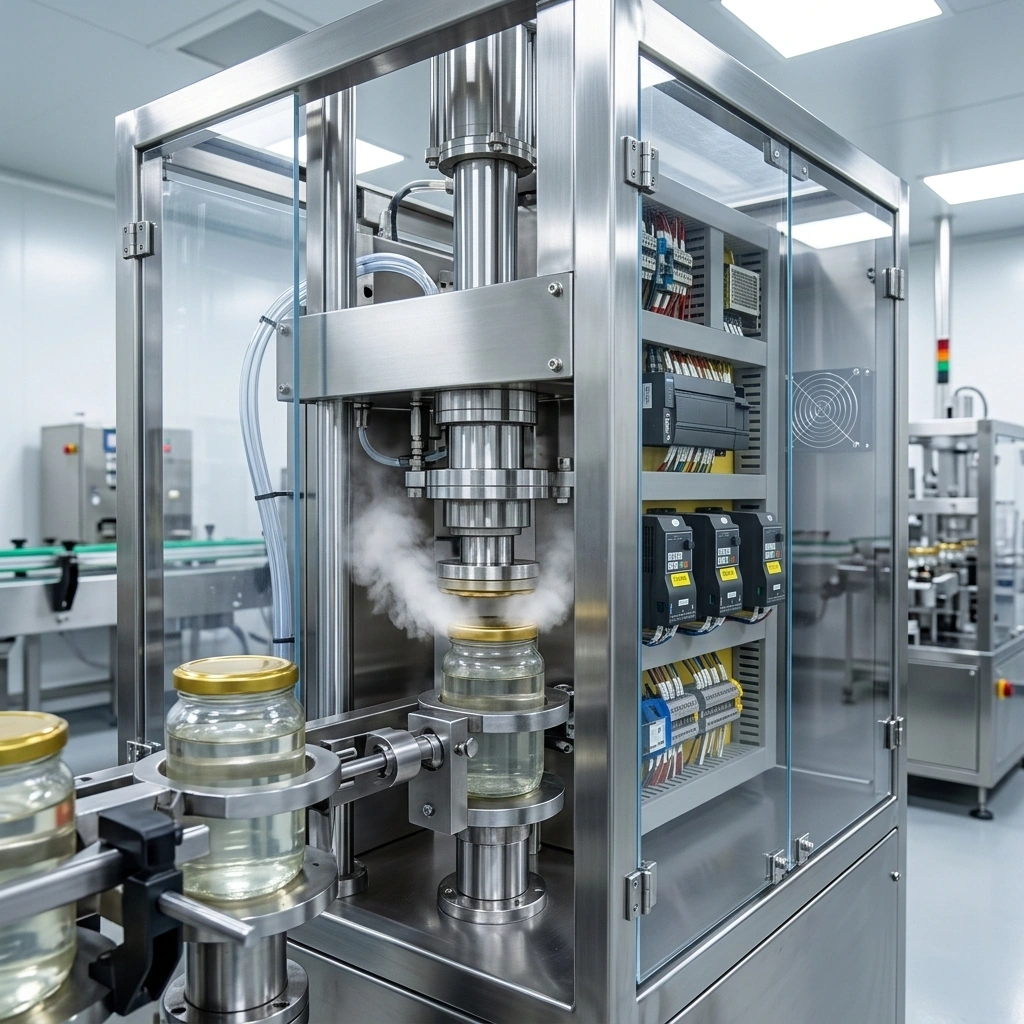
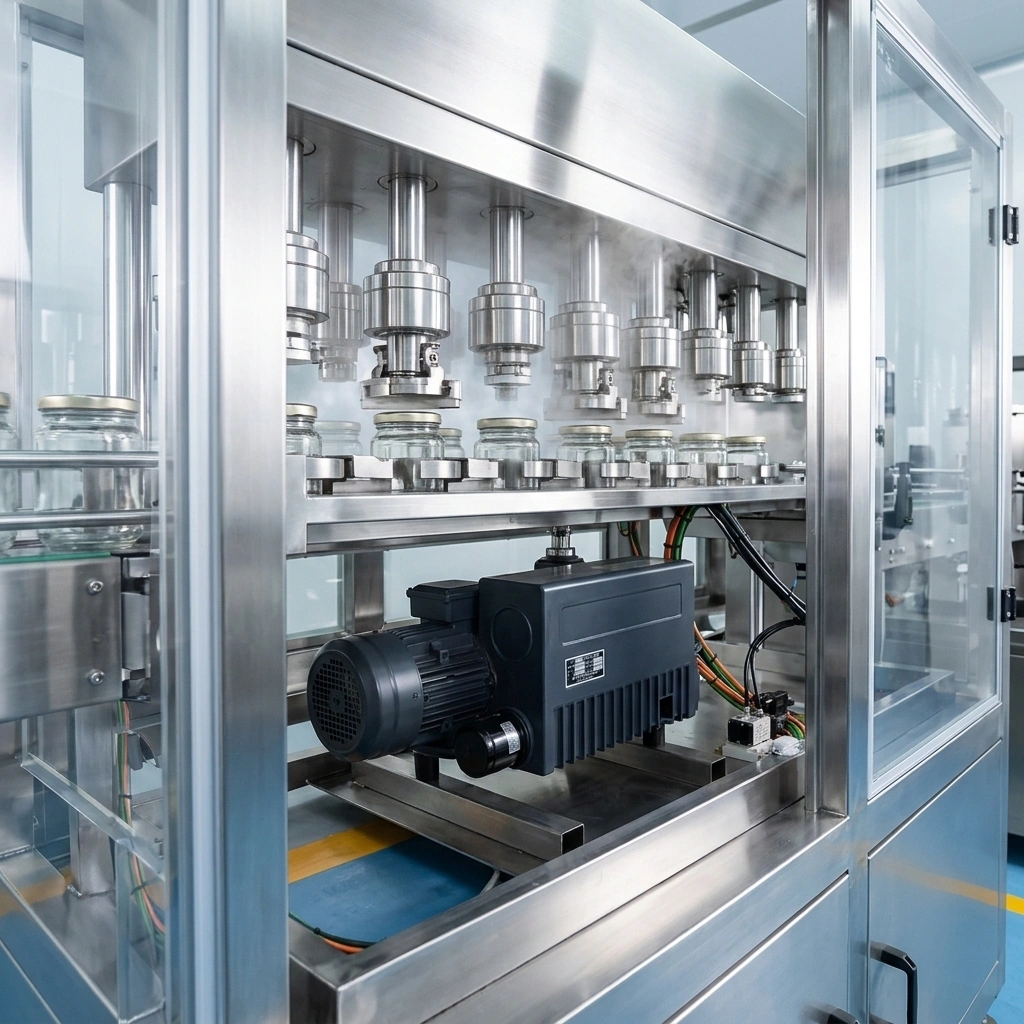
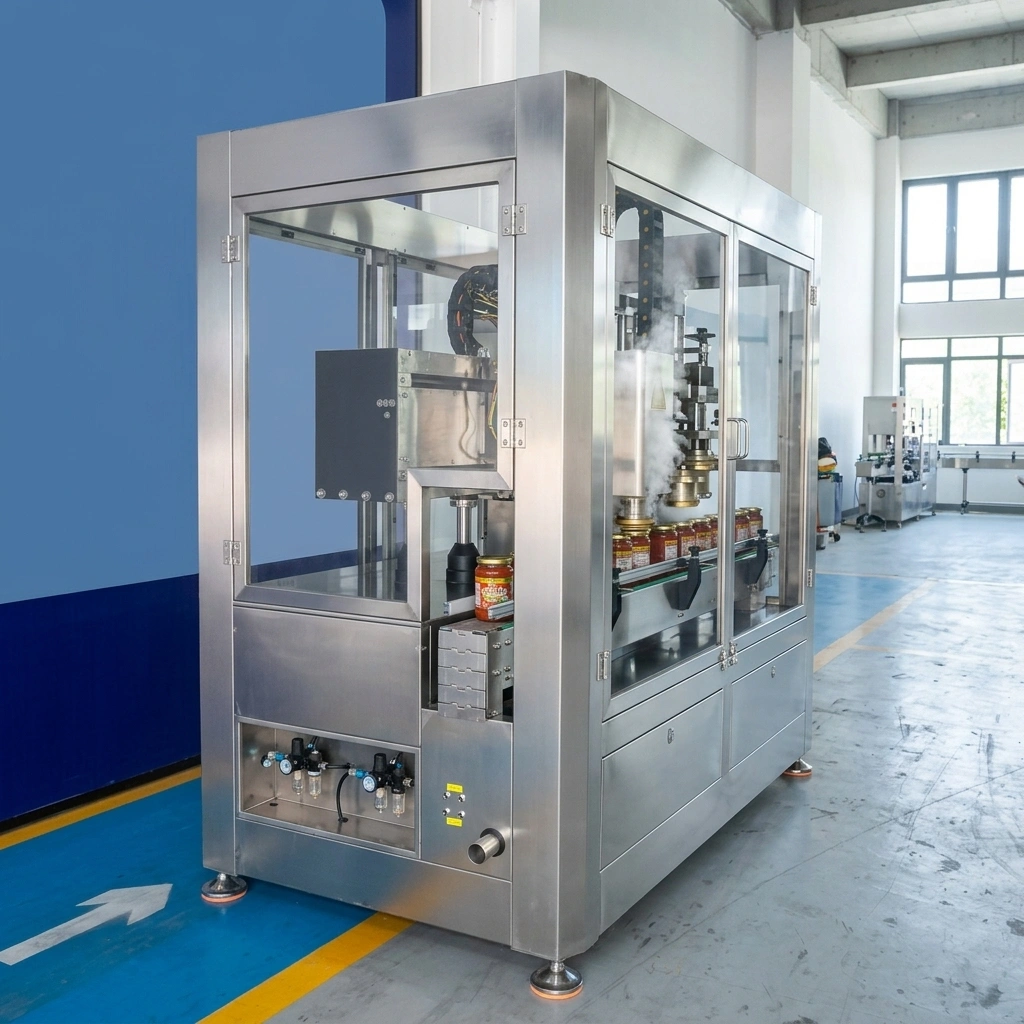
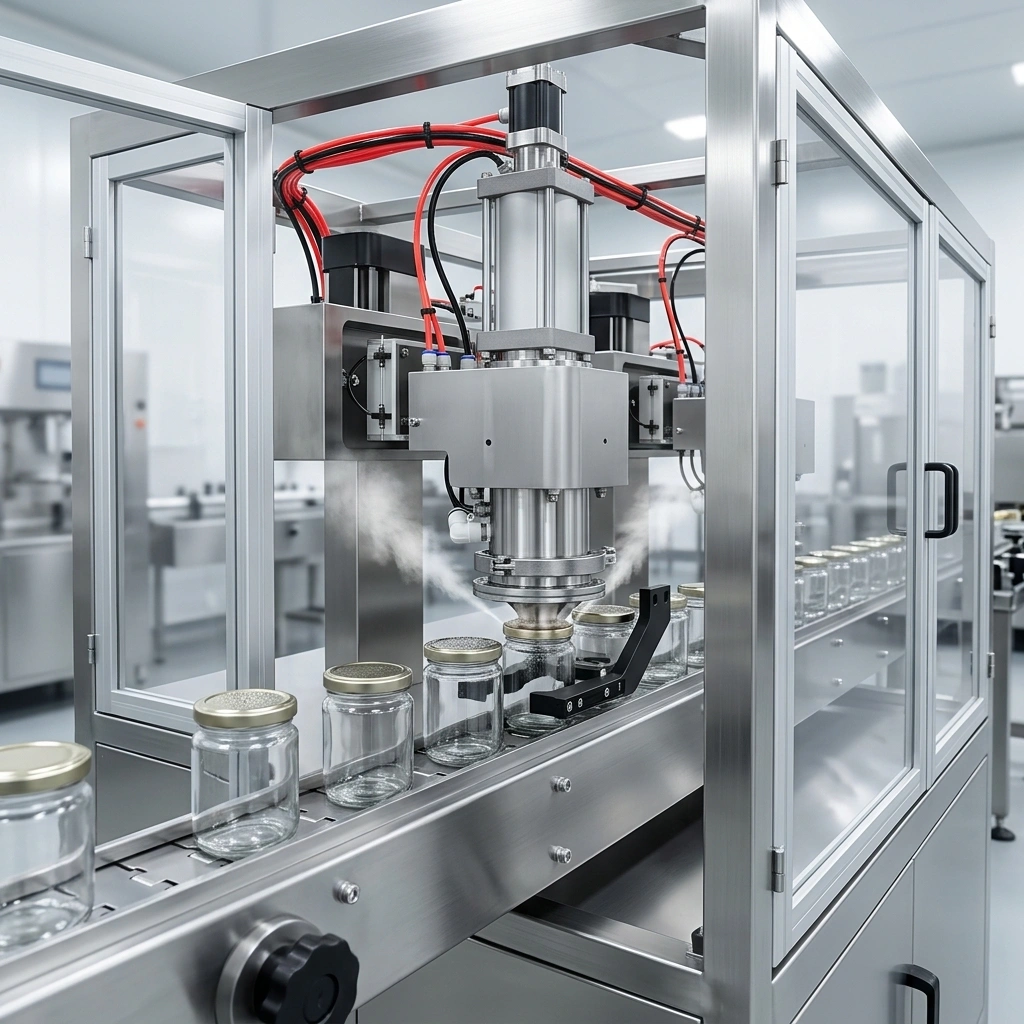
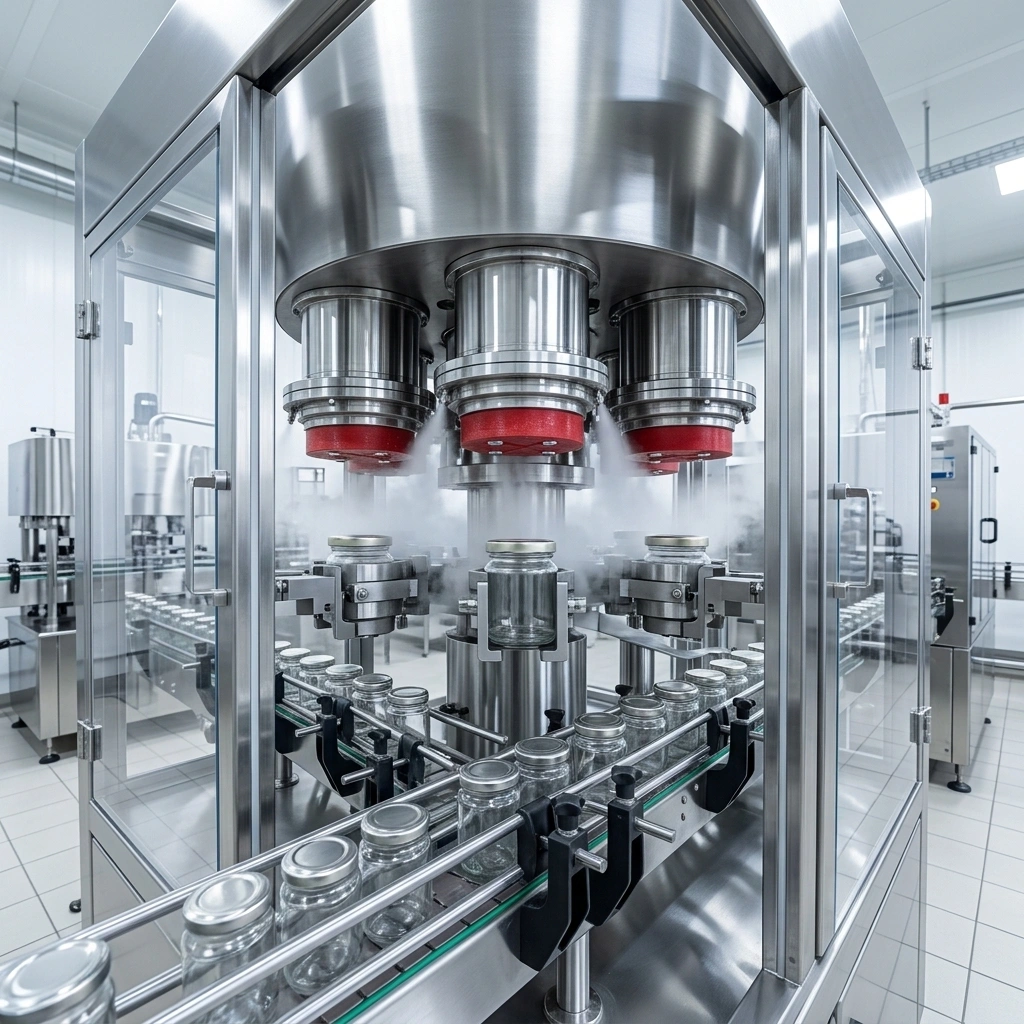
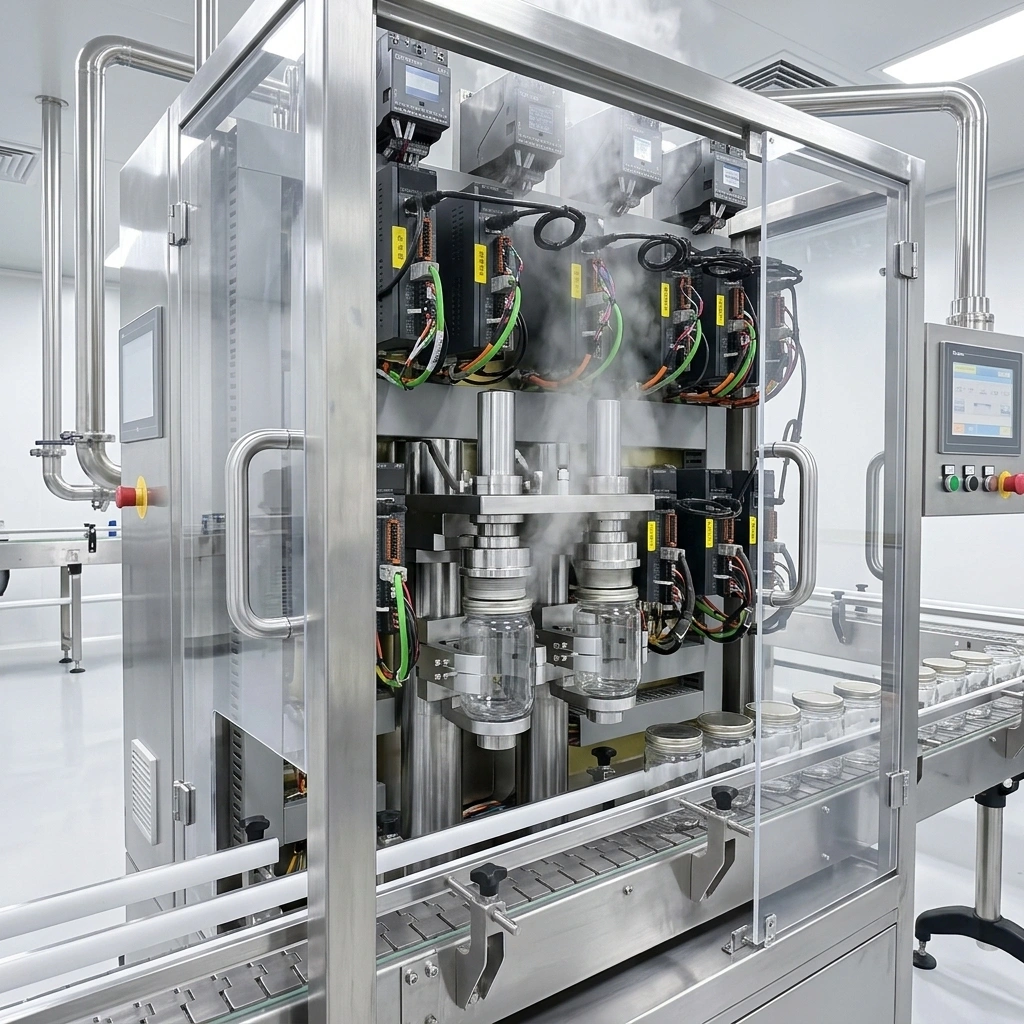
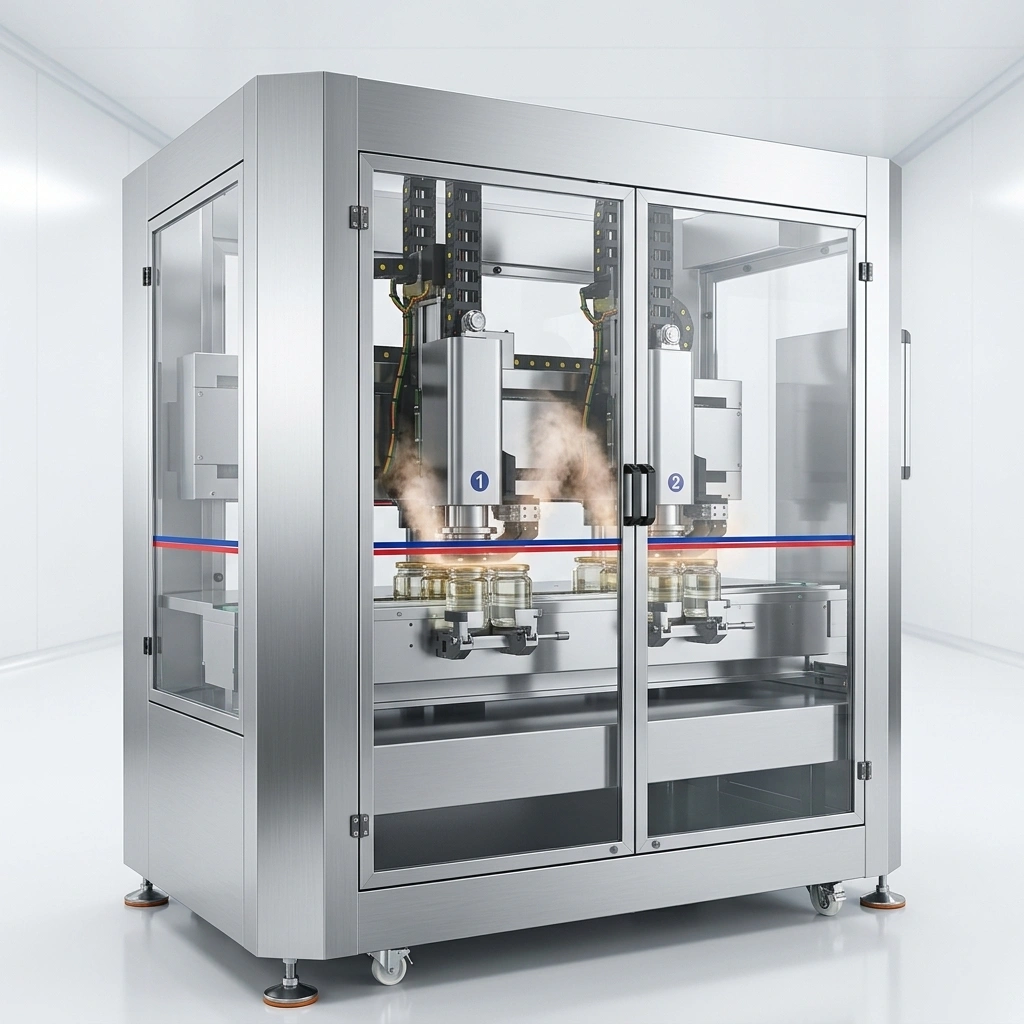
Residual oxygen inside food jars causes rapid oxidation, mold growth, and a short shelf life, forcing the use of synthetic preservatives.
CO2 Laser Coding Machine operational video: demonstrating real-world tomato paste process stability.
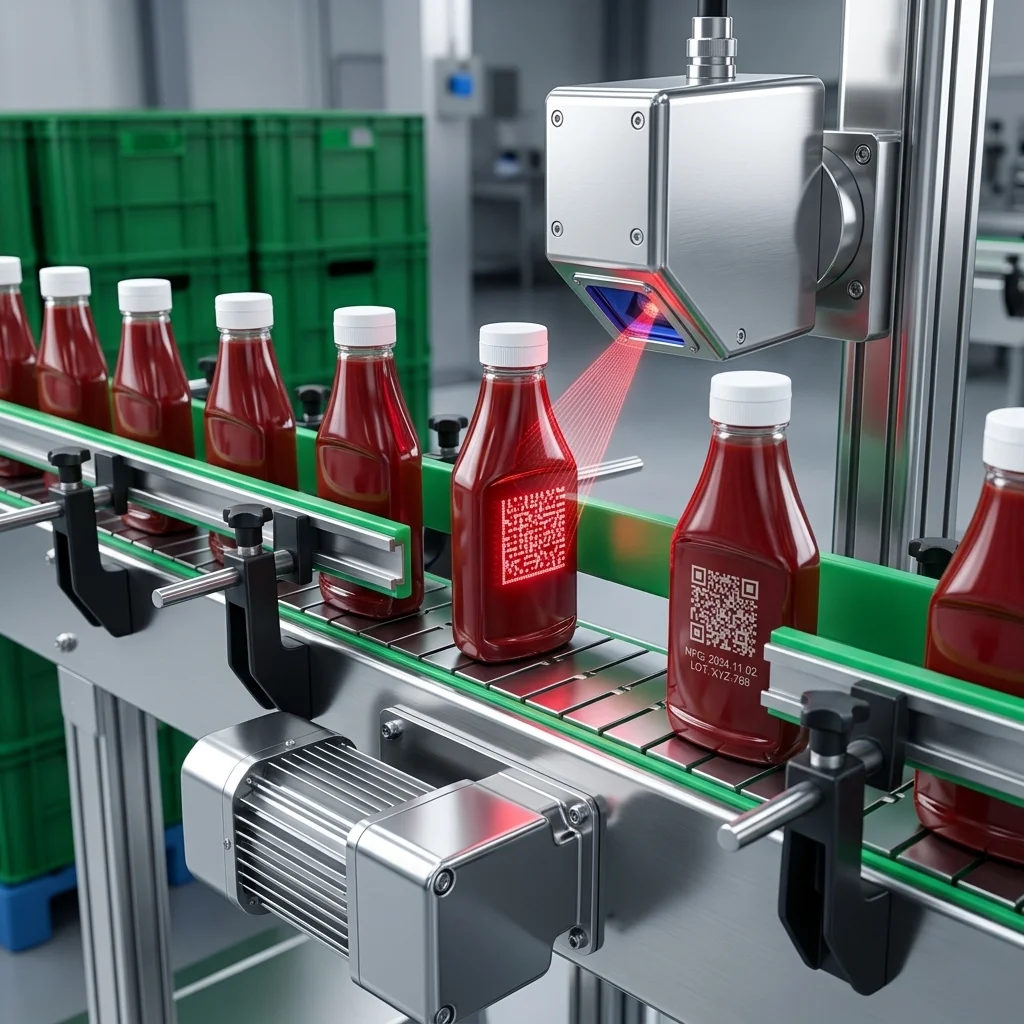
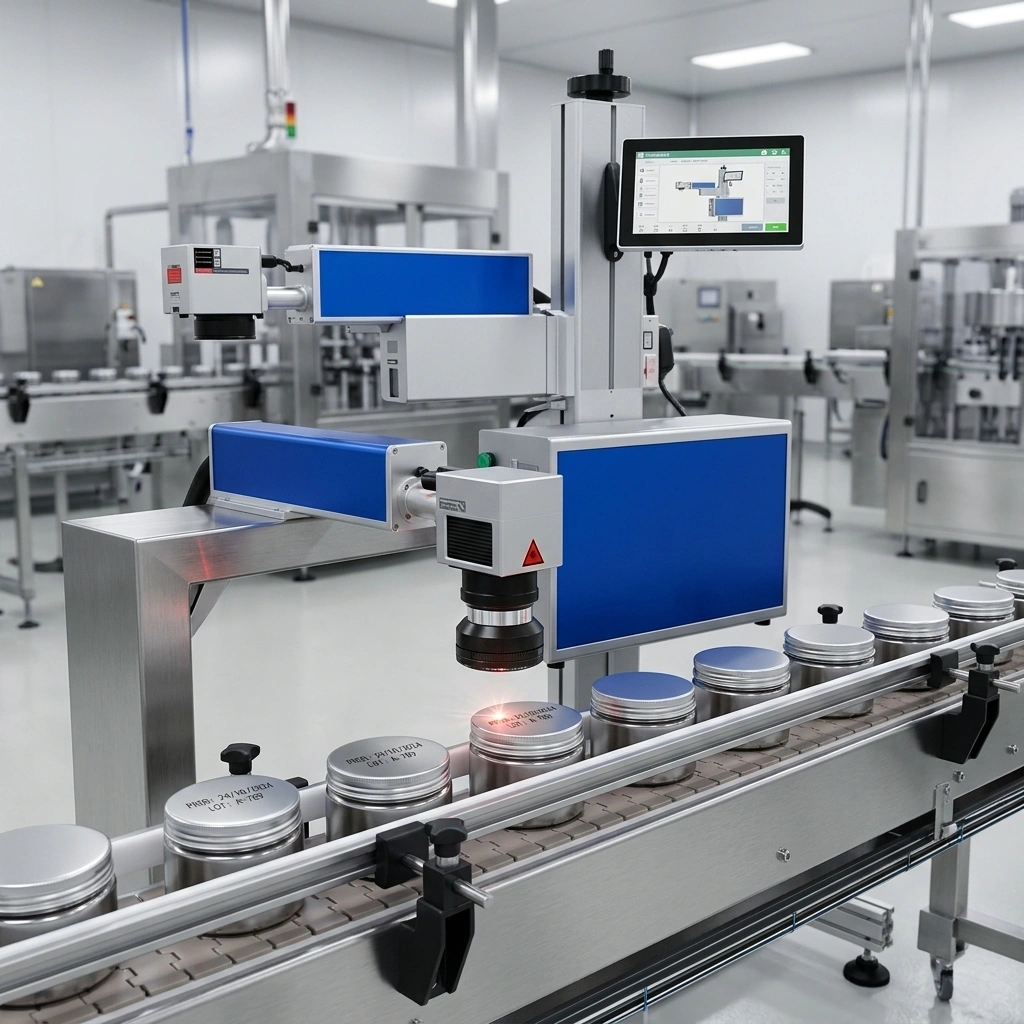
Vibrating conveyors smudge inkjet/laser codes, rendering national DataMatrix (Честный ЗНАК) compliance codes unreadable.
Rotary Positioning Labeler operational video: demonstrating real-world tomato paste process stability.
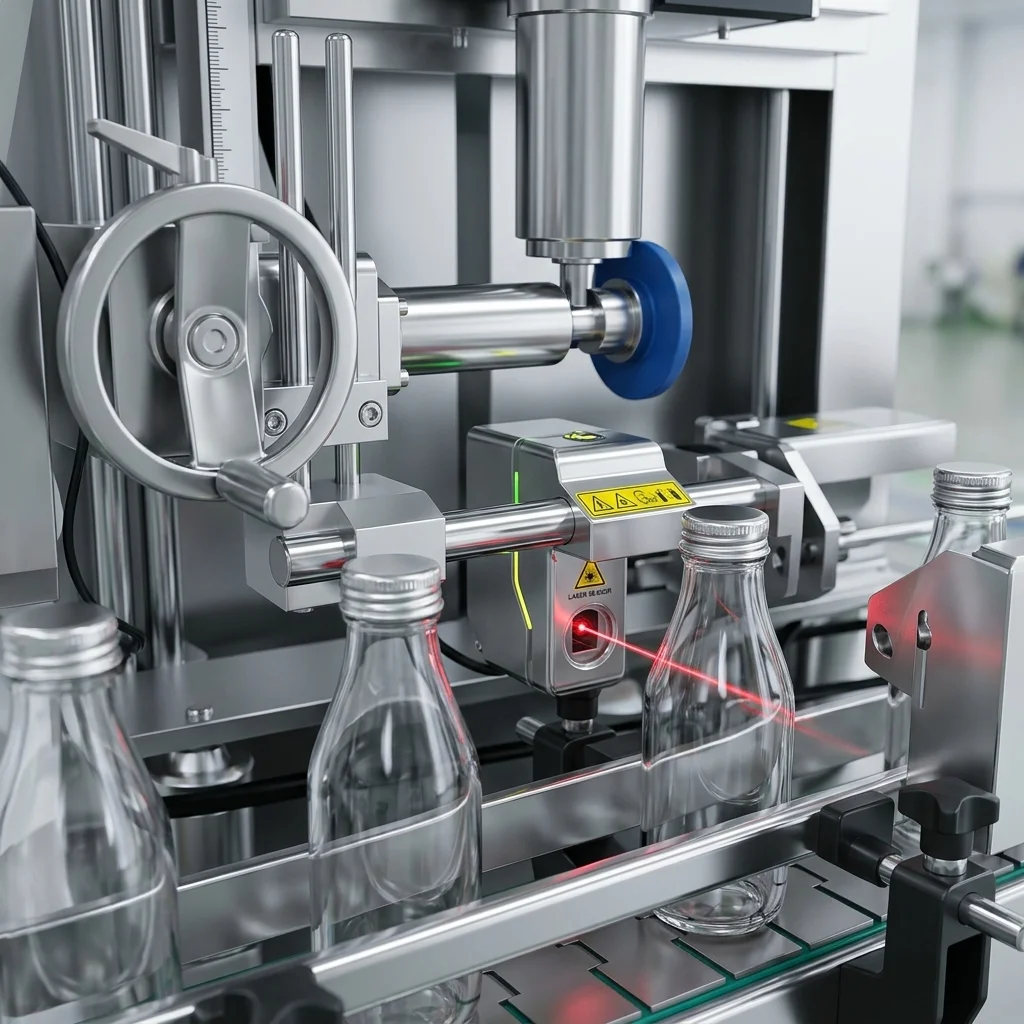
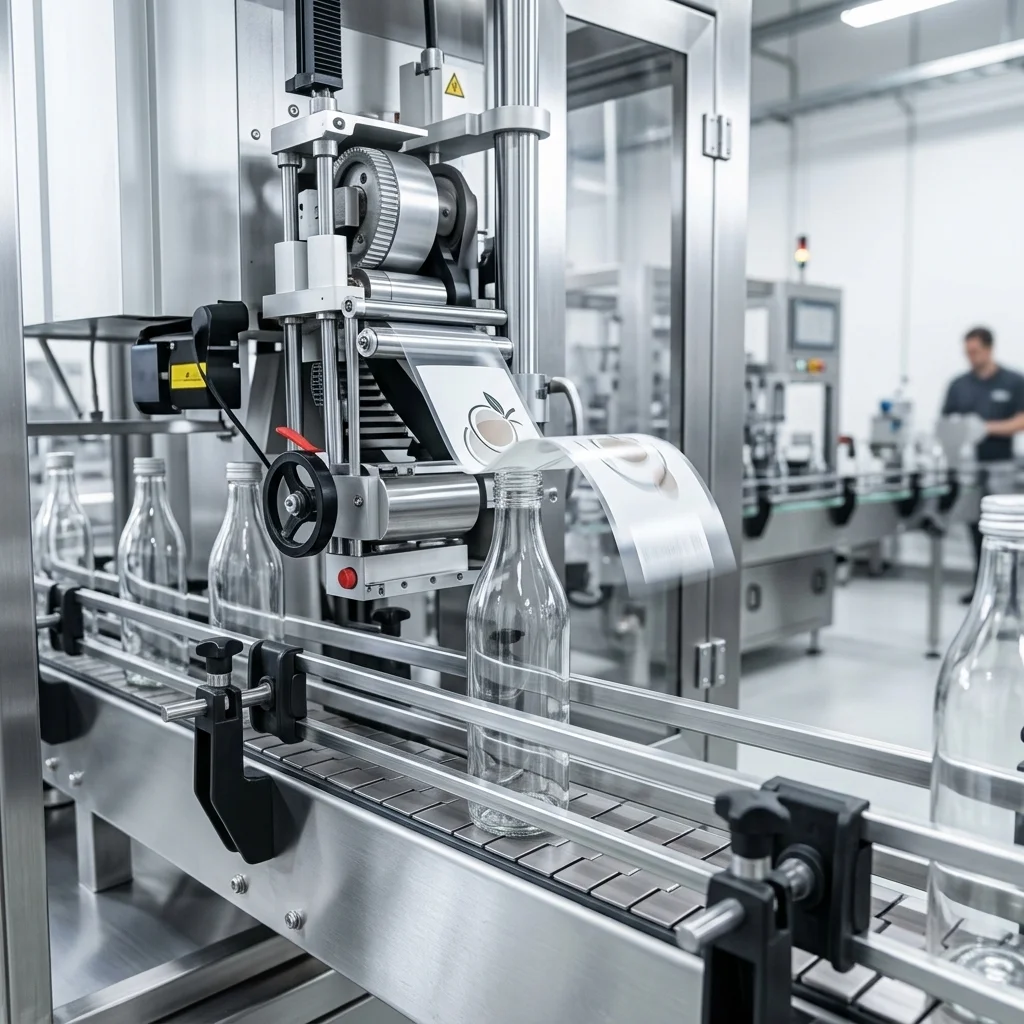
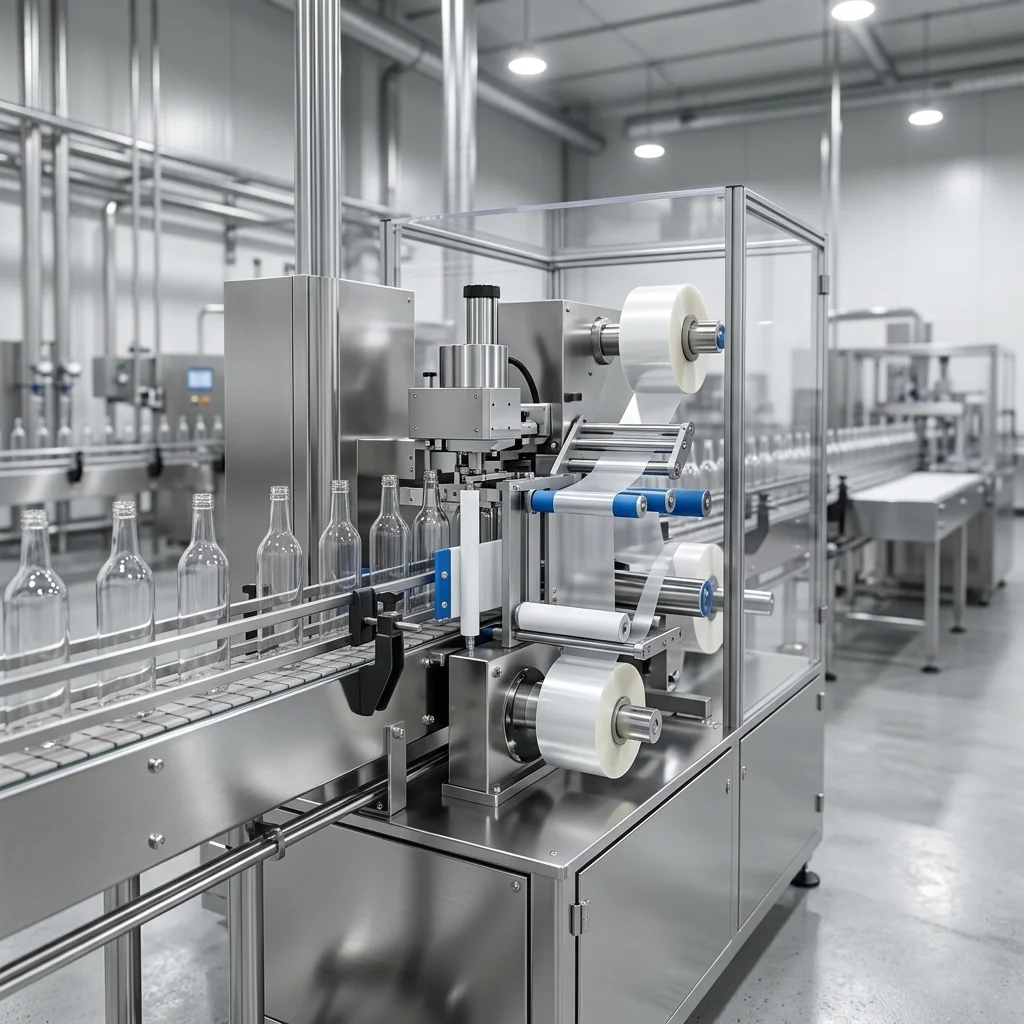
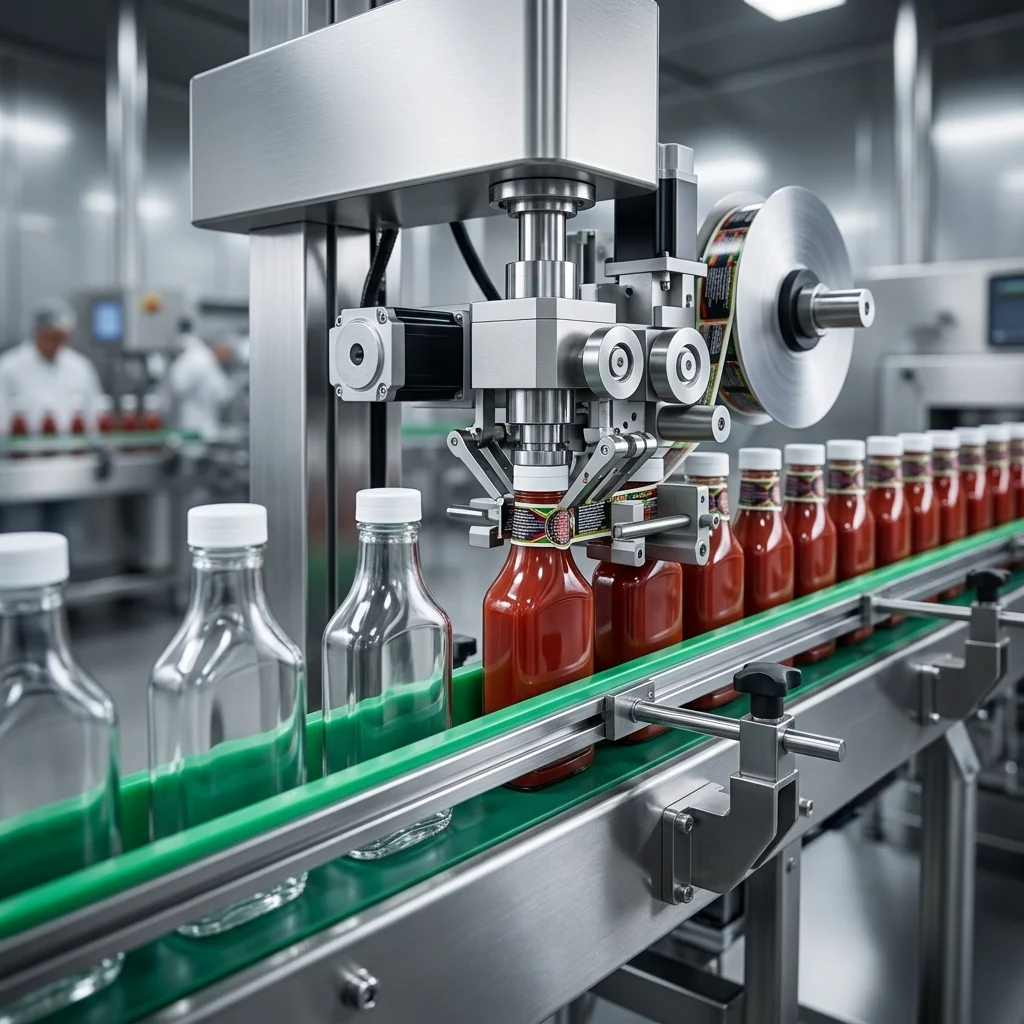
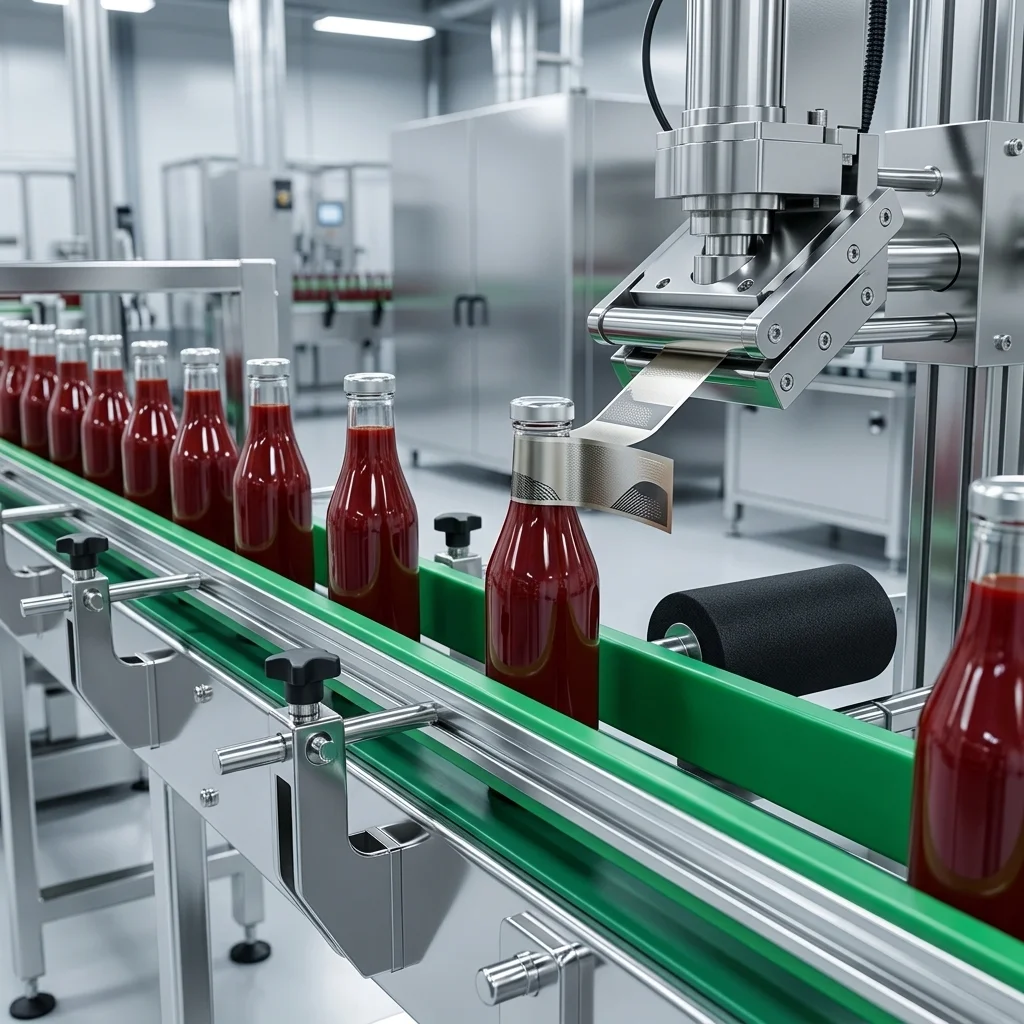
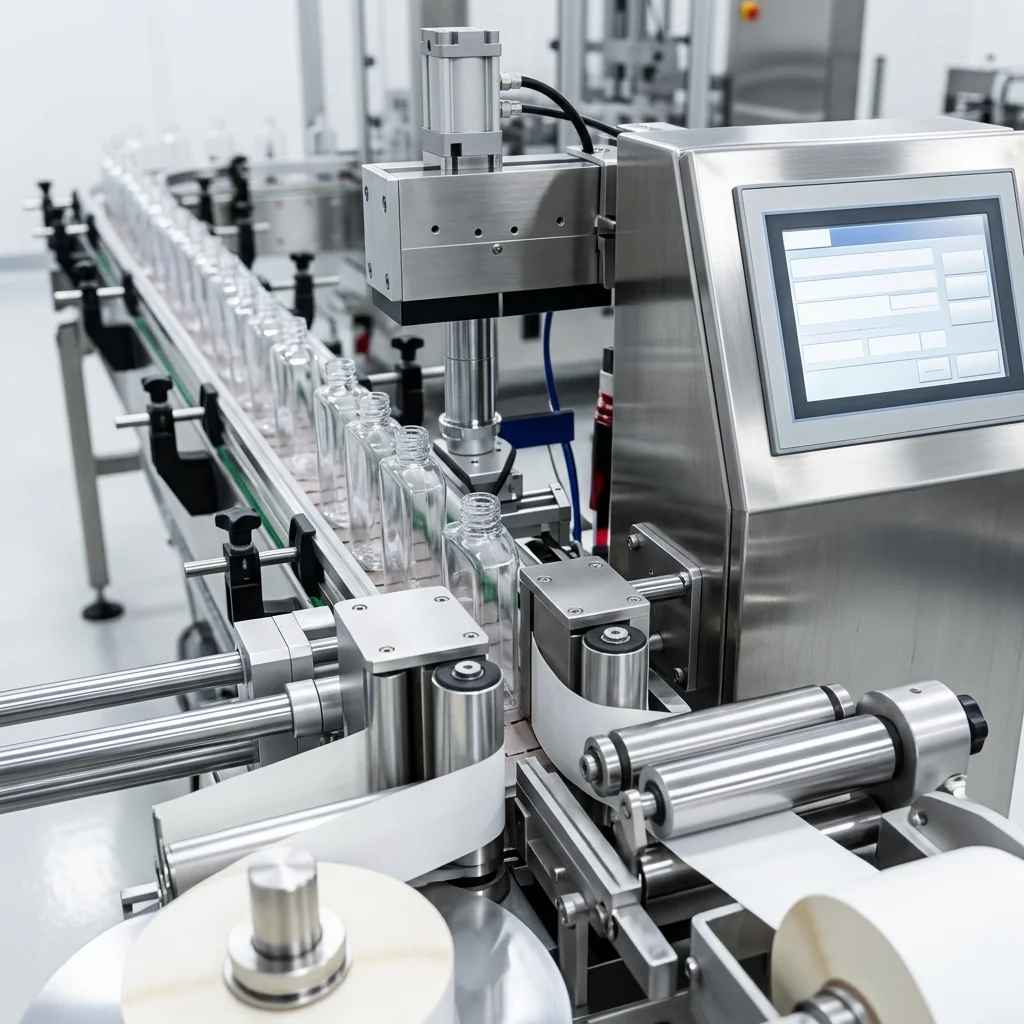
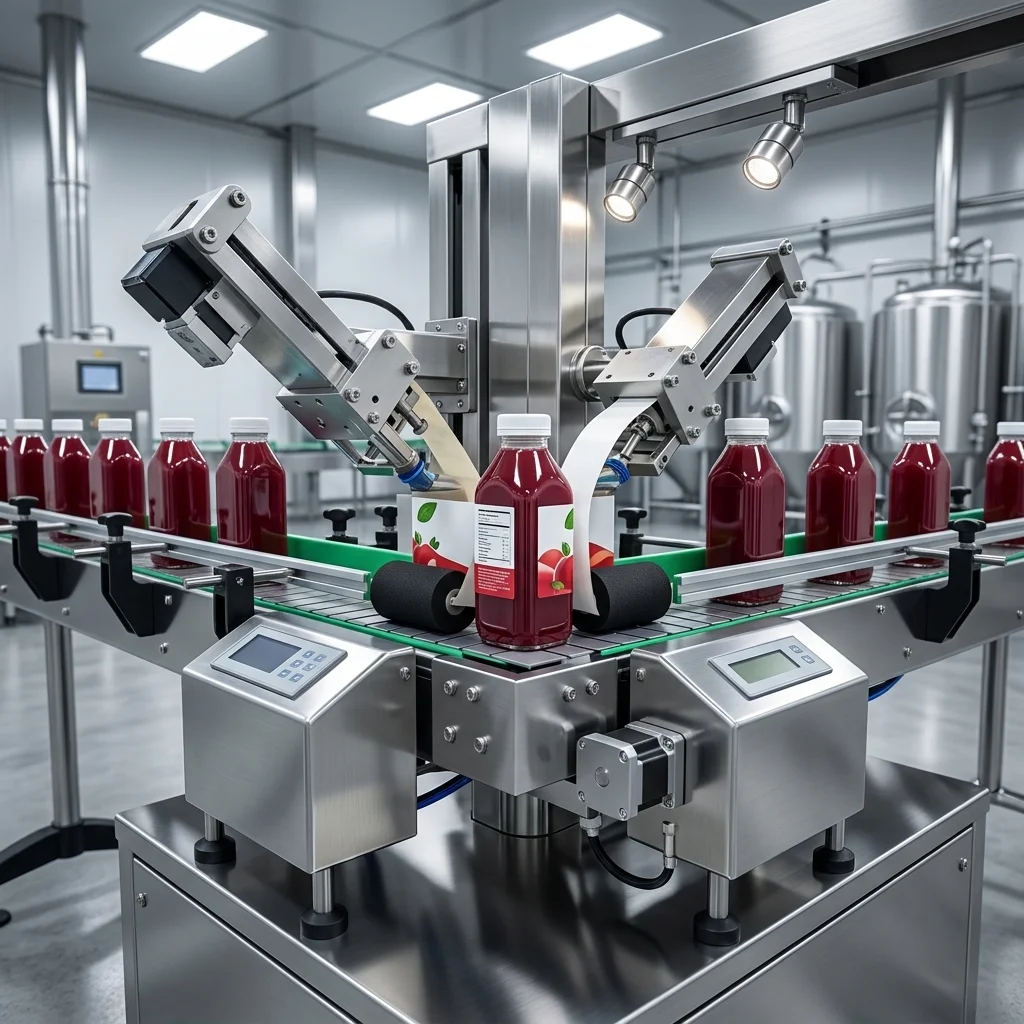
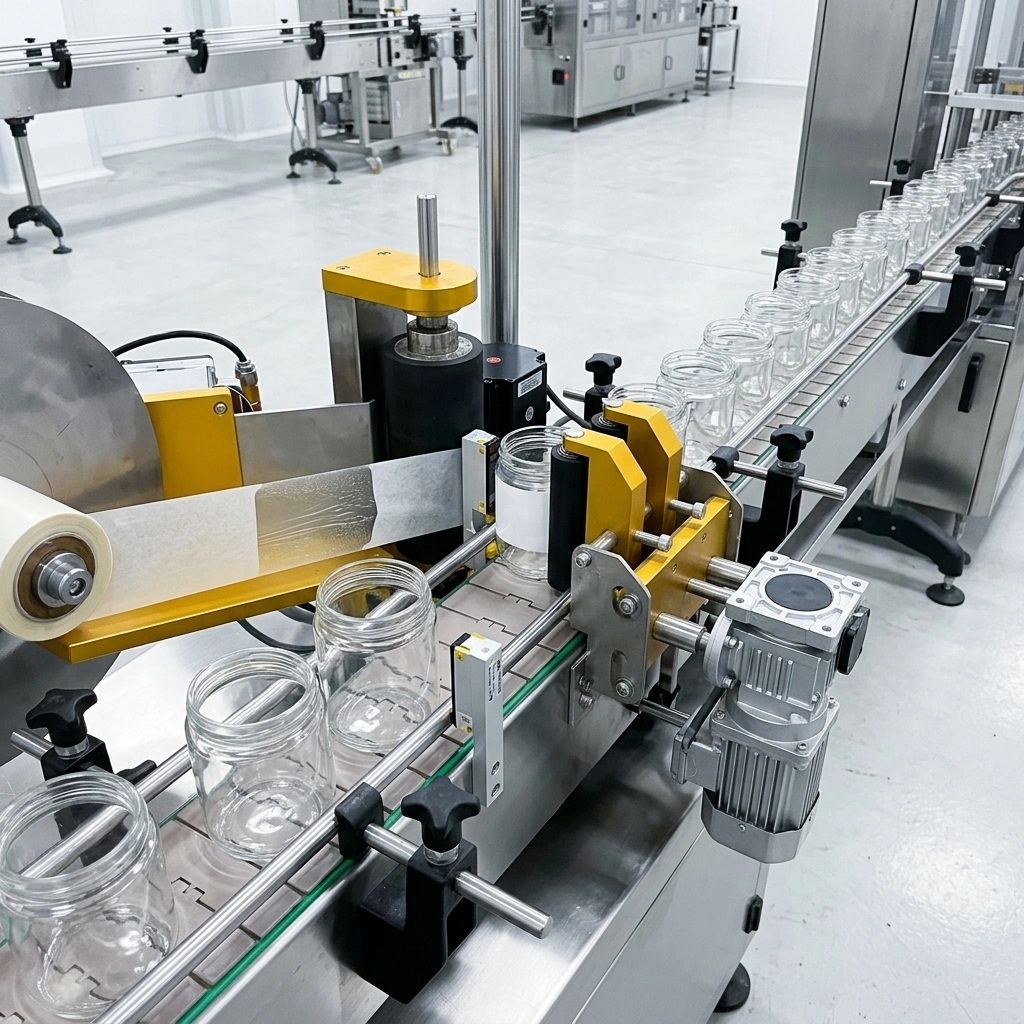
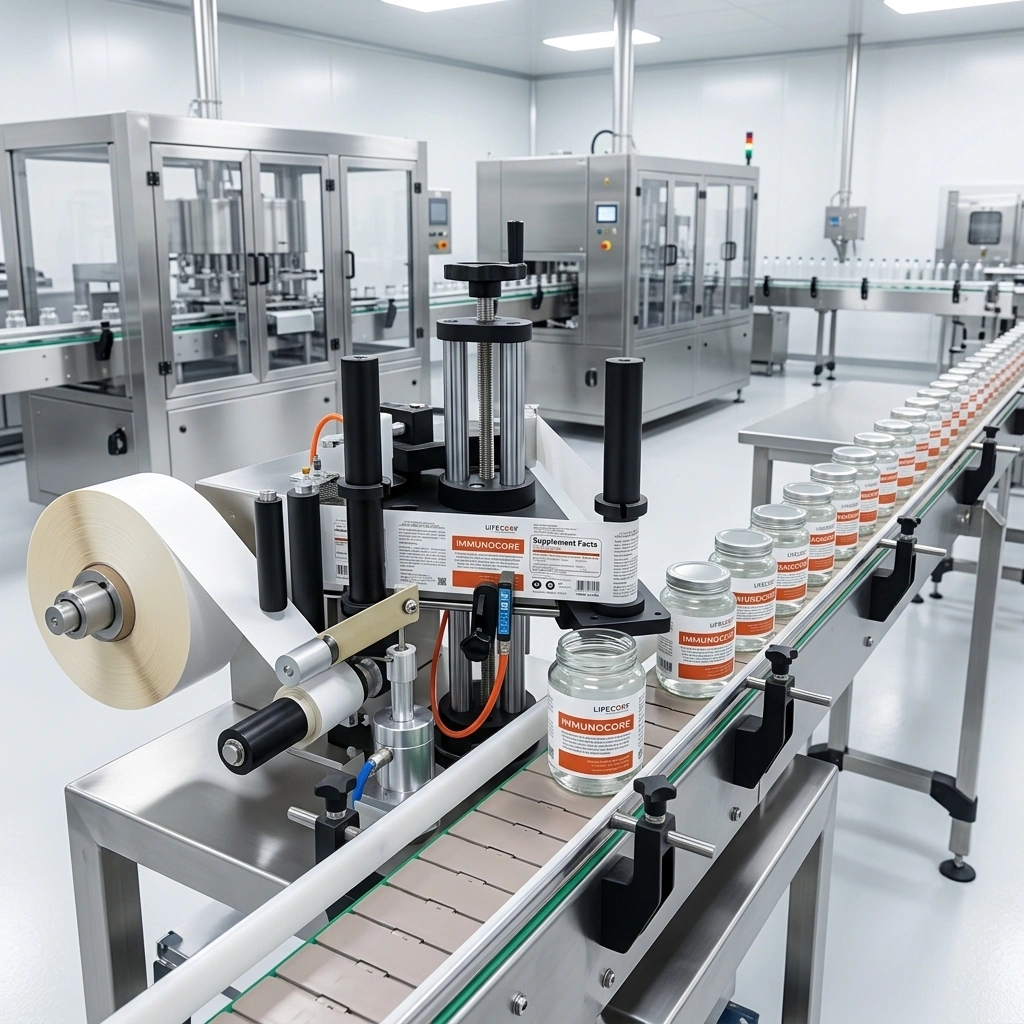
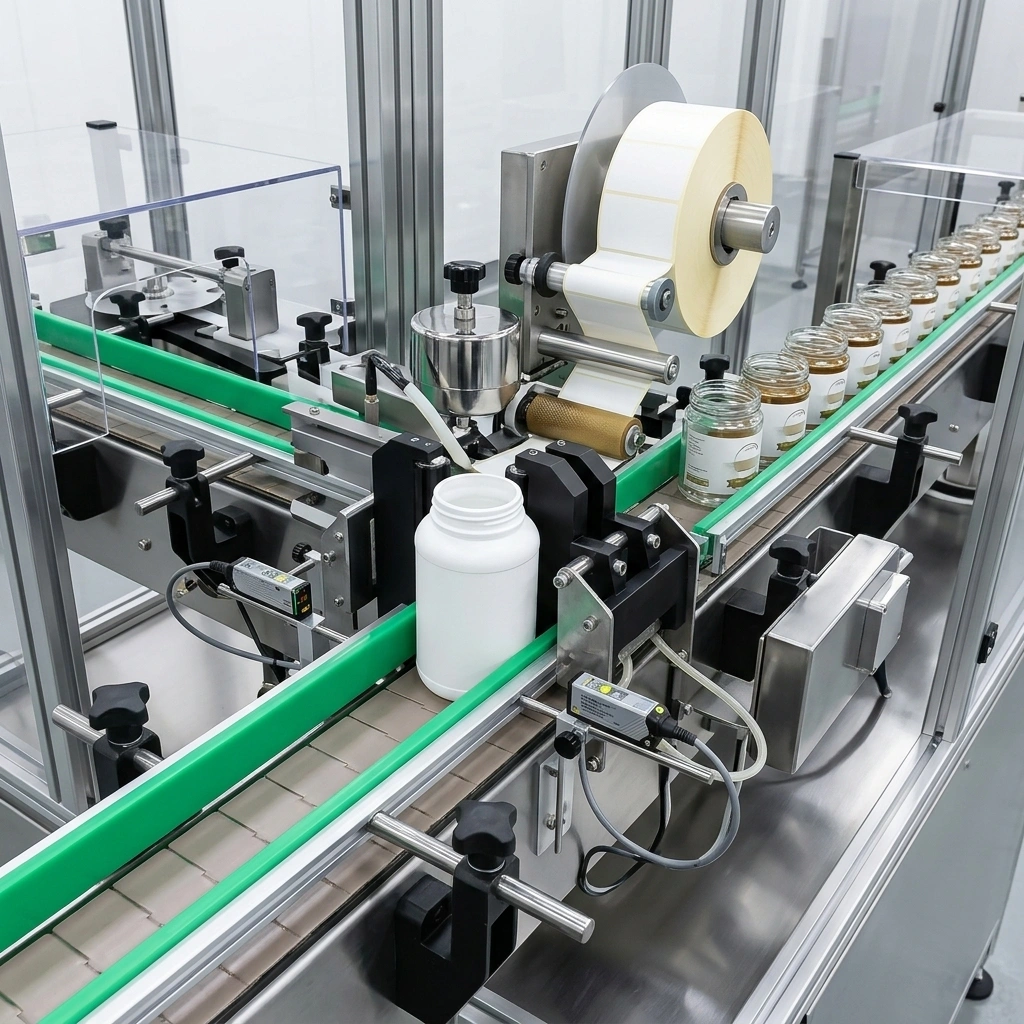
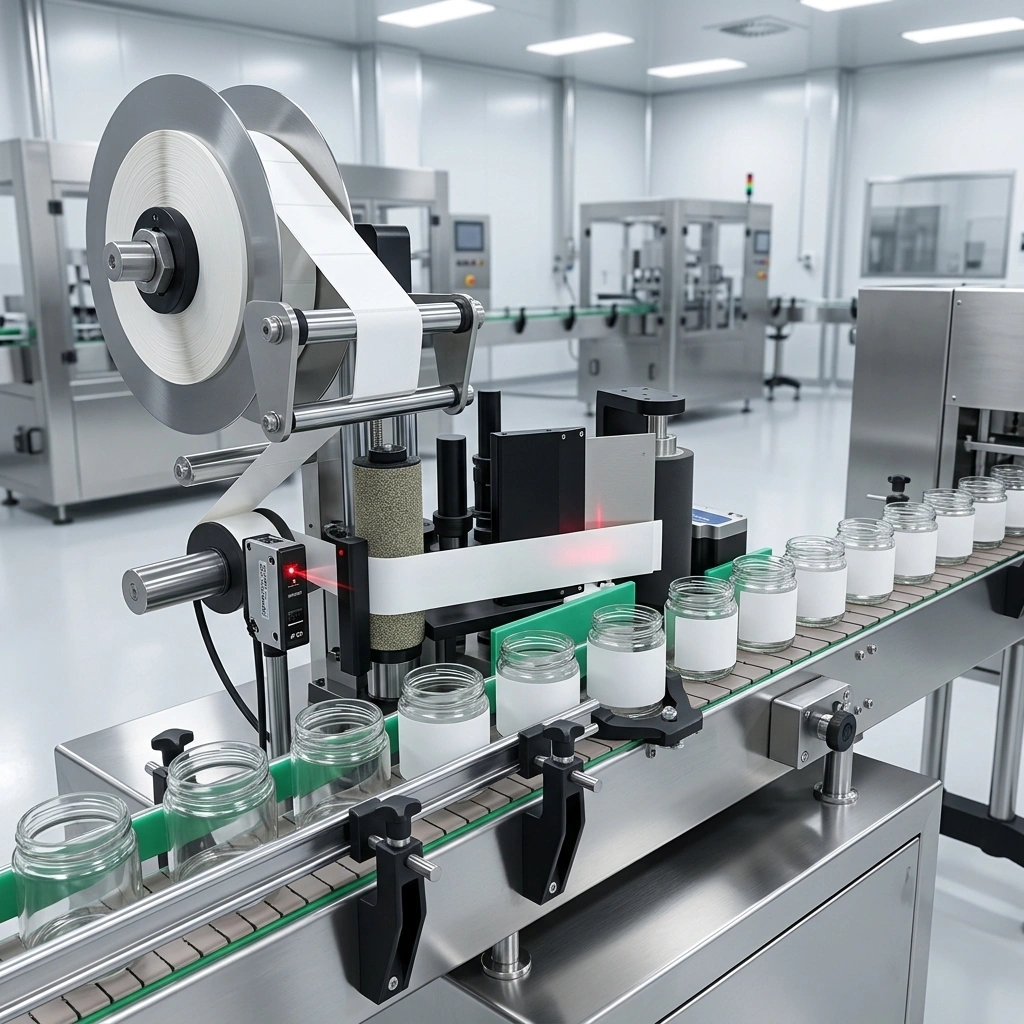
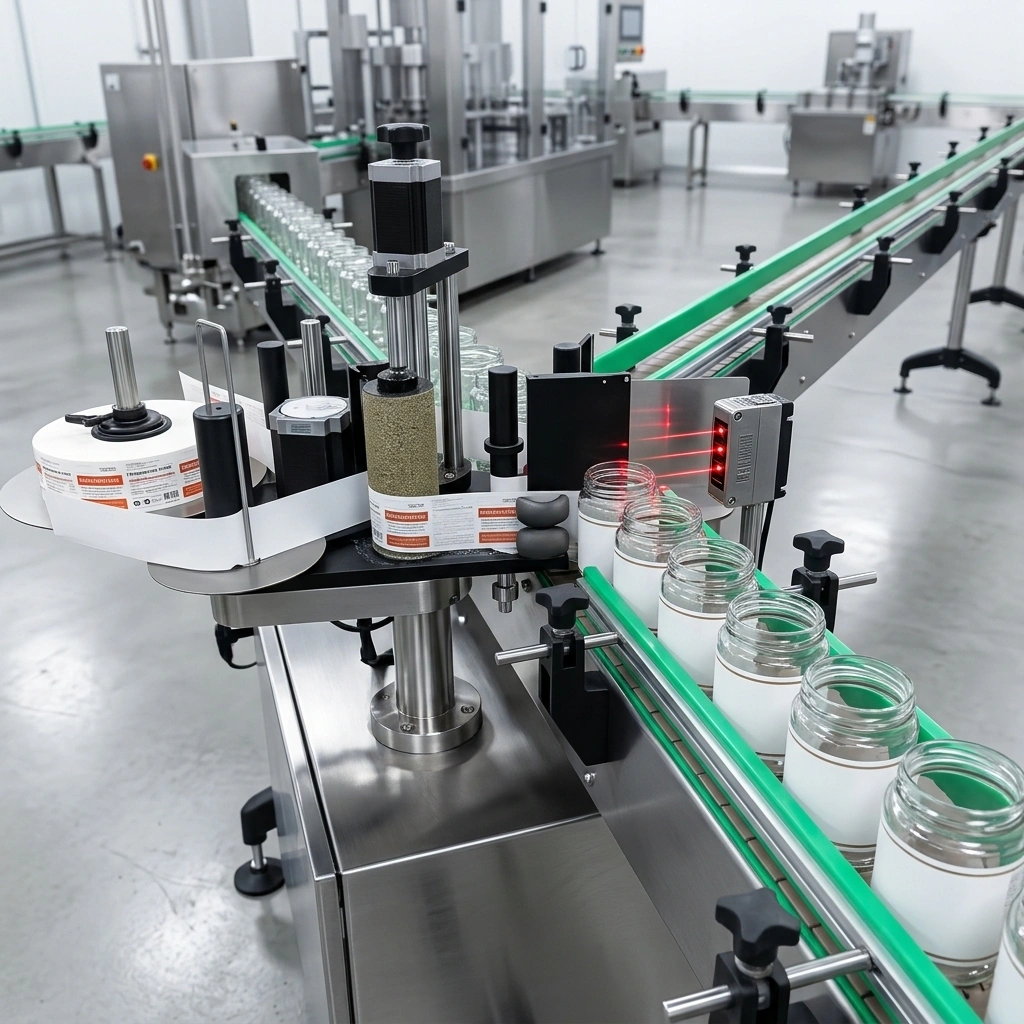
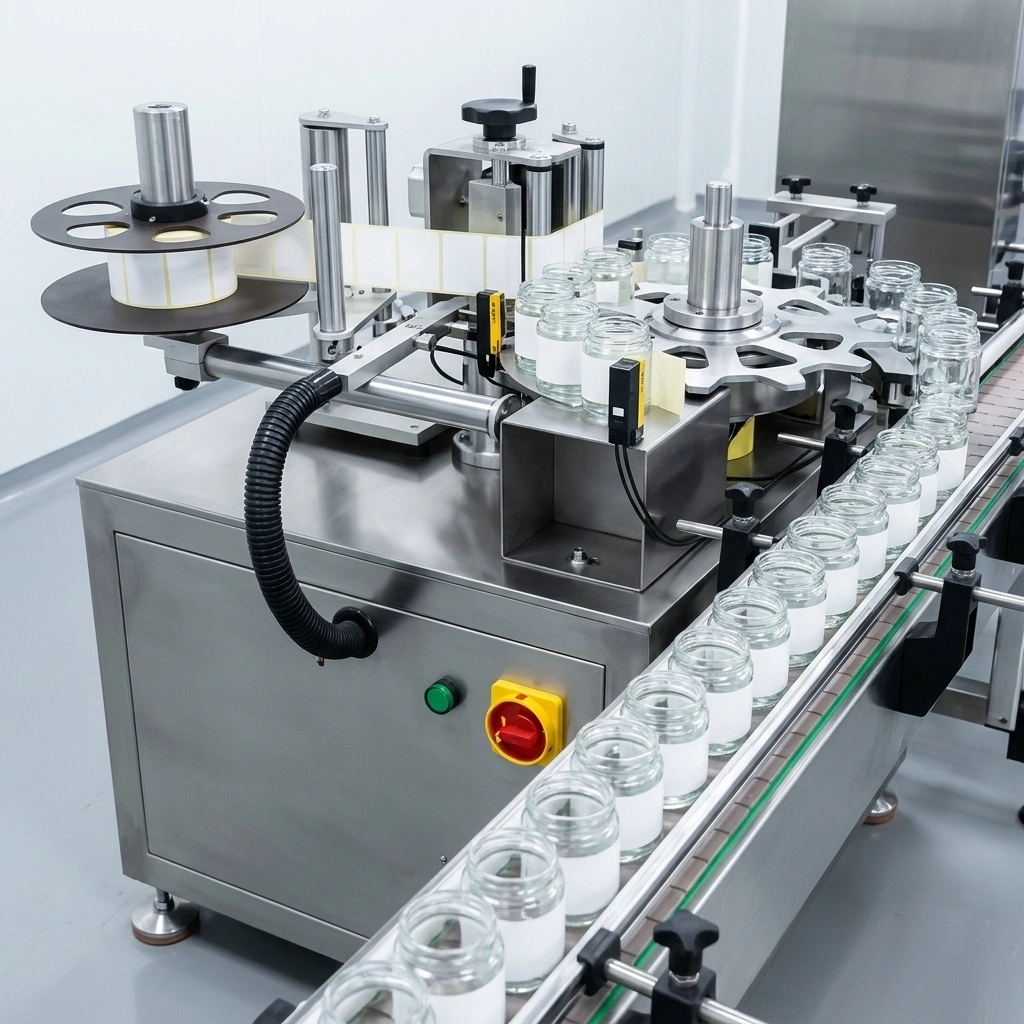
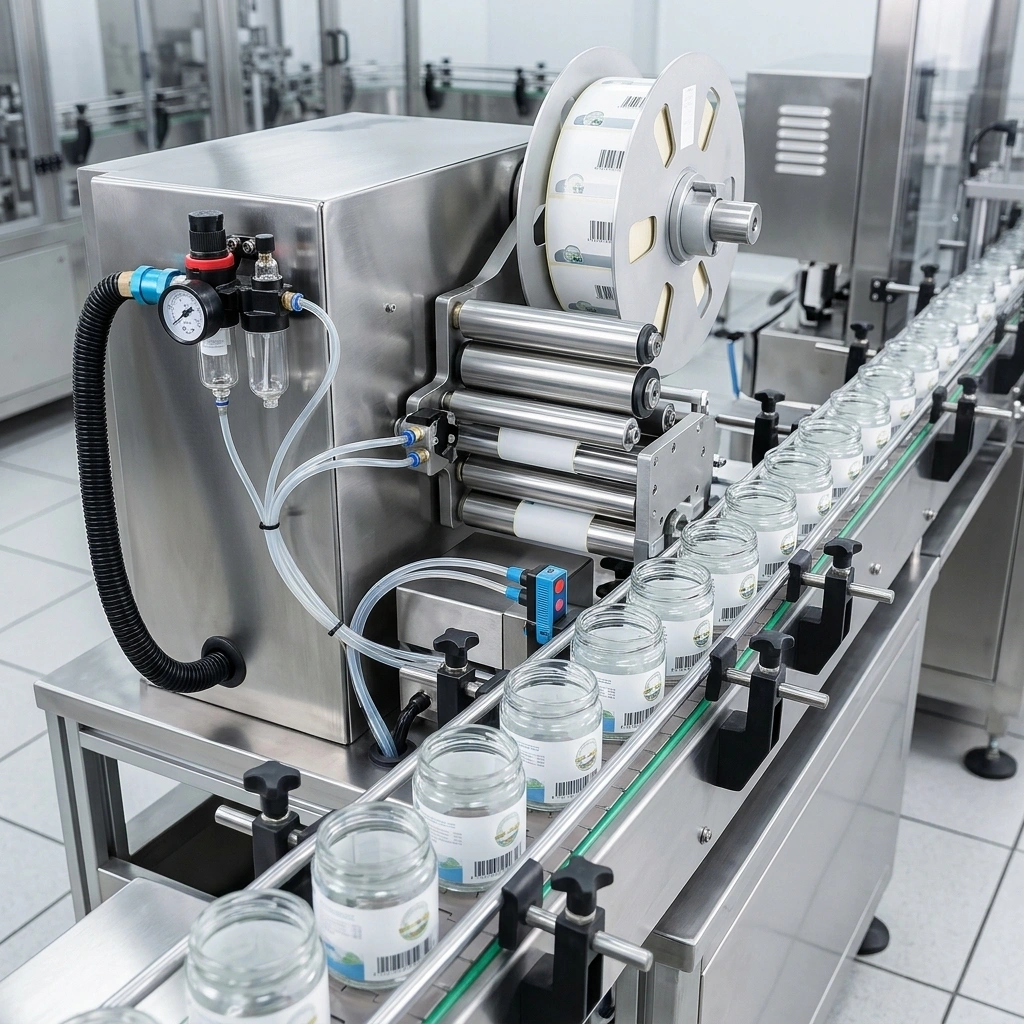
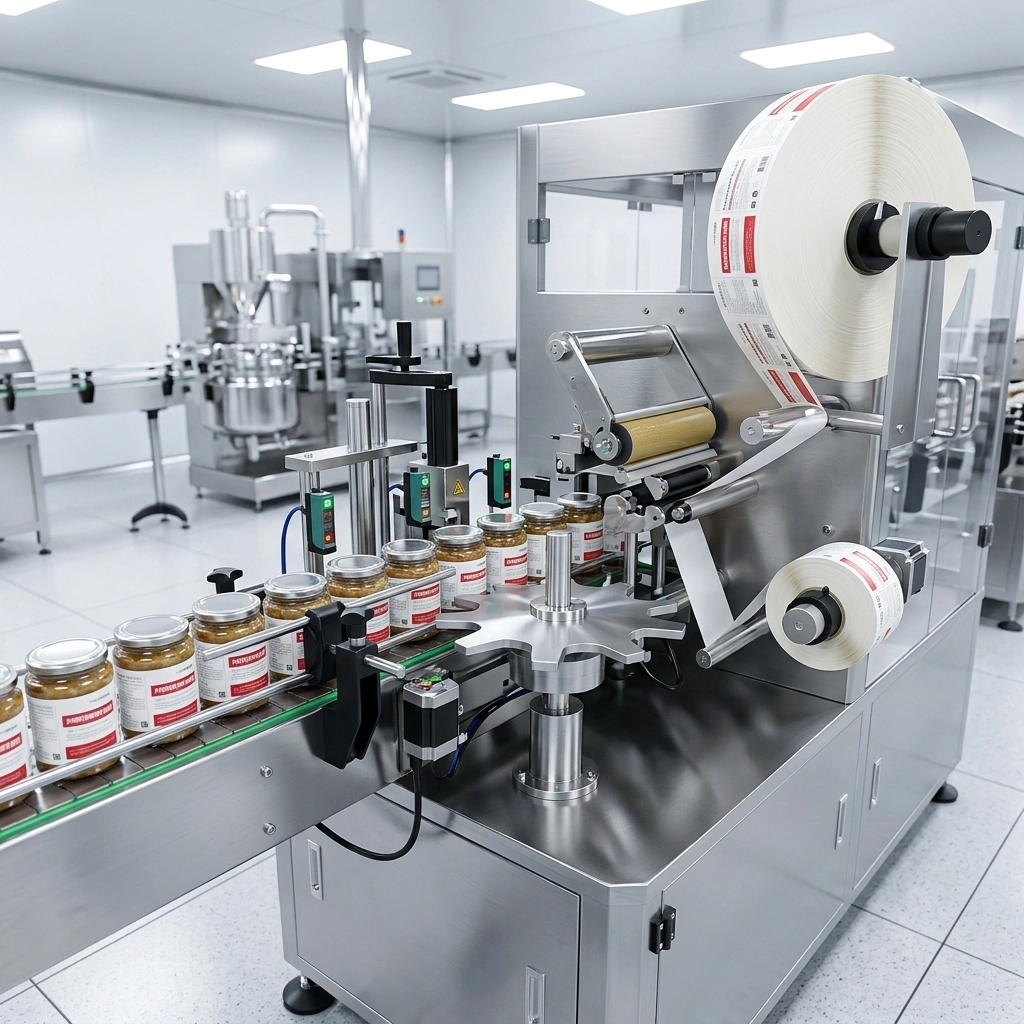
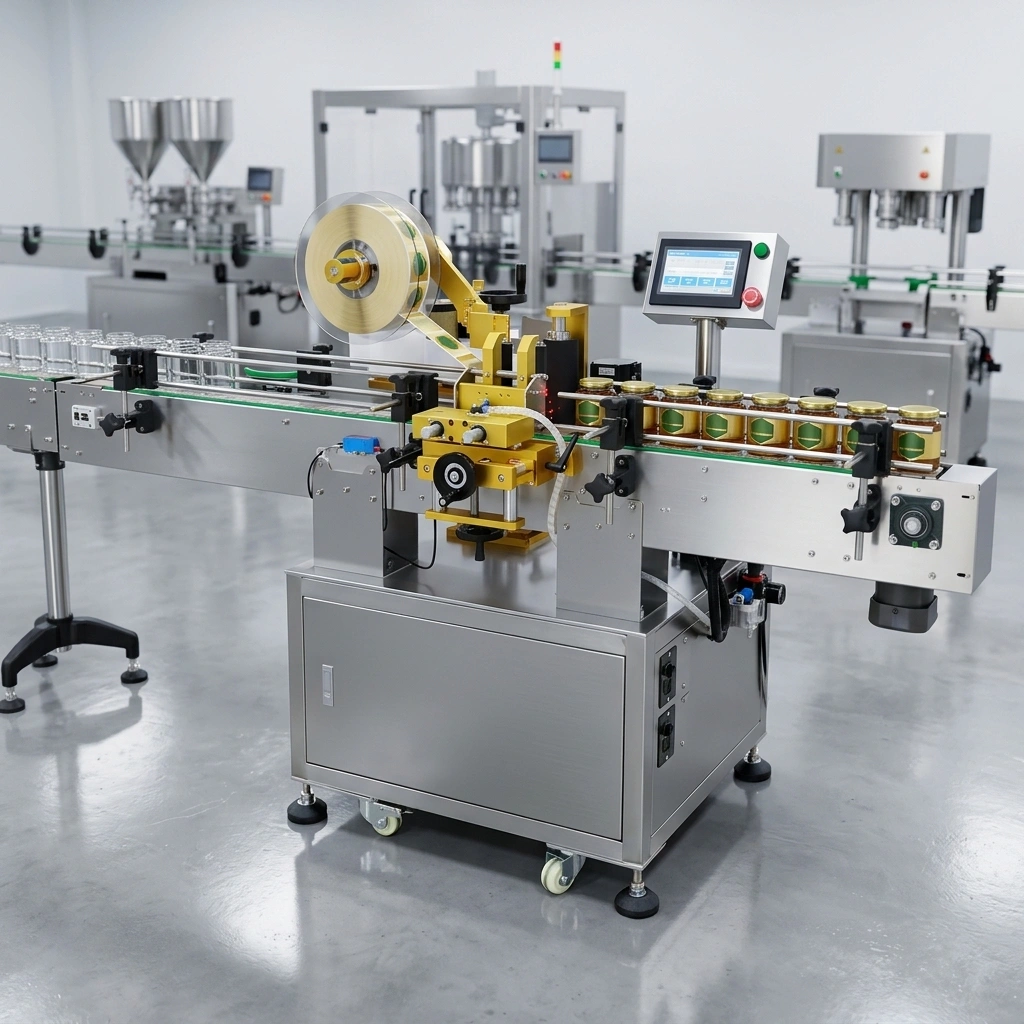
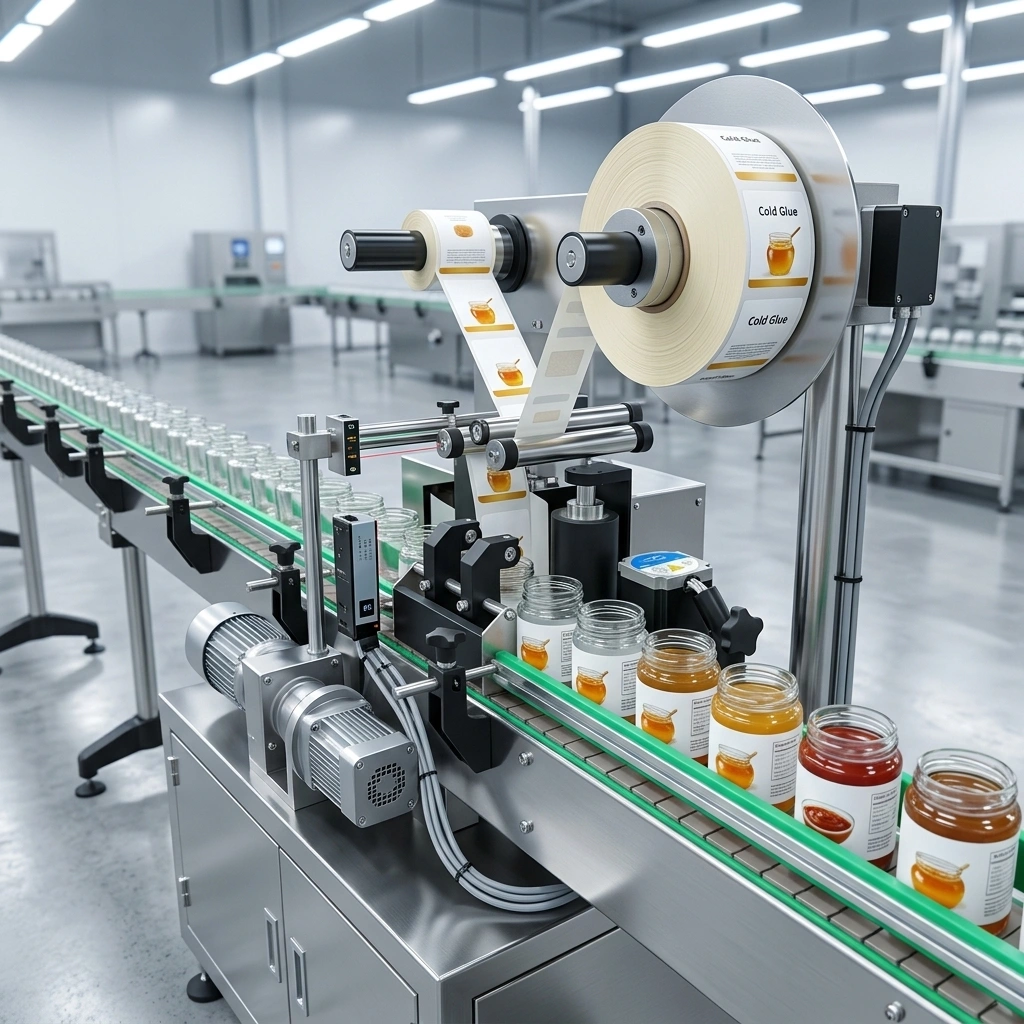
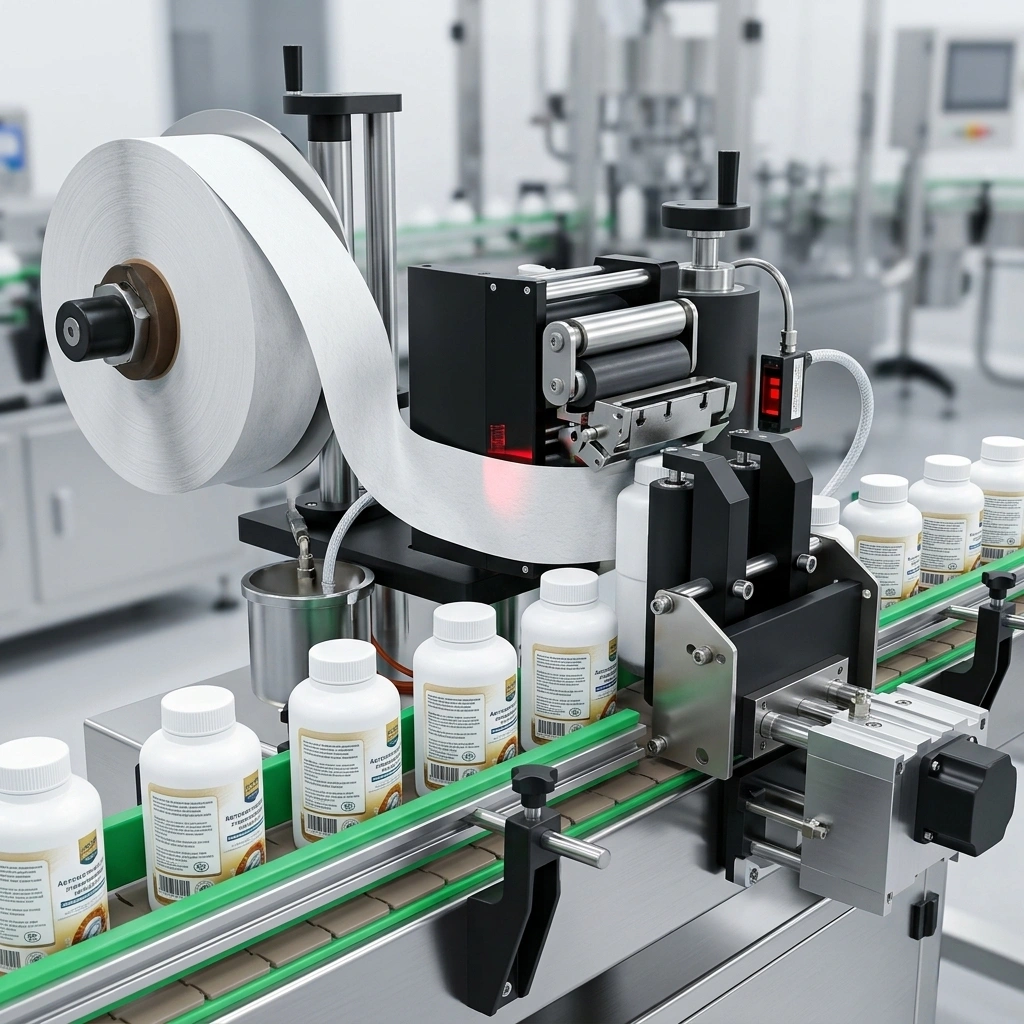
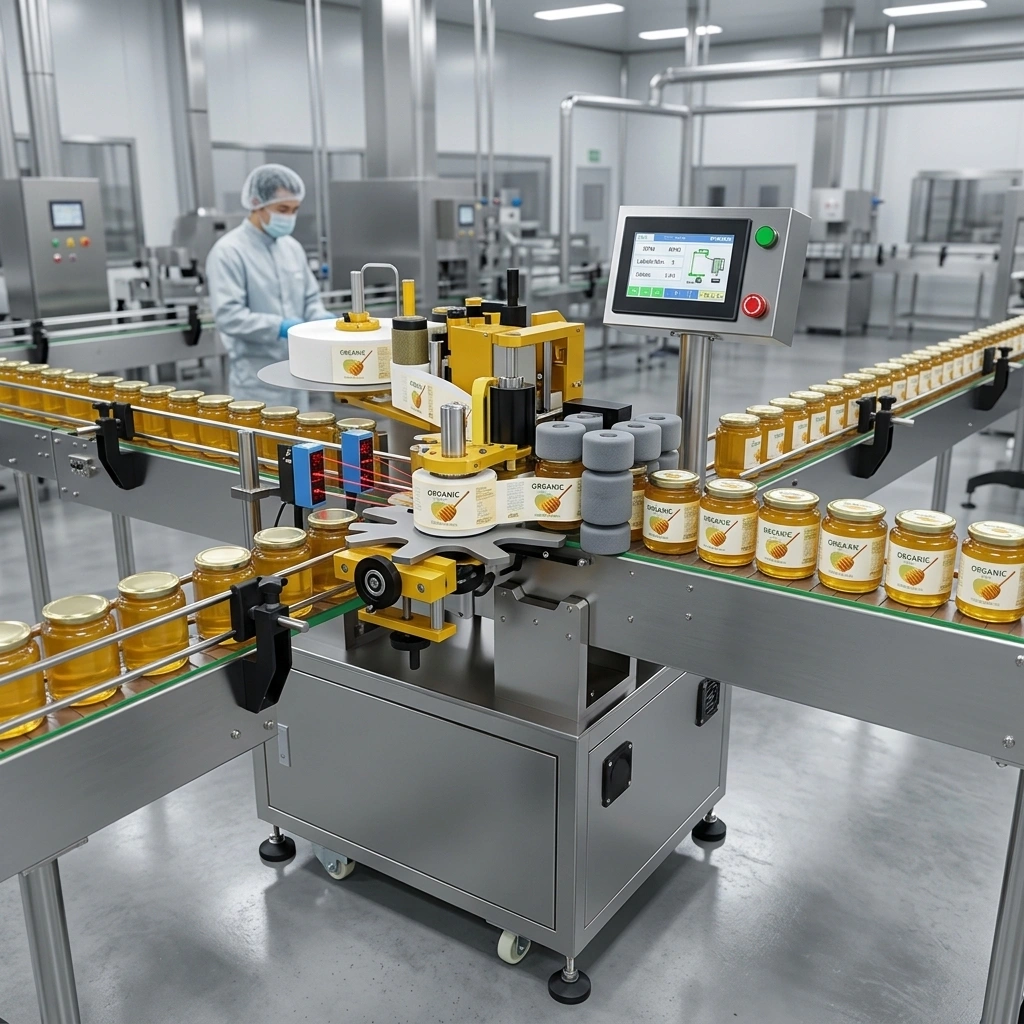
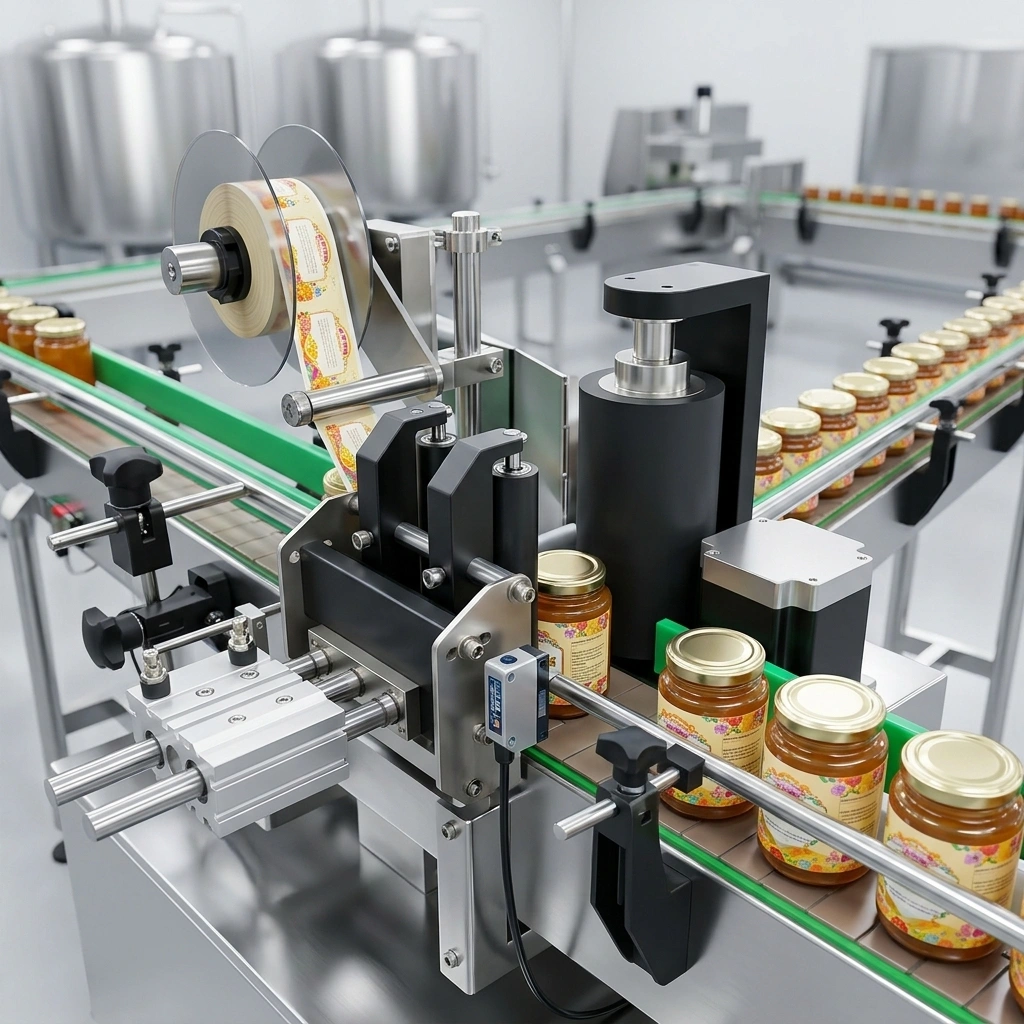
Skewed, bubbled, or peeling labels on tapered or wet jars destroy B2B brand presentation and retail appeal.
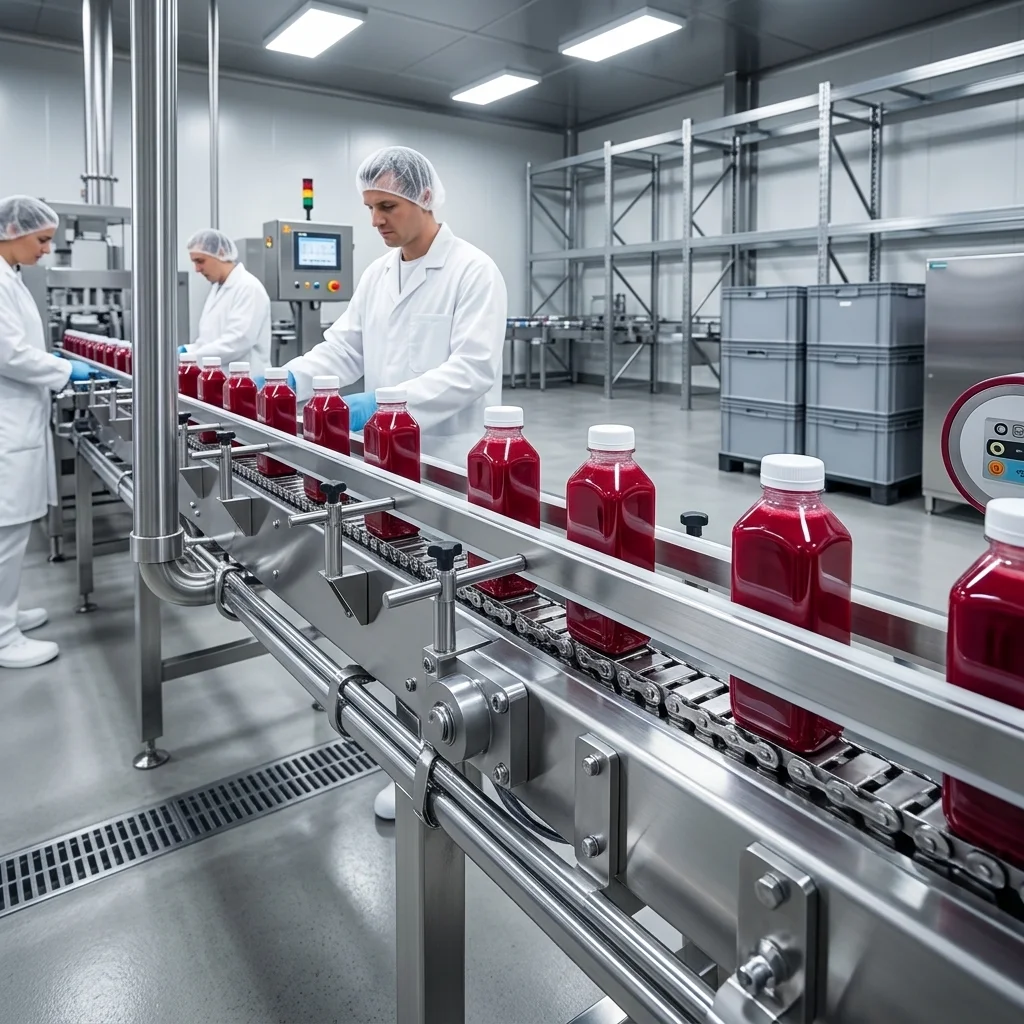
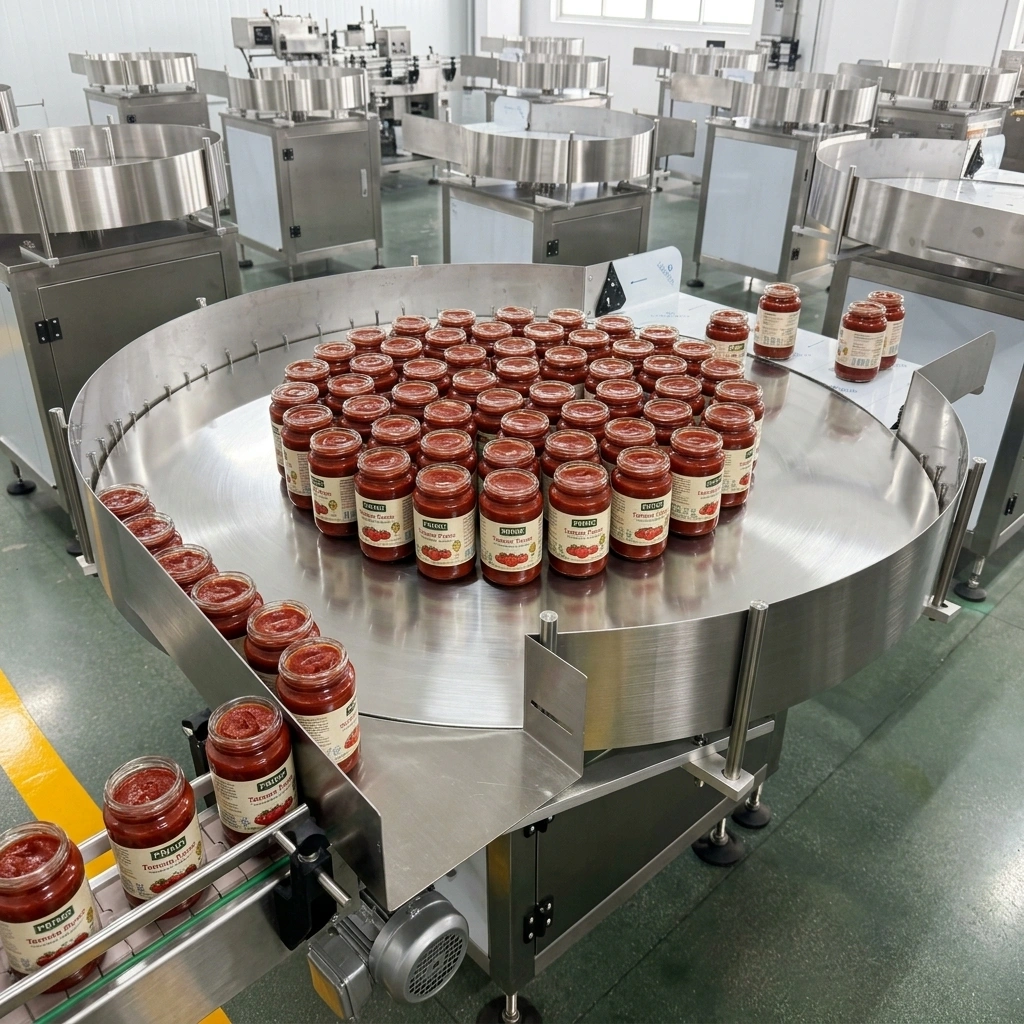
Downstream stops (e.g., label roll replacement) force the upstream filling machine to stop immediately, causing food to bake or settle in the hopper.
Share viscosity, filling temperature, container drawing, cap sample and target output. FPM will map the route before discussing machine models.
Submit line requirements